The best New Zealand road trips rarely start with a glossy brochure. They start in a car park, a backpack on the ground, and one practical question: is this van actually going to make life easier? If you’re looking at backpacker campervan hire options in NZ, that question matters more than the headline price.
For most travellers, the goal is simple. You want the freedom to move when the weather changes, stay longer when a place feels right, and keep costs under control without spending weeks cramped in a vehicle that sounded better online than it feels on the road. That is where the details start to count.
Why backpacker campervan hire NZ is not just about the cheapest rate
It is easy to compare daily prices and assume the lowest number wins. Sometimes it does. More often than not, cheap hire becomes expensive once you add bedding, cookware, late-night airport transfers, extra insurance, dependence on campgrounds, or fuel costs from driving a larger van than you really need.
For backpackers, couples and solo travellers, a small campervan often makes more sense than a big motorhome. It is easier to drive on narrow roads, easier to park in towns, and usually more fuel-efficient. That matters in New Zealand, where your trip may include steep hills, coastal roads, ferry connections and plenty of spontaneous stops.
There is also the comfort trade-off. A smaller van needs to be laid out properly. Good storage, a usable bed, ventilation, heating and a simple cooking setup will make a far bigger difference than flashy extras you barely use. A van can be compact without feeling inconvenient, but only if it’s designed by people who understand real road travel.
What to look for in backpacker campervan hire NZ
The smartest bookings usually come from travellers who ask a few practical questions before they commit.
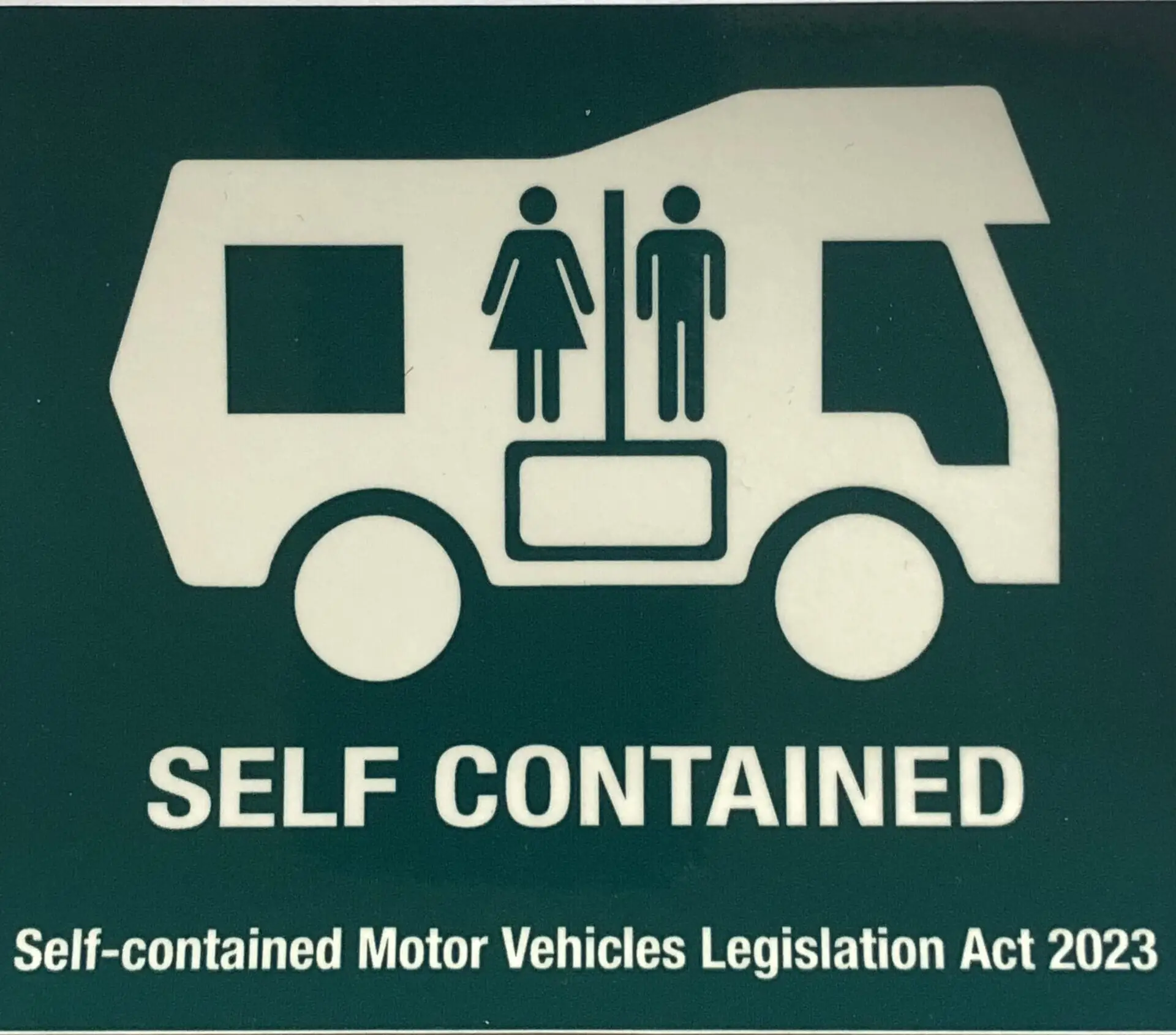
First, check whether the campervan is genuinely set up for self-contained travel. In New Zealand, that means more freedom and more options, especially if you do not want to rely on holiday parks every night. Solar power, dual batteries, a practical water setup and sensible storage all help you travel more independently.
Second, look at the bed and interior layout with a realistic eye. A van that looks tidy in photos can still be awkward if you have to rebuild the bed every night, crawl around bags on the floor, or cook in a space with no ventilation. Walkthrough interiors are especially useful because they make daily living easier when the weather turns bad.
Third, consider support. When you arrive in a new country, tired from a long flight and trying to get on the road quickly, personal pickup help and a proper handover can save a lot of stress. This is one area where smaller owner-led operators often stand out. You are more likely to get straightforward advice, a clear explanation of the vehicle, and help from someone who knows the roads and the vans properly.
Size matters more than most first-time renters expect
Many travellers imagine bigger equals better. On a long road trip, that is not always true.
A compact two-person campervan is often the sweet spot for backpacker travel in New Zealand. You still get a bed, cooking facilities, refrigeration and storage, but without the bulk that makes daily driving tiring. If you plan to visit busy towns, scenic lookouts, trailhead car parks, or smaller camping areas, a van based on a Toyota Hiace is usually much less hassle than a large motorhome.
There is a cost angle, too. Bigger vehicles can push up fuel spend and ferry costs, and they can limit where you feel comfortable driving. A smaller campervan tends to suit travellers who value flexibility over excess space. If you are mostly travelling as a pair and spending your days outdoors anyway, practical design beats square metres.
The hidden difference between a rental van and a travel-ready camper
Not every campervan on the market has been designed for extended trips. Some are basic conversions that work for a weekend but become frustrating after a week. Others are better thought out, with features that quietly make daily life smoother.
Heating is one of those features. New Zealand nights can be cold even outside winter, especially inland or in the South Island. Good insulation and safe heating make a real difference to sleep quality. The same goes for refrigeration that maintains proper temperature, charging systems that keep your devices powered, and seating that feels comfortable on longer drives.
Cleanliness and maintenance matter just as much. Older vehicles are not a problem if they are well-maintained. In fact, a carefully maintained camper can offer better value than a newer vehicle that has been treated like fleet stock. What matters is whether the van feels dependable, whether the equipment works as promised, and whether the operator clearly takes pride in presentation.
Price transparency saves headaches later
A fair rental price is not just about what appears on the first search page. It is about what you will actually pay when you collect the keys.
Before booking, check what is included in the daily rate. Ask about linen, kitchen gear, airport or station transfers, insurance options, bond requirements and any extra fees for additional drivers. It is also worth asking how the company handles roadside support and what happens if plans change.
Transparent pricing usually leads to a better overall rental experience. Operators who are clear from the start are often easier to deal with during the trip, too. That matters when you are on a schedule, crossing islands, or trying to line up your pickup after a flight.
Why local knowledge is worth having on your side
A campervan trip in New Zealand looks simple on a map, but the experience can vary widely by season, route, and travel style. Distances are often longer than they seem. Mountain roads can slow you down. Popular areas are booked out. The weather changes quickly.
That is why experienced local guidance is more useful than many travellers realise. A good rental operator can help you think through timing, suitable routes, and whether your plan is realistic for the days you have. They can also explain how to use the van properly so you get the most from its systems, rather than guessing your way through battery use, water management, or campsite decisions.
For travellers collecting in Auckland or Christchurch, that practical support at the start of the journey can shape the whole trip. A proper handover gives you confidence, especially if this is your first campervan holiday.
When a backpacker campervan is the right choice
Backpacker-style campervan travel works best for people who want mobility, value and a bit of independence. It suits couples on a New Zealand trip, solo travellers looking for a simple base, and long-stay visitors who would rather spend money on experiences than on fixed accommodation.
It may not be the best fit if you need lots of indoor space, are travelling with several people, or want the convenience of an indoor shower and toilet in a large motorhome. But for many travellers, that trade-off is worth it. You gain a vehicle that is easier to live with day-to-day and often a much lower total trip cost.
The sweet spot is usually travellers who want comfort without overcomplicating things. A proper bed, fridge, cooking gear, heating, storage and reliable power will cover what most people actually need.
Choosing with confidence
The strongest backpacker campervan hire NZ option is usually the one that feels honest, practical and well-supported, not the one with the loudest marketing. Look for a van that matches how you really travel. Think about road comfort, fuel use, sleeping setup, self-containment and what kind of help you will get if something goes wrong.
That is where smaller specialist operators can offer real value. A company like BANZ Travelcars, with decades of hands-on experience and a focus on compact, well-equipped campervans, tends to understand the little things that make a road trip easier. Those little things are often what travellers remember most.
A good campervan gives you freedom, but a well-chosen one also gives you peace of mind. And when you’re somewhere between a quiet lake, a mountain pass and the next small town, that combination is hard to beat.