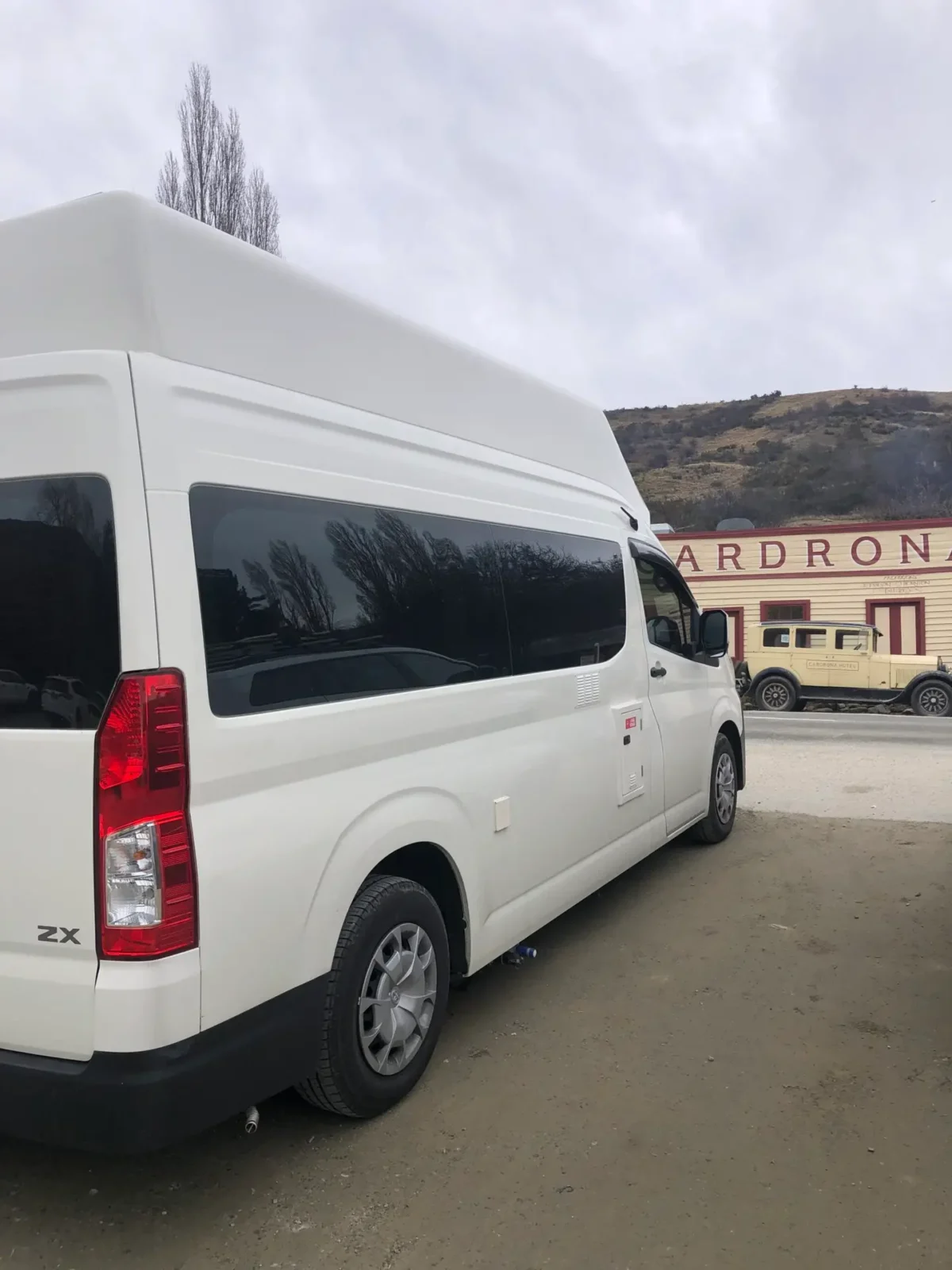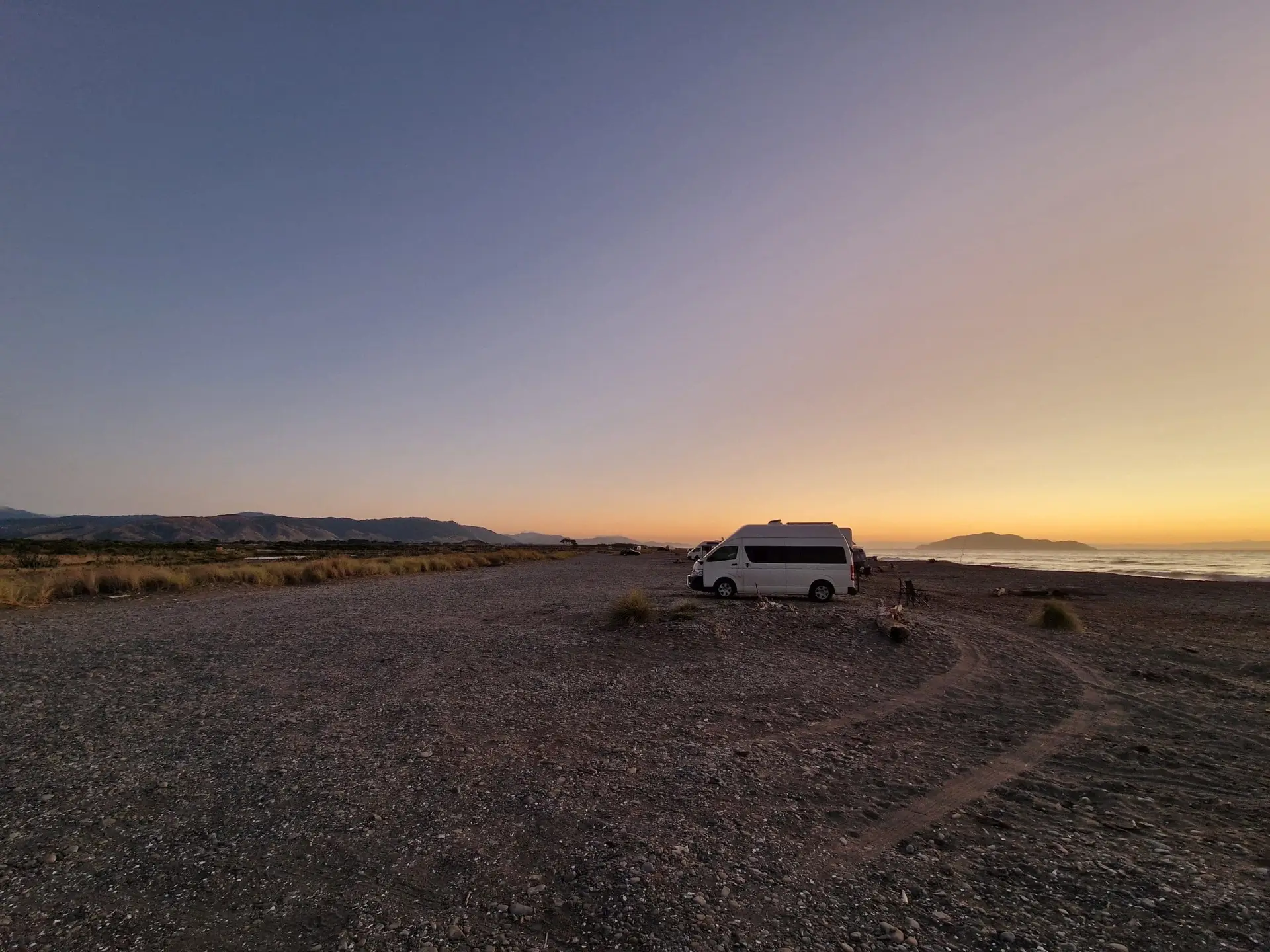
Parked beside a lake with the fridge still cold, your mobile charging and the lights on after sunset – that is usually what people mean when they search for solar powered campervan hire NZ. In other words, they are not chasing a gimmick. They want the freedom to stay longer in beautiful places. In addition, they want to rely less on powered sites. Furthermore, they want to travel in New Zealand without dragging a long list of compromises behind them.
That is exactly where solar can make a real difference. However, it helps to know what it does well. You should know where its limits lie and why the whole setup matters more than the word ‘solar’ on its own.
What solar powered campervan hire NZ actually gives you
Solar power in a campervan isn’t meant to run life as if you were plugged into a house. Instead, it is there to support the essentials that make road travel comfortable and practical. In a well-set-up campervan, the solar panel works with a dual battery system to keep your house battery topped up during the day. That battery then powers your low-draw systems. These include lighting, a fridge, a water pump, and device charging.
For many travellers, that is the sweet spot. You get more flexibility to freedom camp. Plus, you have fewer nights where you need a paid powered site. In addition, you have less worry about waking up to a flat battery because you charged a camera and left the lights on too long.
The key point is this: solar supports independence. However, the battery system, the van’s design, and your own travel habits all shape the real-world result.
Why solar matters more in New Zealand road trips
New Zealand is made for small campervan travel. The distances are manageable and the scenery changes quickly. Moreover, some of the best overnight stops are the ones where you want to linger rather than rush on to the next town. Solar suits suit that style of trip because they give you a bit more breathing room.
If you are travelling as a couple or solo, a compact campervan with solar often makes more sense than a larger motorhome. It is easier to drive on narrow roads, simpler to park in towns, and usually more economical on fuel. At the same time, you still want practical comforts. For example, a cold fridge, interior lighting, heating support and dependable charging are not luxuries on a multi-week trip. Instead, they are the difference between a holiday that feels relaxed and one that starts to feel like hard work.
That is why solar is especially useful in smaller New Zealand campervans. It helps these vehicles punch above their size without adding the bulk and cost of a much larger rental.
Solar is only as good as the rest of the setup
This is where plenty of travellers get caught out. A van can advertise solar, but if the battery capacity is poor, the fridge is inefficient, or the layout makes daily living awkward, the experience still falls short.
A better way to judge solar-powered campervan hire NZ is to look at the full package. You want a system designed for actual travel, not just a feature added for the brochure. A quality setup usually includes a solar panel matched to the battery system and a dual battery arrangement. Moreover, it includes sensible 12V appliances. In addition, it provides a layout that lets you live comfortably inside the van when the weather turns.
That last point matters in New Zealand. You might have bright sun in the morning and cold rain by late afternoon. On those days, an interior walkthrough, good ventilation, heating, and a usable indoor living space matter just as much as the solar panel on the roof.
What solar can and cannot power
Solar is excellent for the low-draw items that shape day-to-day comfort. It can help keep the fridge running, power LED lights, support USB charging, and back up the water system and other basic 12V equipment. In fact, for most independent travellers, that covers the essentials.
What it usually will not do is run high-draw appliances for long periods. Hair dryers, kettles, toasters and electric heaters are a different category. For example, if your idea of van life depends on household-style appliances every day, you will still need powered campgrounds or a very different class of vehicle.
That is not a flaw. It is simply the trade-off that makes compact campervans affordable, practical and easy to live with. Most travellers are happy with that once they understand what the van is built to do.
How to choose the right solar powered campervan hire NZ option
Start with the kind of trip you actually want, not the fanciest specification. If you are planning to move every day or two, a solar setup works well because regular driving also helps charge the battery. However, if you hope to stay parked in one remote place for several days, battery capacity and overall efficiency become more important.
Think about the season as well. Summer road trips usually make the most of solar because daylight hours are longer and the weather is more favourable. On the other hand, in cooler months, solar still helps. However, shorter days and cloud cover mean you need to be more realistic about your power use.
Vehicle size matters too. A smaller two-person campervan often gives the best balance for New Zealand conditions. It is easier to handle, fits into more places, and usually costs less to run. If the interior has been thoughtfully designed, you do not lose much in comfort. In fact, many couples prefer a compact van because it feels simpler and less cumbersome from day one.
It is also worth asking how the van is presented at handover. A proper walkthrough can save you a lot of frustration. For example, knowing how the battery system works, when to monitor charge levels, and how to use heating and appliances efficiently will make the whole trip smoother.
The practical benefits travellers notice first
The biggest benefit is not technical. It is peace of mind. When your campervan quietly handles the basics during the day, you spend less time planning around power. Furthermore, you spend more time enjoying where you are.
That shows up in small but important ways. You are not hunting for a powered site just because your mobile is low, nor are you throwing out food because the fridge struggled. In addition, you are less likely to feel tied to a strict route. Solar gives you options. Options are a big part of why people choose campervan travel in the first place.
For travellers hiring from a specialist operator rather than a large, impersonal fleet, there is often another advantage: the setup tends to reflect real road experience. At BANZ Travelcars, for example, the focus is on well-maintained, practical campervans built around how people actually travel in New Zealand. It is not just about how a rental listing reads.
A few trade-offs worth knowing
Solar power adds value, but it does not remove the need to travel sensibly. If you spend days parked in shade, use power heavily at night, or expect residential-level electricity in a compact van, you may still need to top up at a campground.
There is also a difference between being self-contained and being self-sufficient. A campervan can be set up for freedom camping while still requiring thoughtful use of water, battery power, and waste storage. Therefore, the best trips come from working with the vehicle. You should not expect it to behave like a hotel room on wheels.
That is why transparent advice matters. A good rental provider will tell you what the system can realistically handle, not just what sounds impressive.
Is solar powered campervan hire NZ worth it?
For most independent travellers, yes. If you want flexibility, reduced reliance on campgrounds, and a more comfortable off-grid experience, solar is one of the most worthwhile features to look for in a campervan. Furthermore, it supports the kind of travel New Zealand does especially well – scenic, unhurried and full of stops you did not plan until you saw the view.
Just remember that solar is not the whole story. The best hire choice is a van that combines solar with a dependable battery system, efficient appliances, smart interior design and clear support from people who know the roads and the realities of life in a campervan.
Choose that well, and your trip feels less like managing a vehicle. At the same time, it feels more like having a small, capable base for whatever part of New Zealand you want to wake up in next.
A good campervan should give you confidence, not chores. When solar is part of a well-thought-out setup, it quietly does exactly that.