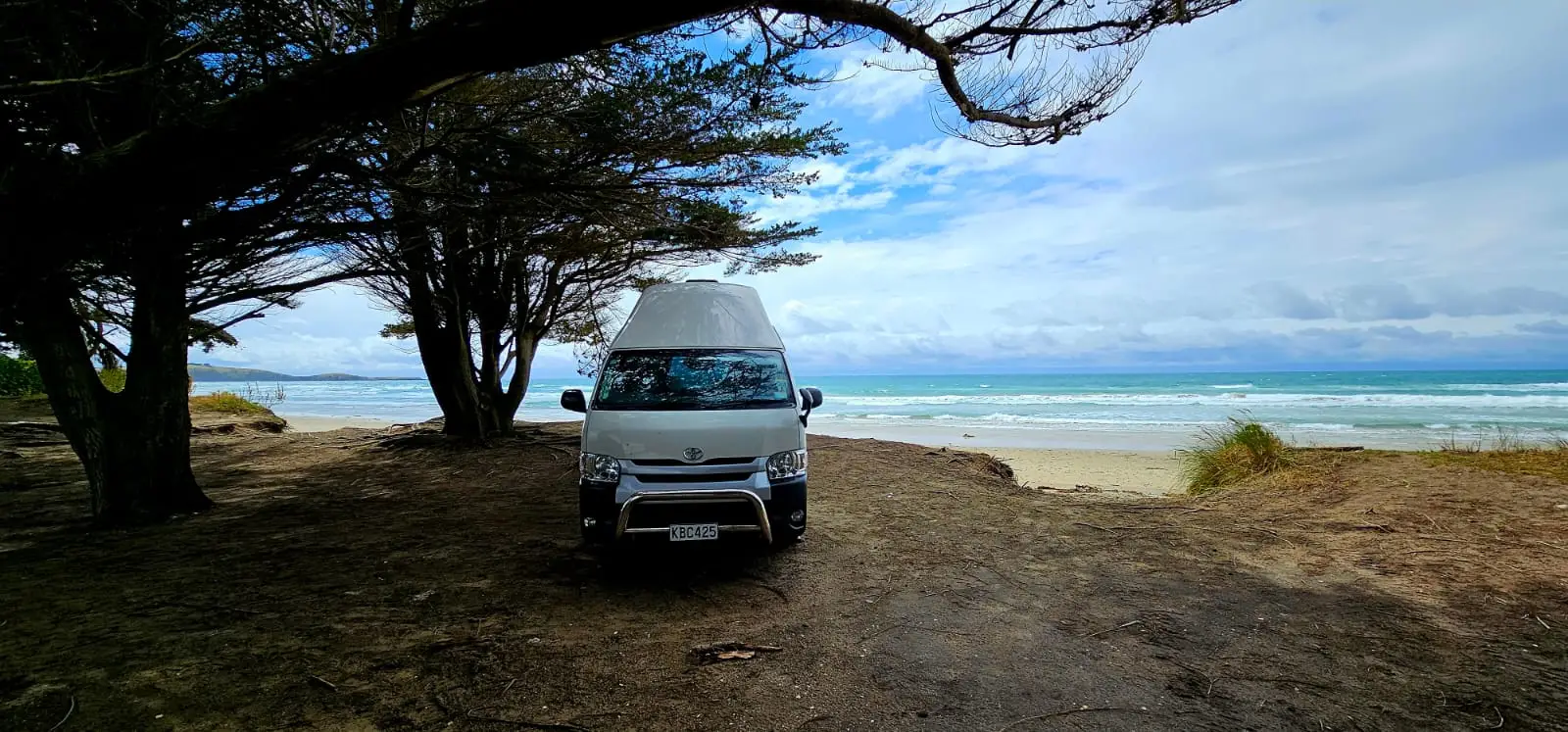
That first morning on the road in New Zealand usually tells you whether you chose the right van. If you can make a coffee without unpacking half your luggage, find a warm jumper without stepping outside, and head off without feeling like you’re driving a bus, you’ve probably made a good call. That is exactly why travellers looking for a self-contained campervan rental NZ option tend to focus on more than just price.
A self-contained campervan can give you far more freedom than a standard rental car and far less hassle than a large motorhome. But not every van offers the same experience. The details matter – how it drives, how it is laid out, how reliable the systems are, and whether the company behind it will actually help if something goes wrong.
What self contained campervan rental NZ really means
In practical terms, a self-contained campervan is set up so you can travel and stay comfortably without relying on holiday parks every night. That usually means having the essentials on board for sleeping, cooking, fresh water, wastewater storage, and a toilet arrangement that meets current requirements.
For travellers, the appeal is obvious. You get flexibility. You can keep your plans loose, stay closer to scenic spots, and avoid the rigid check-in, check-out rhythm that comes with hotels or fixed accommodation.
That said, self-containment is not a magic pass to park anywhere you like. New Zealand has local rules around freedom camping, and these vary by region. Some areas are welcoming, some are restrictive, and some only allow it in clearly designated places. A good rental company should explain the practical side properly. They should not just advertise the idea of freedom and leave you to figure out the rest.
Why smaller campervans often suit New Zealand better
Many visitors arrive assuming that bigger must mean better. More space sounds appealing when you are planning a long trip. In reality, New Zealand roads often reward a more compact vehicle.
Many scenic routes include narrow sections, winding hills, small-town car parks, and busy lookout areas where manoeuvrability is essential. A well-designed two-person campervan gives you the essentials without the hassle of handling an oversized vehicle. You feel more confident on unfamiliar roads, parking is easier, and fuel use is usually more manageable.
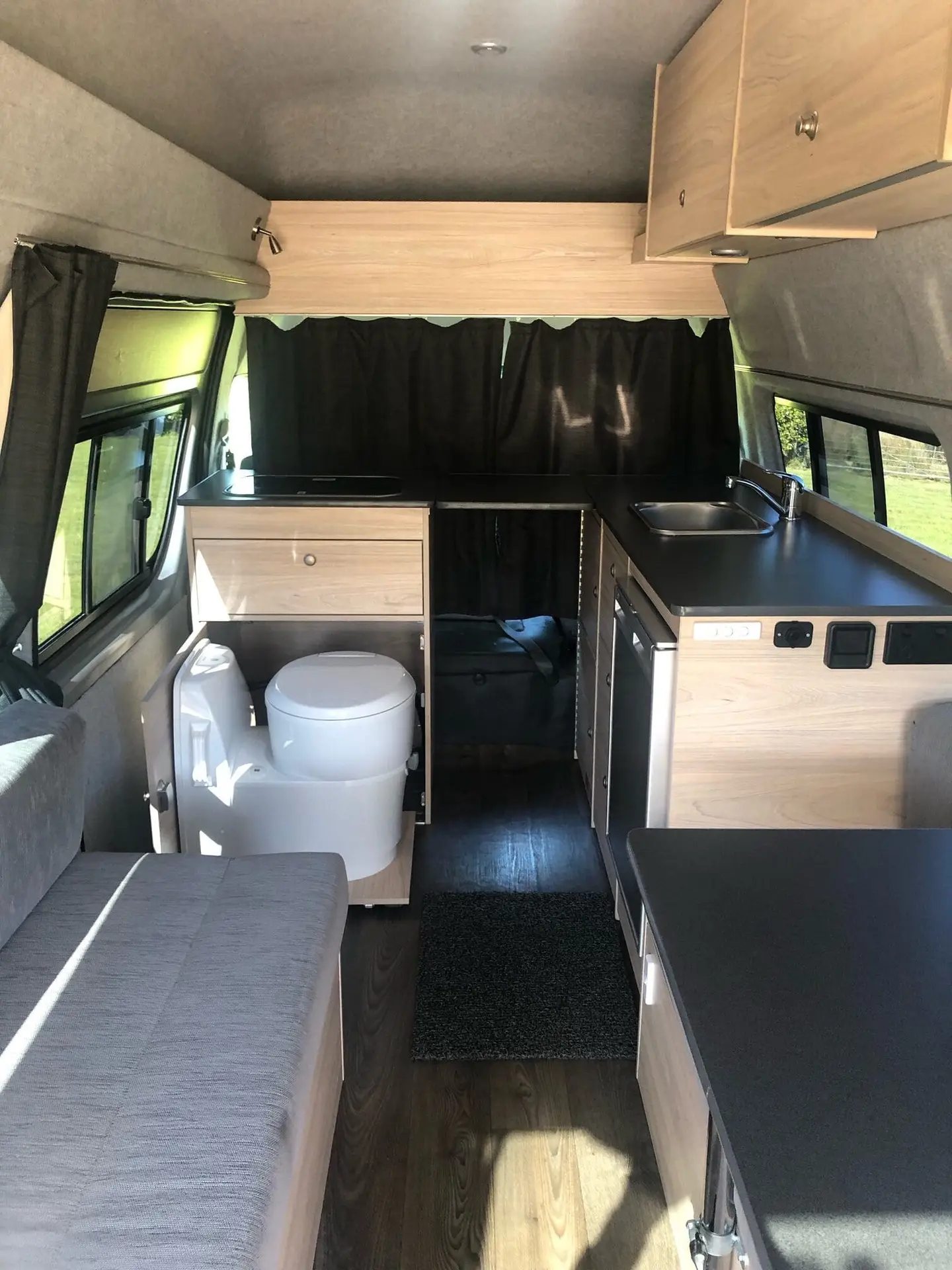
There is a trade-off, of course. A smaller van calls for smarter packing and a layout that makes the most of every centimetre. If the conversion is poorly thought through, compact quickly becomes cramped. But if the van has a practical interior, walkthrough or crawl-through access, useful storage, and a bed setup that doesn’t turn into a nightly wrestling match, a small campervan can be the sweet spot for couples and solo travellers.
What to look for in a self-contained van
The best self-contained campervan rental in NZ is rarely the one with the longest list of features. It is the one where the features actually work well together.
Heating matters more than many first-time visitors expect. Even in warmer months, nights can turn cold, especially inland or further south. A van with proper heating makes early starts and off-season travel far more comfortable.
Power matters too. Solar support and a dual-battery system can make a real difference when you are away from powered sites. You do not want to be rationing light, charging, or fridge use every second day.
Then there is the layout. This is where experience shows. Can you move easily from the cab to the living area? Is the bed genuinely comfortable for two adults? Is there enough room to prepare a simple meal without balancing everything on your knees? Can you access your bags and clothes without unloading the van onto the grass?
It is also worth paying attention to seatbelts, safety equipment, ventilation, fridge size, and the condition of the fit-out. A clean, well-maintained older van can be a much better travel companion than a newer one that hasn’t been properly cared for.
Price matters, but value matters more
Most travellers start with a budget, and that makes sense. New Zealand road trips can add up quickly once you factor in rental costs, campsites, fuel, food, and ferries. But the cheapest daily rate is not always the most affordable option overall.
Hidden extras can turn a bargain into an expensive mistake. Insurance excess, equipment hire, bedding charges, late pickup fees, cleaning expectations, and one-way costs all affect the real total. So does reliability. Losing a day of travel because of a preventable vehicle issue can cost far more than the difference between two rental quotes.
Value usually comes from transparency. You want to know what is included, what support is available, and whether the van is genuinely set up for the kind of trip you are planning. A family-run operator with long experience and a hands-on approach can often offer better practical value than a big brand with a larger fleet and less personal service.
The service side is more important than many travellers realise
When you book a campervan, you are not just booking a vehicle. You are trusting someone with a big part of your trip.
That matters most at the edges of travel – when you arrive tired after a flight, when you are learning the systems for the first time, or when something unexpected happens on the road. Clear communication, a proper handover, and responsive support can make a huge difference to your confidence.
This is one reason many independent travellers prefer dealing with owner-led businesses. You are more likely to get practical advice based on real experience rather than a rushed checklist. If the company has spent years helping visitors travel New Zealand in compact vans, they usually know the questions you have before you ask them.
BANZ Travelcars has built its reputation around exactly that kind of service – straightforward help, well-prepared vans, and support that feels personal rather than scripted.
Who a self-contained campervan is best for
This style of travel suits people who want flexibility and are happy keeping things simple. Couples often find it ideal because they can cover a lot of ground without having to repeatedly pack and unpack. Solo travellers like the security of having everything with them and the ability to change plans day by day.
It is also a very good fit for longer stays. If you are in New Zealand for several weeks, a compact self-contained campervan can make the whole trip feel more relaxed. You spend less time checking in and out, and more time actually travelling.
Where it may not be the best choice is for travellers who want hotel-style space, private bathrooms with full standing room, or a fixed itinerary based around urban stays. If most of your trip is city-based, a campervan can become more of an inconvenience than a source of freedom.
A few smart questions to ask before you book
The right questions will tell you more than glossy photos ever will. Ask whether the van is certified self-contained under the current New Zealand rules. Ask what heating and power systems are installed and whether they are included in the base hire. Ask how the bed works, what storage is available, and whether the setup suits two adults for an extended trip rather than a weekend.
It is also sensible to ask about roadside assistance, airport or station pickup options, insurance terms, and the type of handover provided. If the answers are vague, that is usually a warning sign. A good operator should be able to explain the van and the rental process clearly. Travellers need certainty before they arrive.
Picking the right van for your route
The best self-contained campervan rental option in NZ depends partly on where and when you are travelling. If you are planning both islands, want to cover long distances, and expect to stop often for walks and viewpoints, a compact van is usually the easier choice. If you are travelling in shoulder season or winter, heating and insulation move much higher up the priority list.
If your route includes popular areas with limited parking, a vehicle that fits more easily into standard spaces can save a lot of frustration. If you are travelling for a month or more, practical storage and a comfortable daily living setup become just as important as the drive itself.
The best road trips are rarely about having the biggest vehicle or the fanciest extras. They are about having a van that feels easy, dependable, and ready for real travel. When that part is right, New Zealand opens up in a very different way – slower, simpler, and much more your own.