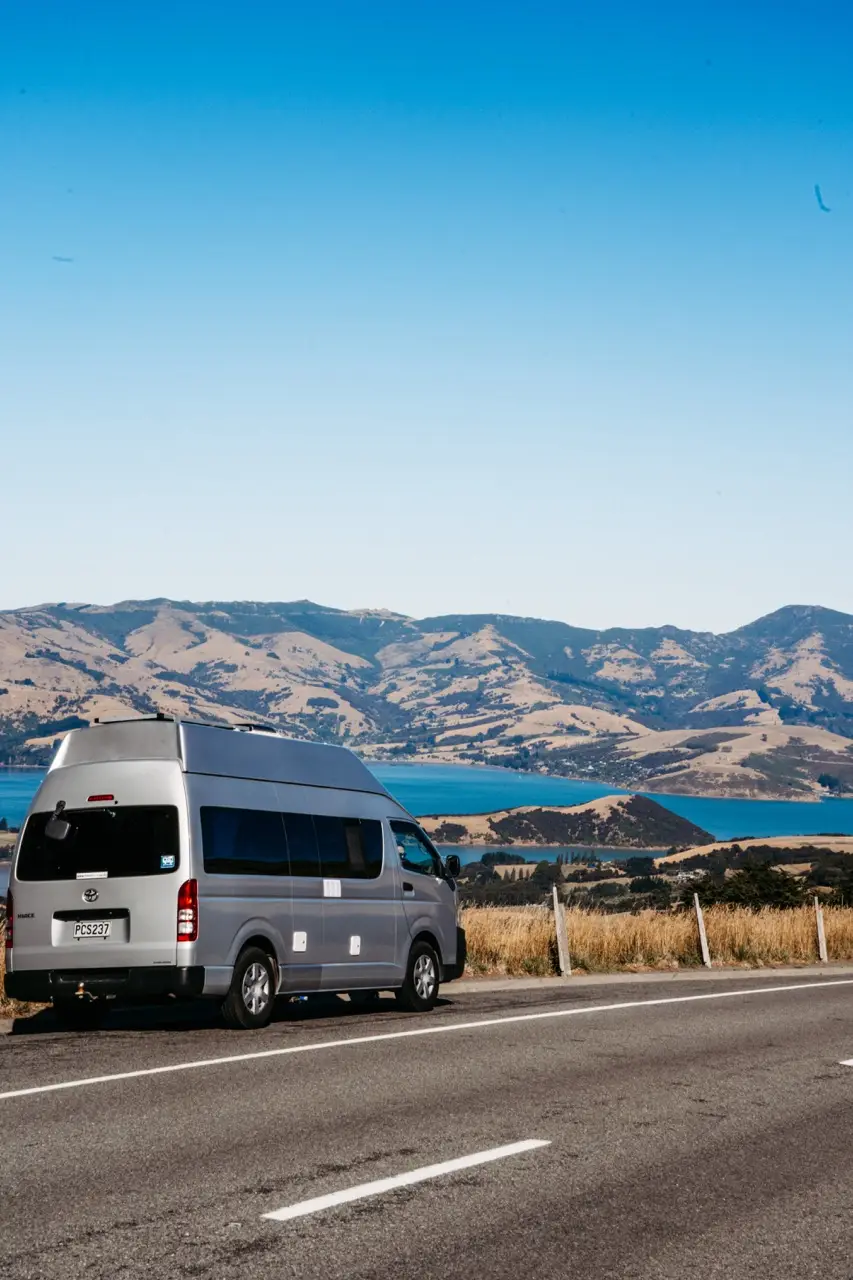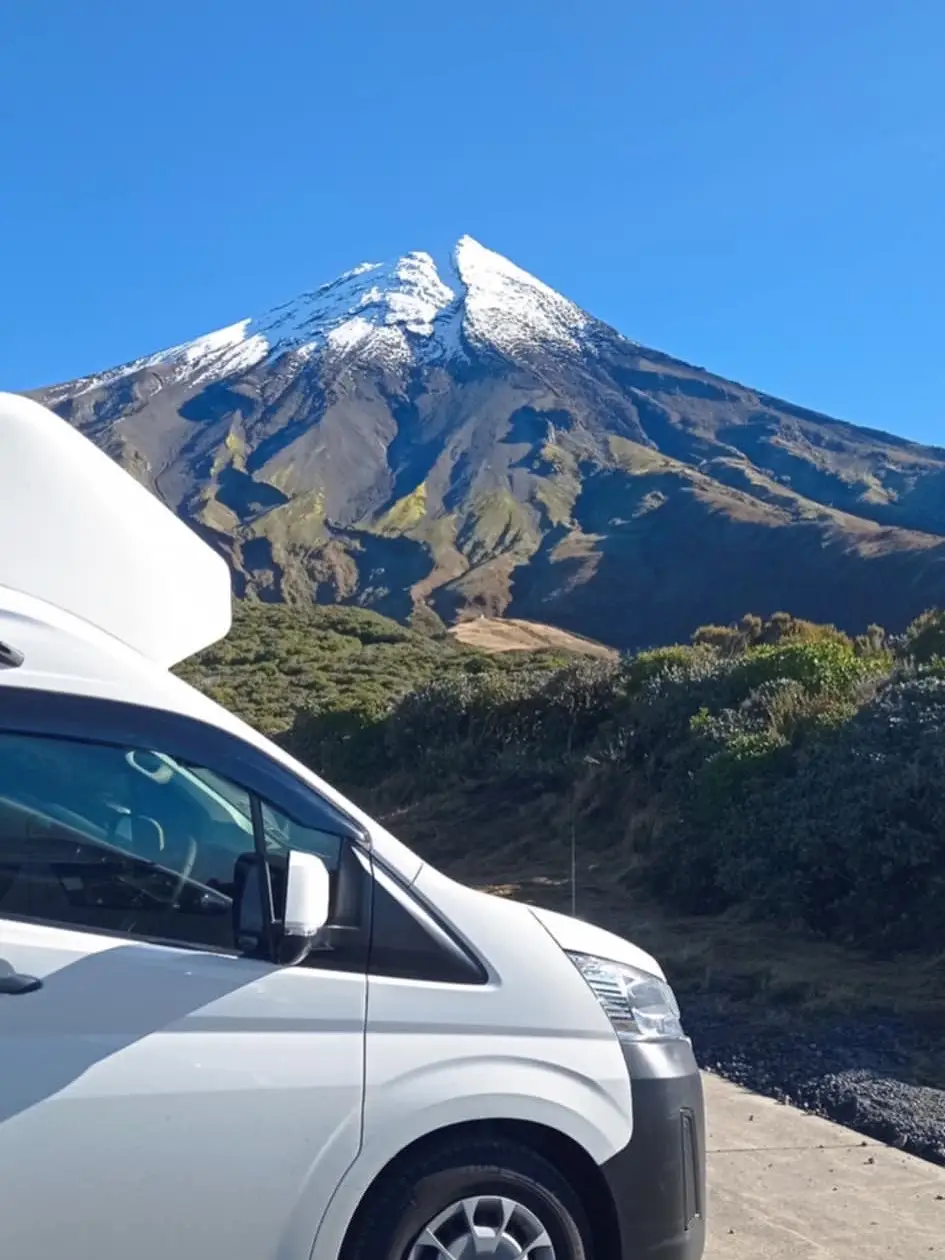
The best small campervans for couples are not always the flashiest ones in the rental yard. They are the vans that still feel comfortable on day five of rain, fit easily into a supermarket parking space, and let two people live without constantly being in each other’s way. For a New Zealand road trip, that balance matters more than showroom extras.
Couples usually start with the same question: should we go as small as possible to save money and make driving easier, or size up for comfort? The honest answer is that it depends on how you travel. If you like moving often, cooking simple meals, and spending most of your time outdoors, a compact campervan can be ideal. If one of you works remotely, carries a lot of gear, or needs full standing room, a space that’s too small quickly becomes frustrating.
What makes the best small campervans for couples?
For two people, a good small campervan has to do several jobs at once. It needs to drive like a normal van, sleep comfortably, store luggage sensibly, and include enough onboard equipment to support a flexible itinerary. On New Zealand roads, where you may go from city traffic to winding mountain passes in a single day, easy handling is a real advantage.
The best setups usually share a few traits. A reliable base vehicle matters, and Toyota Hiace conversions have earned a strong reputation for exactly that reason. They are practical, proven, and easier to live with than bulkier motorhomes. Inside, the layout matters even more than the overall vehicle length. A van can look compact from the outside but still feel workable if the bed setup is smart, storage is properly tucked away, and you can move from the front seats into the living area without stepping outside.
There is also the question of self-sufficiency. For many couples, solar power, a dual battery system, a fridge, heating, and practical water storage make a bigger difference than luxury finishes. Those features support the kind of travel people actually come to New Zealand for – long scenic drives, remote beaches, quiet DOC campgrounds, and the freedom to change plans without needing a powered site every night.
8 best small campervans for couples
1. Toyota Hiace two-berth conversion
For many couples, this is the sweet spot. A well-designed Hiace gives you enough space to sleep properly, cook simple meals, and store your bags, without crossing into the territory of a large motorhome. It is easier to park, easier to drive, and usually more affordable to rent and fuel.
This type of van suits travellers who want freedom and practicality over extra bulk. It is especially good for longer trips where reliability and efficient use of space matter more than having a full apartment on wheels.
2. Compact high-roof campervan
A high-roof model appeals to couples who want a small footprint but do not love crouching. The ability to stand up inside changes the feel of a trip, especially in bad weather. Getting dressed, making coffee, or sorting gear becomes less of a hassle.
The trade-off is that high-roof vans can feel a little larger on the road and may be more affected by wind. For some couples, that is worth it. For others, standard-height vans feel simpler and less intimidating.
3. walkthrough layout campervan
A walkthrough interior is one of those features that does not sound exciting until you live without it. Being able to move from the cab to the back without stepping outside is genuinely useful in the rain, in cold weather, or at late-night stops.
For couples, it also helps the space feel more connected and less cramped. If you are comparing small campervans, this layout is worth paying attention to because it improves everyday comfort far more than cosmetic upgrades do.
4. Fixed-bed small campervan
Some compact vans use a permanent bed rather than a daily seat-to-bed conversion. This works well for couples who hate packing everything away each evening. You can stop for the night and settle in quickly.
The downside is that fixed beds often reduce daytime seating or storage flexibility. If you are carrying backpacks, hiking gear, or extra food for longer stretches, that compromise may or may not work for you.
5. Convertible dinette campervan
This is one of the most common layouts in small two-berth vans. During the day, you have a place to sit and eat. At night, that area converts into a bed. It is a practical use of space and often the best fit for couples who want a balanced layout.
The key question is how easy the conversion is. A clever design takes only a minute or two. A frustrating one turns bedtime into a chore. When looking at options, this detail matters more than many first-time renters expect.
6. Solar-equipped off-grid small campervan
If your trip includes freedom camping or nights away from powered holiday parks, a compact van with solar and dual batteries is a much better choice than a bare-bones setup. It supports lighting, fridge use, device charging, and more independence in where you stay.
This does not mean you can ignore power use completely. But for couples who want flexibility, these features make a small campervan feel much more capable and comfortable.
7. Diesel compact campervan
For longer New Zealand itineraries, fuel economy deserves more attention than it usually gets. A small diesel campervan can be a sensible option for couples covering a significant distance between the North Island and the South Island.
Running costs are only part of the picture, of course. Condition, maintenance, and overall vehicle quality matter just as much. A cheaper van is not a better value if it feels tired, noisy, or unreliable halfway through the trip.
8. Professionally converted rental campervan
Not all campervans are equal, even when they look similar in photos. A professionally built conversion with thoughtful storage, safe fittings, heating, clean upholstery, and well-maintained systems is often the best choice for couples who want peace of mind.
That is particularly true in New Zealand, where weather and road conditions can change quickly. A dependable, owner-supported setup usually offers a better trip than a larger van with more gadgets but less care.
How to choose the right small campervan as a couple
Start with your travel style, not the brochure. If you are planning a fast-moving trip with short stays and lots of sightseeing, go smaller. A compact van saves stress on narrow roads, in towns, and at fuel stops. If your trip is slower, more domestic in style, and centred around cooking and lingering in one place, interior comfort matters more.
Then think honestly about how you share space. Some couples travel easily in a compact setup. Others need more breathing room. If one person rises early and the other sleeps late, bed layout and seating options become more important. If you are both carrying large suitcases instead of soft bags, storage can become an issue very quickly.
The weather should also shape your choice. New Zealand can give you four seasons in a day, especially in the South Island. Heating, insulation, and the ability to sit comfortably inside matter more than people expect when they first picture a summer road trip.
Best small campervans for couples in New Zealand
New Zealand is one of the best places to rent a small campervan as a couple because the roads, distances, and travel style suit compact vehicles well. You get the freedom to move between major sights and lesser-known spots without wrestling with a huge motorhome.
That said, not every rental setup is equally suited to local conditions. A good New Zealand campervan should be easy to drive on a range of road types, practical in wet weather, and equipped for independent travel. Features like heating, good ventilation, solar support, a usable fridge, and a reliable service backup are not luxuries here. They are part of what makes the trip smooth.
This is where experience from a specialist operator can make a real difference. Companies that focus on smaller, two-person vans tend to understand the details couples care about most: storage that actually works, layouts designed for real travel, and straightforward support when you are far from the depot. BANZ Travelcars is one example of that more personal approach, especially for travellers who want a well-maintained Toyota Hiace-based campervan rather than a one-size-fits-all fleet experience.
A few mistakes couples make when choosing a van
The most common mistake is choosing based on price alone. Budget matters, of course, but a very cheap van can end up costing you in comfort, fuel, or frustration. Another common mistake is overestimating how much space you need, then booking a larger vehicle that feels harder to drive and less flexible than expected.
The opposite happens too. Some couples go as small as possible without checking bed dimensions, storage access, or whether the interior setup will still work on a rainy day. A van that is fine for sleeping is not automatically fine for living.
Photos can also be misleading. Wide-angle shots make everything look generous. Focus instead on practical questions: Where do the bags go? Can you access essentials without unpacking? Is the bed easy to set up? Can you move around when both of you are inside?
A good couple’s campervan should feel simple, capable, and easy to trust. If it gives you the confidence to turn off the main road, stay longer where you like, and travel without overthinking every stop, you have probably found the right one.