If you’re wondering what size campervan you need, the real question is how much space you need to make your trip comfortable without making driving, parking, or budgeting more difficult. In New Zealand, this balance is more important than many travellers expect. Roads are often narrow, campsites can be small, and some of the best stops are the ones you discover unexpectedly.
A bigger campervan can seem tempting when you’re booking from home. More space, more storage, more comfort. But when you’re driving along a coastal road, parking at a supermarket, or backing into a tight camping spot after a long day, that extra size can feel less appealing. For many solo travellers and couples, the best campervan isn’t the largest they can afford. It’s the one that offers enough comfort to live well while still being easy to drive and use every day.
What size campervan do I need for New Zealand?
For most solo travellers or pairs, a small to medium campervan is ideal. You’ll have a real bed, cooking facilities, space for your luggage and gear, and enough room to relax inside when the weather isn’t great, all without feeling like you’re driving a bus.
This is important in New Zealand because your days often include more than just driving between campsites. You might stop for a walk, visit a small town for supplies, park by a beach, or take a back road to a quiet scenic spot. If your van is too big, it can limit your freedom. If it’s too small, it can become tiring after a week or two.
The right size depends on five things: how many people are travelling, how long you’ll be on the road, how much luggage you have, how comfortable you are with compact living, and whether you’ll stay in powered campgrounds or rely on self-contained travel.
Start with people, not floorplan
The first decision seems simple, but many people overlook it. Instead of asking how many people can technically sleep in the van, ask how many can actually live in it comfortably.
If you’re travelling alone, a compact campervan is often the best choice. It’s easier to drive, simpler to park, and uses less fuel, while still giving you space to sleep, cook, and store your things. If you’re on the road for several weeks, having a bit more space in a well-designed two-person van can be worth it, even if you’re solo.
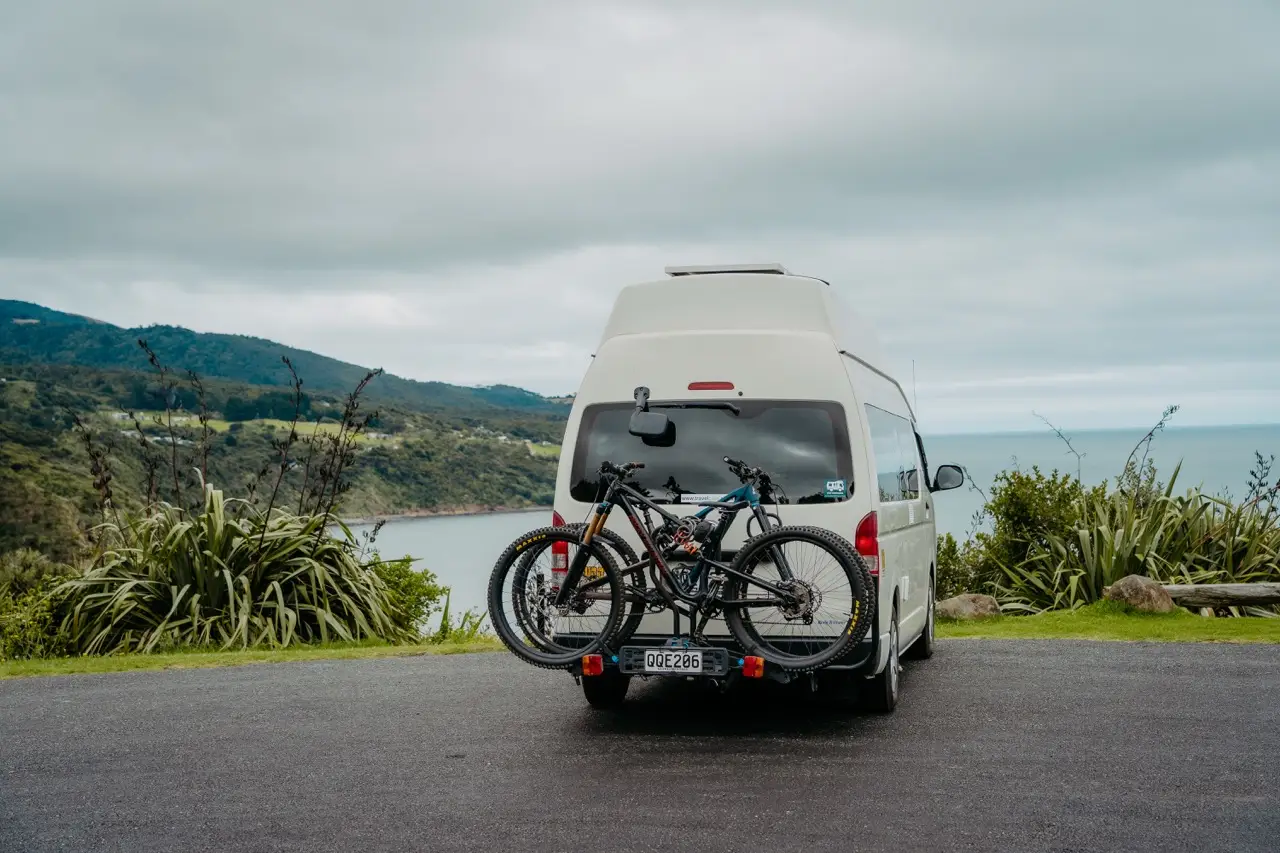
For couples, the layout is more important than the overall size. A well-designed two-berth van with walkthrough access, good storage, and space to sit inside can feel much better than a bigger van with a poor layout. This is where experienced conversions stand out. For example, a Toyota Hiace-based campervan can be very comfortable to live in and still easy to drive.
If you’re travelling with three or more people, you’ll need to think more about compromise. More people mean more bags, more food, more wet jackets, and less patience for rearranging things every night. What feels cozy on day two can feel crowded by day ten if everyone is sharing a small van.
Think about trip length honestly
Planning for a weekend can lead to poor choices for longer trips. A van that feels fine for three nights might feel cramped on a three-week journey.
If you’re renting for less than a week, a smaller van is usually fine since you’ll spend most of your time outside. For trips of two weeks or more, especially with changing weather, comfort matters more. You’ll want enough space to store food, keep your clothes organised, and relax indoors without getting in each other’s way.
This is why smaller campervans can work so well for independent travel in New Zealand when they’re well designed. You don’t always need a bigger vehicle—you need better usability. Good storage, a decent fridge, reliable power, heating, and a practical bed setup often matter more than having extra length.
Comfort is not just about bed size
When most people think about campervan comfort, they focus on sleeping. That’s important, but daily comfort includes much more.
Consider whether you want to stand up inside your van. Some travellers really value this, especially on longer trips. Others are fine with a compact van as long as the bed is comfortable, the seating works, and it’s easy to move around. There’s no single right answer.
Think about your daily routine too. Will you cook most days? Do you bring hiking gear, camera equipment, or big suitcases? Are you okay with turning the dining area into a bed each night, or would you prefer a permanent bed? These answers will help you decide on the right size, not just choose between small and large.
A compact campervan can feel roomy if the layout matches your travel habits. Features like large windows, smart storage, usable bench space, and easy access between the cab and living area all help. On the other hand, a larger van can still feel awkward if it’s not well designed.
Driving confidence matters more than many people admit
Some travellers are comfortable driving larger vehicles, but many are not—especially if they’ve just arrived after a long flight or are new to driving on New Zealand roads.
If you’re unsure about driving a bigger vehicle, trust that feeling. Your campervan should give you freedom, not stress every time you stop for fuel or drive on a narrow road. Smaller vans are usually easier to drive, easier to park, and less tiring on long trips. That can make your whole journey better.
This is especially true if your trip includes cities, scenic backroads, and small towns. A manageable van makes spontaneity easier. You’ll be more likely to stop at a lookout, pick up groceries when you want, or take a quieter route just because it looks interesting.
What size campervan do I need if I want to freedom camp?
If you plan to freedom camp, size still matters, but not in the way most people think. Bigger isn’t always better. What’s more important is whether your van is well-equipped and self-contained for the kind of travel you want.
A smaller self-contained campervan can be a practical choice in New Zealand. It’s often easier to park, less intrusive in tight spaces, and more efficient to run. If it has essentials like solar panels, dual batteries, fresh water, good cooking facilities, and a smart layout, it can give you the independence you want without the size of a large motorhome.
The main thing is to check the van’s features, not just its size. A well-equipped compact van can make your trip much more flexible than a bigger vehicle with poor storage, weak power, or limited usability.
Budget is part of the size question
Larger campervans usually cost more to rent, use more fuel, and can be more expensive to run day-to-day. That extra cost might be worth it if you really need the space. But if you’re choosing a bigger van just because it seems safer, it’s worth reconsidering.
A smaller campervan often gives you better value because you’re paying for features you’ll actually use, not just extra space. For many couples, this means you can travel longer, stay flexible, and keep your trip costs under control.
Value also comes from reliability and good support. A well-maintained smaller campervan from an experienced company will usually serve you better than a bigger, more complicated vehicle that feels worn out. That’s why many travellers choose a specialist like BANZ Travelcars rather than just picking the largest fleet.
A simple way to choose the right size
If you’re still unsure, focus on your travel style.
If you want easy driving, low costs and you’re travelling light, choose a compact van. If you’re a couple on a longer trip and want a balance of comfort, storage, and mobility, a well-designed two-person campervan is often the best option. If you need more space for extra people or know you’ll struggle with tight quarters, a larger van might be the right choice.
The best choice usually isn’t the one with the most space. It’s the one that helps you settle into the rhythm of the road quickly and comfortably.
A campervan should feel like a helpful base, not something that’s hard to manage. When you pick the right size, everyday tasks get easier—like cooking breakfast, packing up in the rain, parking near a trail, or deciding to stay another night because the view is just too good. That’s when you know you made the right choice.