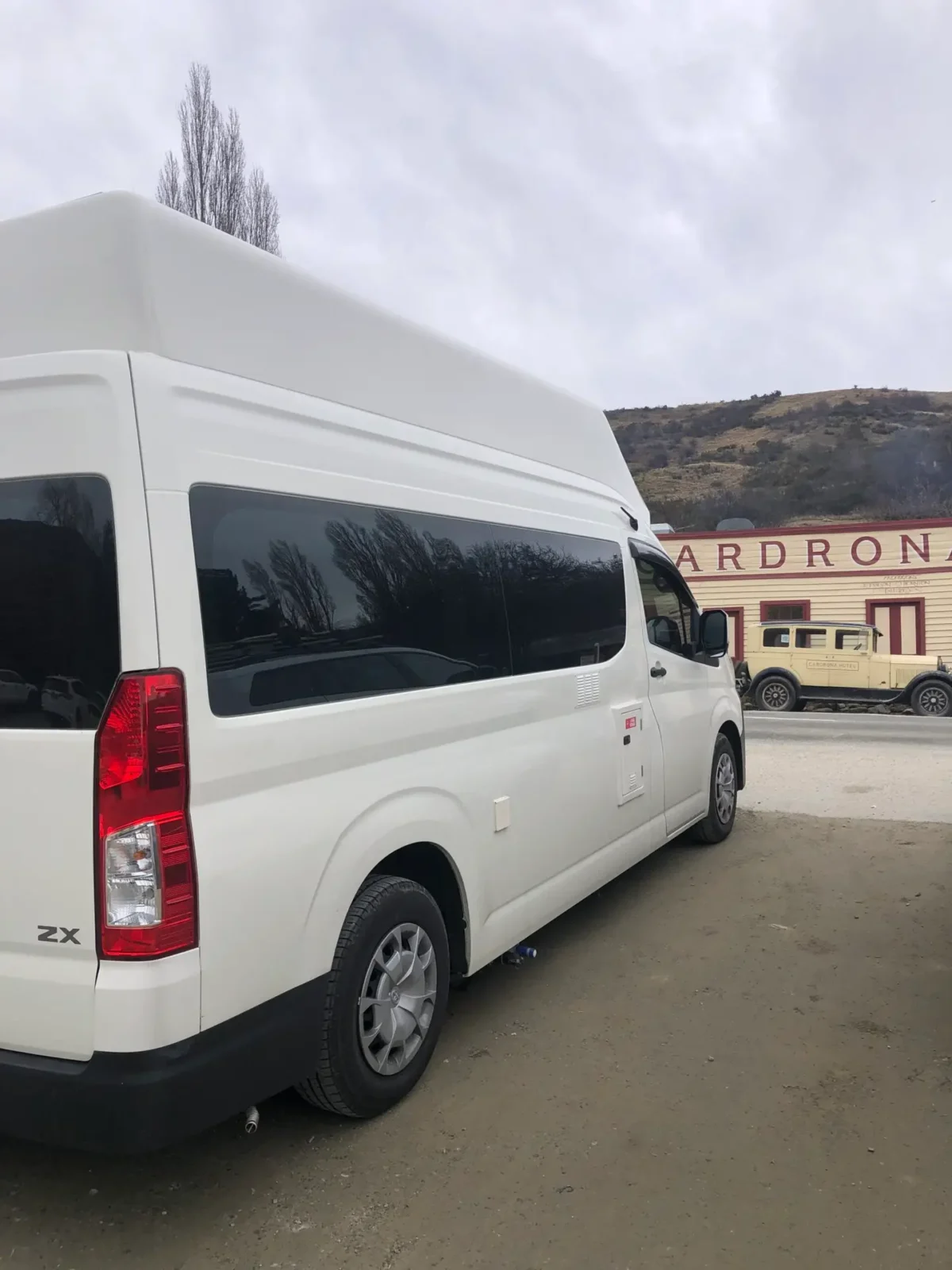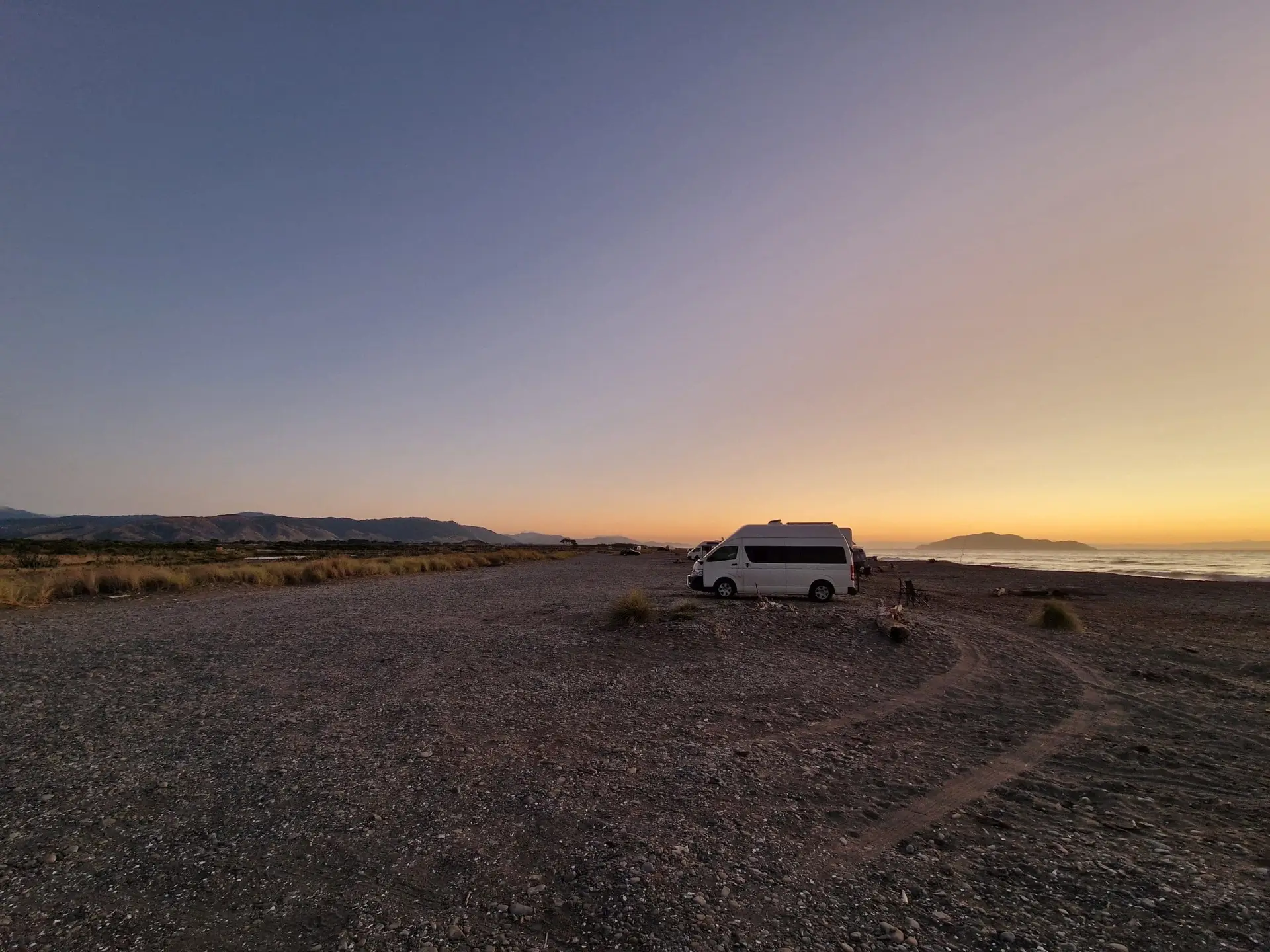
In most cases, yes. New Zealand is a seasonal travel market, and campervan availability can tighten quickly as popular dates fill up. This is especially true from December through March, when international visitors, local holidaymakers, and school breaks all compete for the same vehicles. (What’s the Best Time to Rent a Campervan in New Zealand?, 2025)
The other factor is the type of camper you want. Smaller two-person vans are often in strong demand because they’re more affordable, easier to park, less intimidating on narrow roads, and well-suited to couples or solo travellers. Bigger motorhomes may still appear in search results later in the season, but that doesn’t mean they’re the right fit for everyone.
If your plan is flexible, late booking can sometimes be fine. If your dates, budget, or vehicle preferences are fairly fixed, early booking is the safer move.
What counts as “early” in New Zealand?
It depends on when you’re travelling.
For peak summer travel, booking three to six months ahead is sensible, and even earlier is better if you’re travelling over Christmas, New Year, or in January. Those dates are the hardest to secure because demand is strong nationwide. (Booking travel ahead of time, 2026)
For spring and autumn, one to three months’ notice is often enough for a good range of options, though popular routes can still fill up earlier than expected. Winter is usually the most flexible period, but even then, availability can tighten around ski season and major events.
The more specific your trip, the earlier you should book. A one-way rental, a short hire over a holiday period, or a trip starting in one city and finishing in another can all reduce what’s available.
Why booking early matters more than people expect
Price is only part of the story. Yes, booking earlier can help you avoid the highest seasonal rates, but the bigger advantage is choice.
When you book ahead, you have a better chance of securing the layout and features that actually suit your trip. That might mean a proper fridge, heating for cooler nights, solar support, a dual battery setup, or a walkthrough interior that makes life on the road much easier when the weather turns. These practical details matter more once you’re a few days into the journey and relying on the van every day.
You also get more breathing room with flights, ferry crossings, and campsites. If the camper is sorted first, it’s easier to build the rest of the trip around it. If the camper is the last thing you book, you may end up adjusting everything else to fit whatever is left.
When late booking can still work
Not every traveller needs to lock things in months ahead. If you’re travelling in the quieter season, have flexible dates, and don’t mind taking whatever suitable vehicle is available, you may be able to book later.
Last-minute bookings can also work for shorter trips or for travellers already in New Zealand who can move quickly. Sometimes there are gaps between longer hires that suit spontaneous plans well.
The trade-off is that flexibility has to come from you. You may need to adjust your pickup date, return location, trip length, or even your expectations around features and budget. That’s fine if you’re relaxed about the details. It’s less ideal if this is a once-in-a-lifetime trip and you’ve pictured it a certain way.
The busiest times to watch
If you’re wondering when booking early matters most, there are a few clear pressure points.
Summer is the big one, especially from December to February. Christmas and New Year are always in high demand. School holiday periods can also tighten supply, and international arrivals tend to increase during the warm months when road trips are at their best.
Shoulder seasons can also surprise people. March and April are popular because the weather is often still good, the roads can feel a bit calmer, and travellers want to avoid peak summer pricing. The same goes for spring, when people are trying to beat the main rush.
If your trip includes both islands, ferry planning can add another layer of complexity. Once your driving dates are fixed, it’s much easier to organise the rest.
Do I need to book early for camper rental New Zealand if I want the cheapest option?
Usually, yes – but cheapest should not be your only filter.
The lowest advertised rate isn’t always the best value if the van is older, less practical, or missing features you’ll need. A cheaper rental can become expensive fast if it means paying extra for basics, using paid campgrounds more often, or dealing with a vehicle that doesn’t suit New Zealand conditions well.
Booking earlier gives you time to compare properly. Instead of grabbing the only van still available, consider what’s included, how the vehicle is set up, and whether the company is likely to support you well on the road.
For many travellers, value comes from booking a reliable, easy-to-drive camper that lets them travel comfortably without nasty surprises. That is often easier to secure before the rush begins.
Signs you should book now rather than wait
If any of these apply, it’s worth moving sooner rather than later.
You’re travelling in summer, over a holiday period, or during school breaks. You need specific travel dates because of flights. You want a compact camper rather than a large motorhome. You’re planning a one-way trip. You care about specific features such as heating, solar power, or practicality for freedom camping. Or you want peace of mind before booking the rest of your trip.
On the other hand, if you’re travelling in winter, your dates are open, and you’re happy to be guided by availability, you may have room to wait a little longer.
A practical way to decide
A simple rule helps here. If your trip is date-sensitive, book early. If your trip is opportunity-led, you can afford to watch availability for longer.
Ask yourself what matters most. Is it the lowest possible price, the best vehicle for the way you travel, or having the freedom to shape your route around a reliable camper? Most people find that once flights and annual leave are involved, certainty becomes far more valuable than holding out for a last-minute deal.
It also helps to think beyond the first day. On paper, many campers can look similar. In practice, storage, bed setup, heating, power, and drivability make a real difference over two or three weeks on the road. Booking early gives you time to choose well, not just quickly.
What to do if you’re still unsure
If your dates are roughly set but not final, start making enquiries as early as you can. You’ll get a clearer sense of availability, seasonal demand, and whether the type of camper you want is already booking out.
A good rental company should tell you honestly whether you need to move quickly or whether you still have time. That local advice can be more useful than generic travel tips because it reflects real booking patterns rather than guesswork. Family-run operators such as BANZ Travelcars often see the shape of the season well before travellers do, simply because they’re handling enquiries every day.
The best time to book is usually just before you feel forced into it. Early enough for a good choice, but not so early that you’re committing blindly. If New Zealand is a trip you’ve been planning for a while, giving yourself the right camper from the start is one of the simplest ways to make the whole journey easier.
A road trip here feels better when you’re not trying to build it around whatever happened to be left.
References
(2025). What’s the Best Time to Rent a Campervan in New Zealand?. CamperSaver. https://campersaver.com/whats-the-best-time-to-rent-a-campervan-in-new-zealand/
(2026). Booking travel ahead of time. New Zealand Tourism. https://www.newzealand.com/in/feature/pre-booking-in-new-zealand/