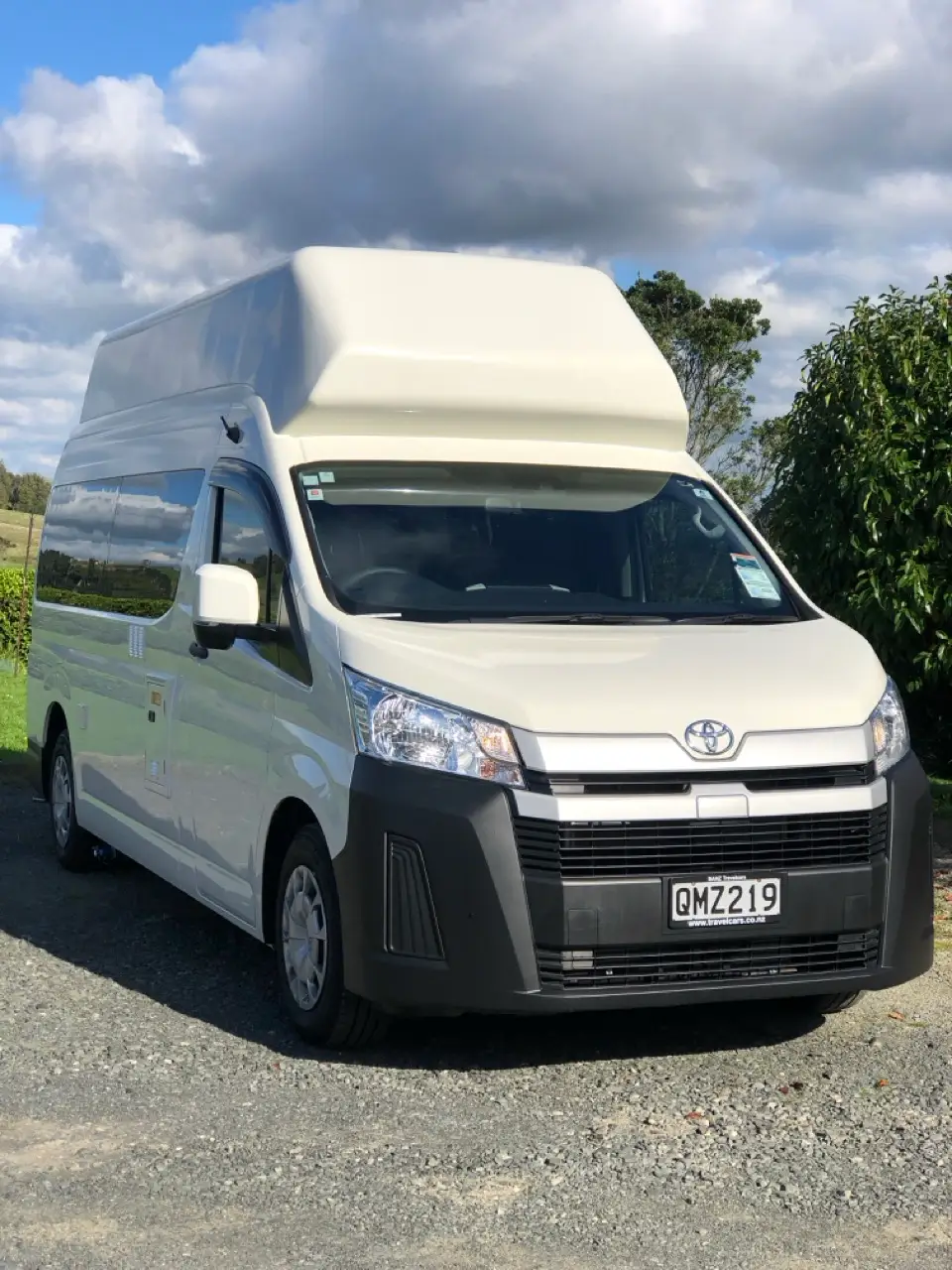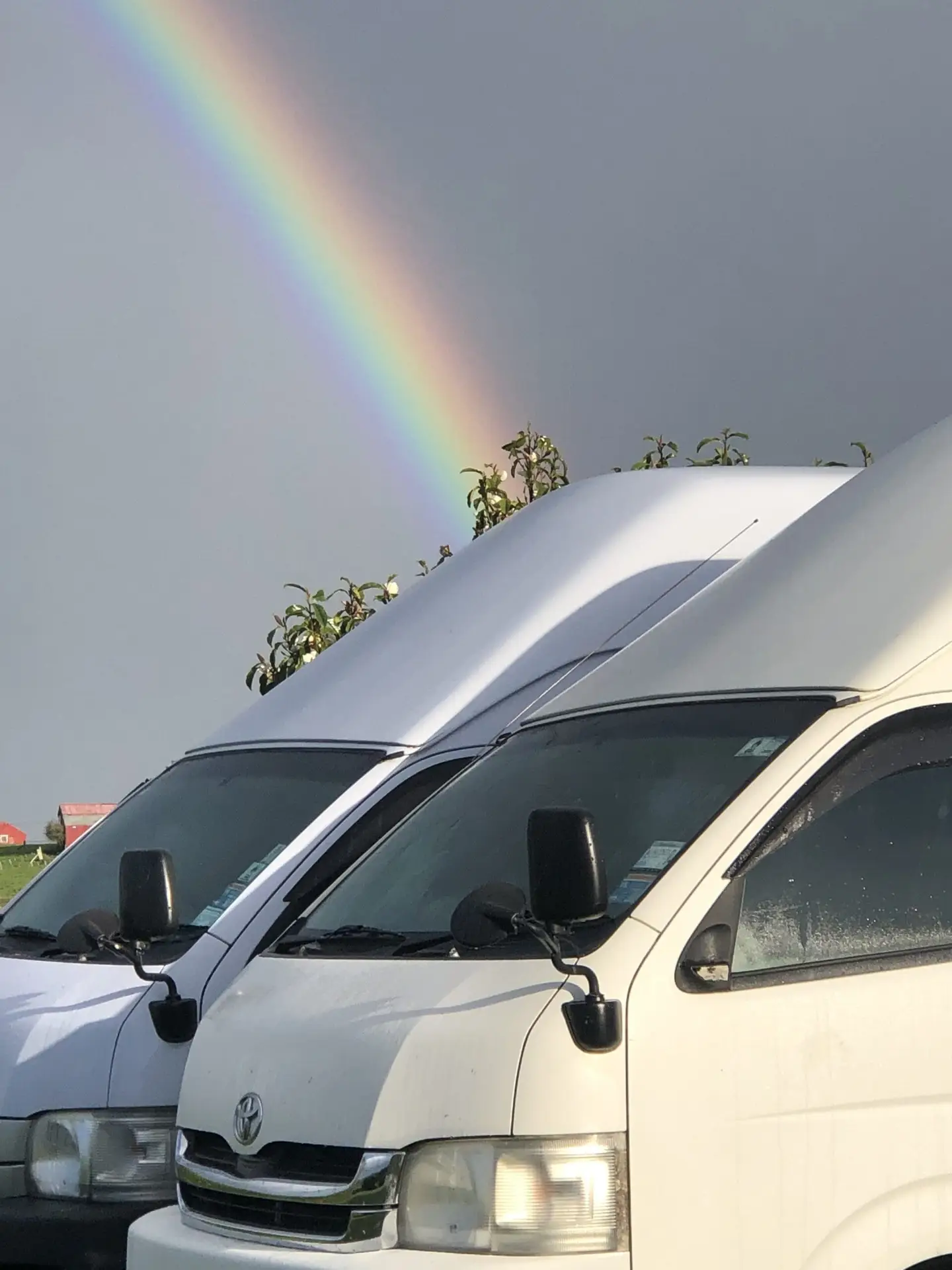
For most first-time travellers in New Zealand, the biggest mistake is hiring a vehicle that’s too large. A large motorhome can sound appealing on paper, yet many couples and solo travellers end up wanting something simpler – easier to park, cheaper to run, and less stressful on narrow roads or in busy towns. A well-designed small campervan often gives you more freedom, not less.
Why a first-time campervan hire guide should start with size
If you’re new to campervan travel, think about how you’ll spend your days. You’ll be driving, stopping for walks, stocking up on groceries, finding overnight spots, and moving through small towns and scenic back roads. In that context, a compact campervan often makes more sense than a bigger rental with extra bulk you may not need.
A smaller van is usually easier to handle in supermarket car parks, on winding roads, and at popular lookouts where space can be tight. It’s also more fuel-efficient and less intimidating if you’re adjusting to driving on the left. That matters more than many first-time visitors expect.
The trade-off is space. You won’t have the same room to spread out as in a large motorhome, so layout matters. Look closely at whether the van offers practical storage, a comfortable bed setup, decent ventilation, and enough power for your travel needs. Good design beats sheer size every time.
Choose the campervan around your trip, not your wishlist
It’s easy to build a dream list of features, but the better approach is to match the van to the trip you’re taking. A couple travelling for two weeks with a mix of holiday parks and freedom camping needs something different from a solo traveller doing a month or two on the road with a tighter budget.
Start with sleeping comfort. If converting the bed every night will annoy you by day three, that’s worth knowing before you book. Then think about cooking. Some travellers prepare simple meals once a day and need only a basic setup, while others want a proper fridge, a reliable cooker, and enough bench space to make regular self-catering worthwhile.
Power systems matter too, especially in New Zealand, where many travellers want flexibility. Solar support, dual batteries, and practical charging options can make a real difference if you’re not planning to plug in every night. Heating is another one that sounds optional until you hit a cold South Island evening.
If you’re comparing rental companies, look beyond the headline rate. Transparent pricing, a clear explanation of what’s included, and support from people who know the vehicles well can save trouble later. First-time renters usually benefit from a thorough handover and reassurance that help is available if anything feels unclear on the road.
What first-time campervan hire really costs
Budget catches many people out because the hire fee is only part of the picture. The total cost usually includes fuel, campsite fees, food, insurance, and occasional paid activities or ferry crossings, depending on your route. None of that is a reason to avoid a campervan trip – it just means you should budget realistically.
A smaller campervan can help keep costs under control. Fuel use is generally lower than with a larger motorhome, and day-to-day driving feels more practical. If the vehicle is set up for self-contained travel, you may also have more flexibility in where you stay, though you should always check local rules and designated overnight areas.
Insurance deserves a careful look. Don’t just glance at the excess and move on. Read what’s covered, which driver conditions apply, and whether windscreens, tyres, or underbody damage are excluded. New Zealand roads vary a lot, and first-time renters are better off asking direct questions before they collect the keys.
Driving in New Zealand feels different at first
Visitors often underestimate how tiring driving in New Zealand can be. Distances on the map may look short, but roads are often narrower, slower, and more winding than expected. Add changing weather, gravel access roads in some areas, and the need to stay alert on the left, and it makes sense to keep daily drives reasonable. It helps to review the official driving advice for visitors in New Zealand (https://www.nzta.govt.nz/safety/visiting-drivers/) before you start planning long days on the road.
The good news is that a compact campervan is usually easier to get used to than a big motorhome. You sit high enough to see well, but the vehicle still feels manageable in traffic and on country roads. Make sure you’re familiar with the basic New Zealand road rules (https://www.nzta.govt.nz/roadcode/) so that driving feels as relaxed as possible. That confidence changes the whole trip.
Plan fewer kilometres than you think. Leave room for photo stops, roadworks, changing conditions in the New Zealand weather forecast (https://www.metservice.com/), and the fact that you’ll want to pause often. New Zealand is better enjoyed at a slower pace anyway. Rushing from one end of the country to the other is one of the quickest ways to turn a great holiday into a tiring one.
Packing for a campervan trip is different from packing for hotels
Bring less than you think you need. Soft bags are easier to store than hard suitcases, and layers work better than bulky clothing. If your campervan has limited interior space, every extra item has to be moved, tucked away, or stepped around.
Focus on practical items you’ll use repeatedly: comfortable shoes, a waterproof jacket, quick-dry towels, basic cooking essentials, and charging cables for your devices. You can buy groceries and supplies once you arrive, so there’s no need to overpack from home.
What helps most is keeping the van easy to live in. A tidy campervan feels larger, more comfortable, and less frustrating. That matters on a long trip, especially for two people sharing a compact space.
Freedom camping sounds simple, but the details matter
Freedom camping is one of the big reasons people choose a campervan in New Zealand, but it’s not a free-for-all. Rules vary by council area, and not every self-contained vehicle can stay in every area. Some places have designated sites, time limits, or seasonal restrictions, while others do not allow overnight stays at all.
This is where first-time travellers benefit from local advice. If you understand where you can park legally and responsibly, you’ll avoid fines and have a much better experience. It also helps to keep a flexible mindset. Sometimes the best option is a holiday park with hot showers, laundry and a powered site – especially after several nights on the move.
A self-drive trip works best when you mix freedom with comfort. There’s no prize for unnecessarily roughing it.
The handover matters more than brochures do
A proper vehicle handover can make the first two days of your trip much easier. You want to know how the bed works, how to use the fridge, what powers what, how to manage water and waste, and what to do if something doesn’t seem right. A rushed pickup creates uncertainty that tends to show up later, usually when you’re parked somewhere remote and trying to work out a switch in the dark.
This is one area where an experienced, owner-led operator can make a real difference. Companies such as BANZ Travelcars have built their reputation on practical support, well-maintained vans and straightforward advice rather than flashy promises. For first-time renters, that kind of clear guidance is often worth more than extra marketing features.
A better road trip usually comes from simpler choices
You do not need the biggest campervan, the longest route or the most ambitious itinerary to have an excellent New Zealand road trip. For most first-time travellers, the sweet spot is a reliable, compact van with a comfortable bed, sensible storage, good power setup and support from people who know the roads and the realities of campervan travel.
If you choose a van that feels manageable, plan your days with some breathing room, and stay flexible about where you stop each night, the trip starts to feel easy in the best possible way. That’s when the real appeal of campervan travel kicks in – not just getting from place to place, but having your own small, comfortable base wherever the road takes you.
The best first trip is rarely the most complicated one. It’s the one that leaves you confident enough to do it again.