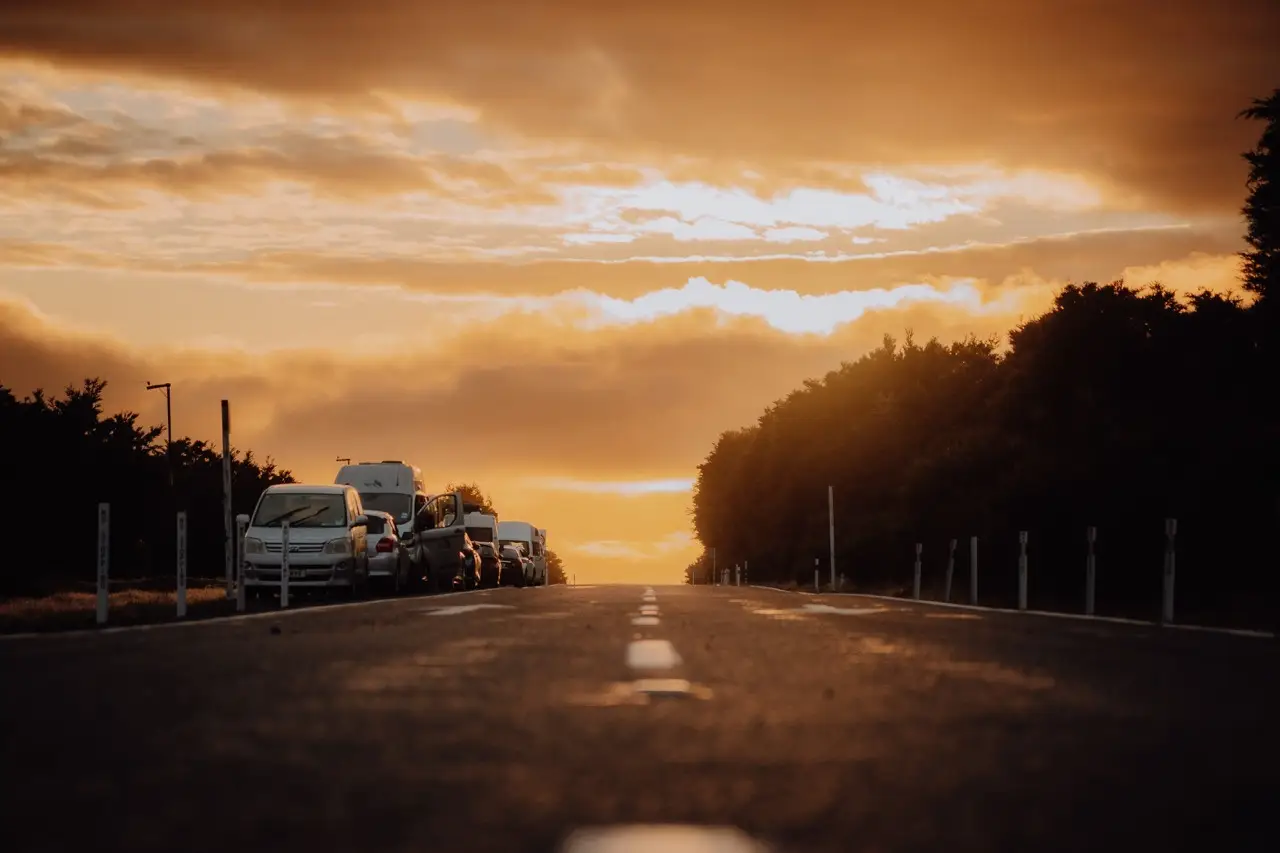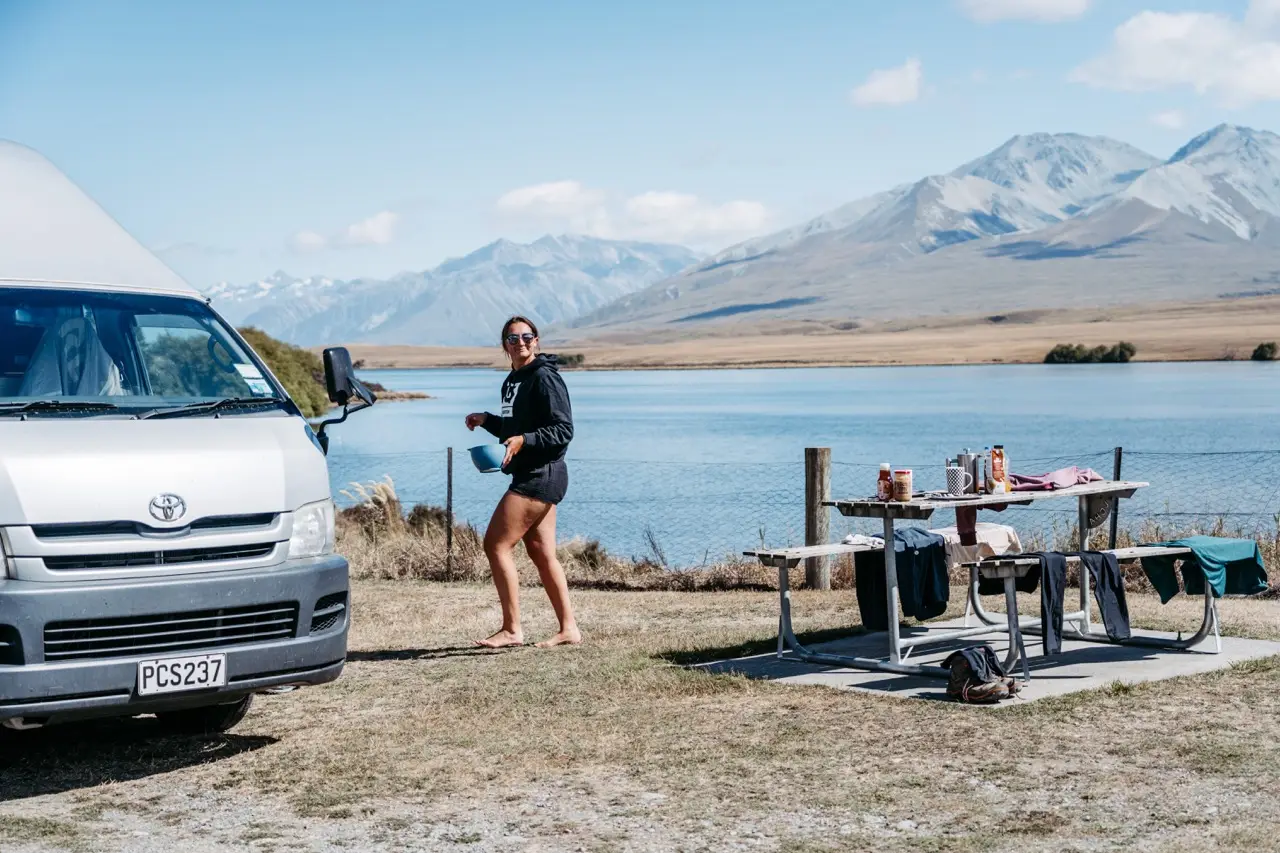
You can cover a lot of ground in the North Island without feeling rushed if you have the right setup. A campervan trip here is much easier when your vehicle is easy to drive and park, and comfortable enough that changing plans feels fun rather than stressful. If you’re dreaming of adventure, a campervan trip on New Zealand’s North Island is one of the best ways to experience the region. Even if you are new to driving in New Zealand, the roads are generally well-marked and most travellers find they adjust quickly. This helps build confidence, especially for first-time international drivers.
For most independent travellers, this is what makes a smaller campervan so appealing. The North Island has famous sights, but some of the best moments are the unexpected ones: a quiet beach at sunset, stumbling upon a thermal reserve, turning a bakery stop into lunch, or making a last-minute detour to a lake when the weather is good. A compact two-person campervan gives you that freedom without the size, fuel costs, or feeling tied to campgrounds that comes with a bigger motorhome.
Why the North Island suits campervan travel
The North Island is great for self-drive trips because the distances are manageable and the scenery changes often. On one trip, you can go from Auckland’s city edge to Northland’s beaches, Coromandel’s coves, Rotorua’s geothermal areas, Lake Taupo, volcanic plateaus, surf beaches, and the vineyards in Hawke’s Bay or Martinborough. You are not stuck with just one kind of holiday.
That variety is important when you travel by campervan. You want a flexible route, not endless long drives. Smaller roads, local towns, and scenic stops are often the best parts, and they are easier to enjoy in a vehicle that drives more like a van than a bus.
Planning a campervan route around the North Island of New Zealand
A good North Island trip starts with a simple question: how much time do you really have? If you have 7 to 10 days, focus on one region rather than trying to see everything. A great first trip is Auckland to Coromandel, Rotorua, Taupo, and back. If you have two weeks or more, you can add Northland or go further south to Tongariro, Taranaki, or Wellington.
Many visitors underestimate how long it takes to drive. New Zealand roads are beautiful, but they are not made for fast travel. A drive that should take three hours can easily take five with photo stops, roadworks, slower rural roads, and all the times you will want to pull over. To keep your day enjoyable and relaxed, aim to drive no more than 3 to 4 hours per day. This gives you plenty of time for breaks, exploring, and unexpected detours without feeling rushed. It is better to give yourself extra time than to spend your trip worrying about the clock.
The season also affects your trip. Summer has longer days and great beach weather, but popular spots fill up early and roads get busy. Spring and autumn are often the best times, with fewer crowds, mild weather, and more availability. Winter can still be good in the north and central plateau, but you need to watch the weather, especially near alpine roads.
What makes a smaller campervan a smart choice
There is a good reason why many experienced travellers choose a compact campervan for the North Island. It is just easier. It is easier to drive through towns, park at supermarkets and trailheads, use less fuel, and change your plans halfway through the day.
Comfort is still important. For a good road trip, you want the basics to work well: a bed that is easy to set up, good storage, ventilation, heating for cold nights, a fridge that can hold several days of food, and a power system that lets you stay off-grid. Features like solar panels, dual batteries, and a walkthrough interior really help on longer trips, especially when you want to stay flexible.
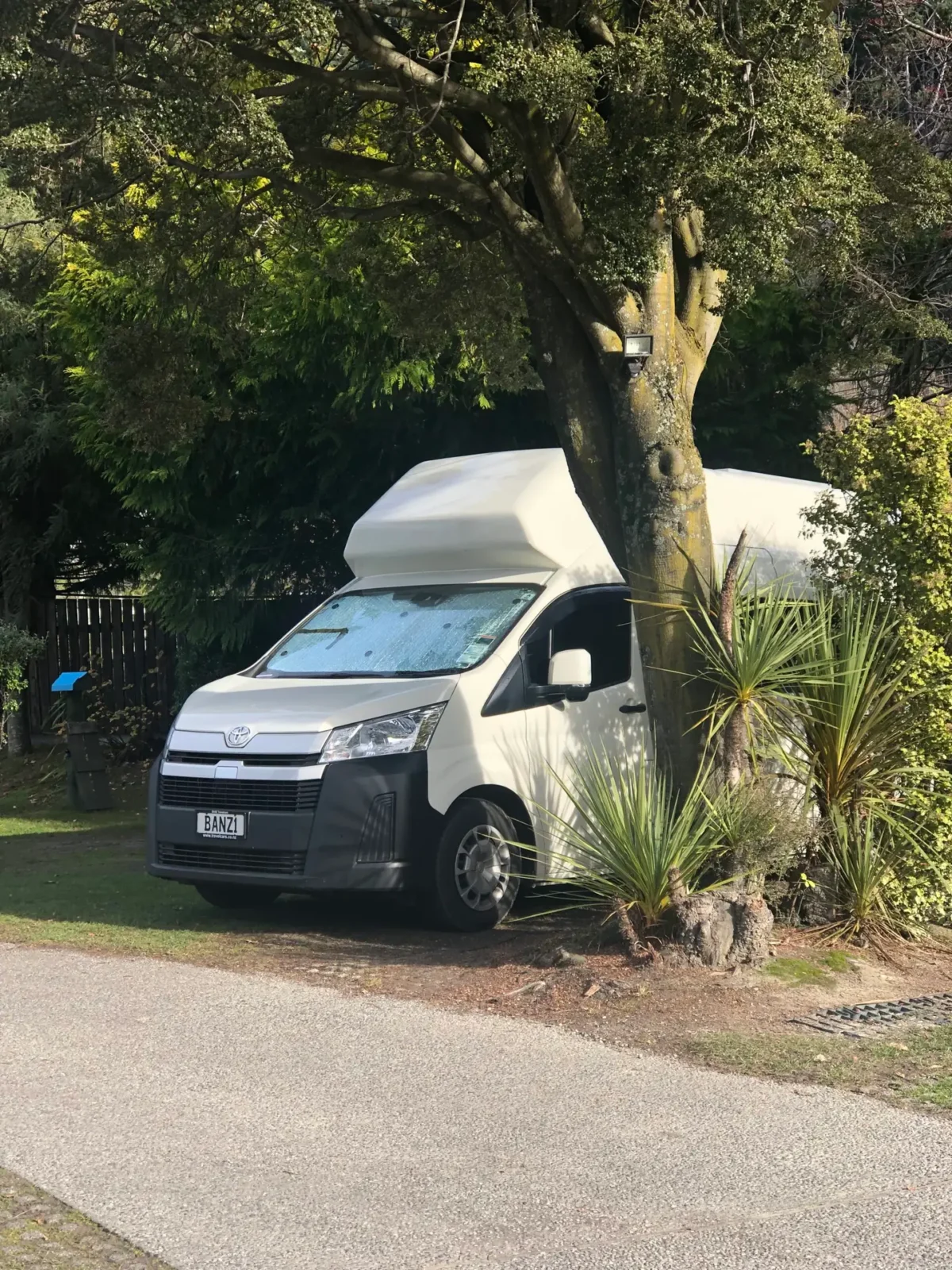
This is why a well-maintained, locally set up campervan is worth it. A family-run company like BANZ Travelcars knows that travellers need more than just a vehicle. They want to know that it has been cleaned, checked, and properly explained before they leave.
Stops worth building into your trip
Northland is perfect if you want beaches, warm weather, and a slower pace. The Bay of Islands, Tutukaka, and the far north are all worth spending extra time. Coromandel is great for those who enjoy coastal drives, short walks, and beach camping, but summer traffic can be slow.
Rotorua and Taupo are must-sees for first-time visitors. Rotorua offers geothermal sights, forest trails, and Māori cultural experiences. Taupo has lake views, waterfalls, and easy access to the central plateau. If you enjoy hiking, Tongariro National Park is one of the best inland stops, but the weather can change fast, so it is good to stay flexible.
Further south, Hawke’s Bay has a slower pace with great food, wine, and coastal views. The west coast feels different again: it is more rugged, less polished, and perfect for travellers who like quieter roads.
A few practical tips that save headaches
Keep your daily drives manageable. Do your shopping before heading into smaller holiday spots, where prices are often higher. Always check local freedom camping rules, as they change from place to place and are enforced more than many people expect. Local council websites and the CamperMate app are both helpful for finding up-to-date freedom camping information, so you can plan ahead and stay compliant. If it is your first time driving in New Zealand, give yourself a day to get used to things before starting a big trip.
It is also helpful to pick a rental company with clear handover support and simple pricing. When you arrive in a new country, especially after a long flight, easy pickup and a good vehicle briefing can make a big difference for your whole trip.
The best North Island campervan trips are not the ones with the most stops. They are the ones where you have the freedom to take the scenic route, stay an extra night when a place feels right, and travel at a pace that lets you really enjoy the journey.