When you arrive in New Zealand with a rough plan, a list of must-see places, and your weather app ready, the choice between hiring a campervan and renting a car suddenly feels important. While a car might seem cheaper at first, once you factor in accommodation, meals, moving your luggage, and the need for flexibility, the best option can change fast.
A rental car works well for some travelers. For others, a small campervan makes the trip easier, more comfortable, and often better value than they thought. The right choice depends on your travel style and how long you’ll be in New Zealand. Moreover, it depends on whether you want your transport and accommodation together or separate.
Campervan hire vs car rental: what actually changes?
The main difference isn’t just the vehicle itself. It’s the kind of trip you’ll experience.
When you rent a car, you’re only paying for transport. You still have to book places to stay, plan ahead for each night, and pack and unpack your things often. This setup works well for short city trips, business travel, or fast-paced journeys with set overnight stops.
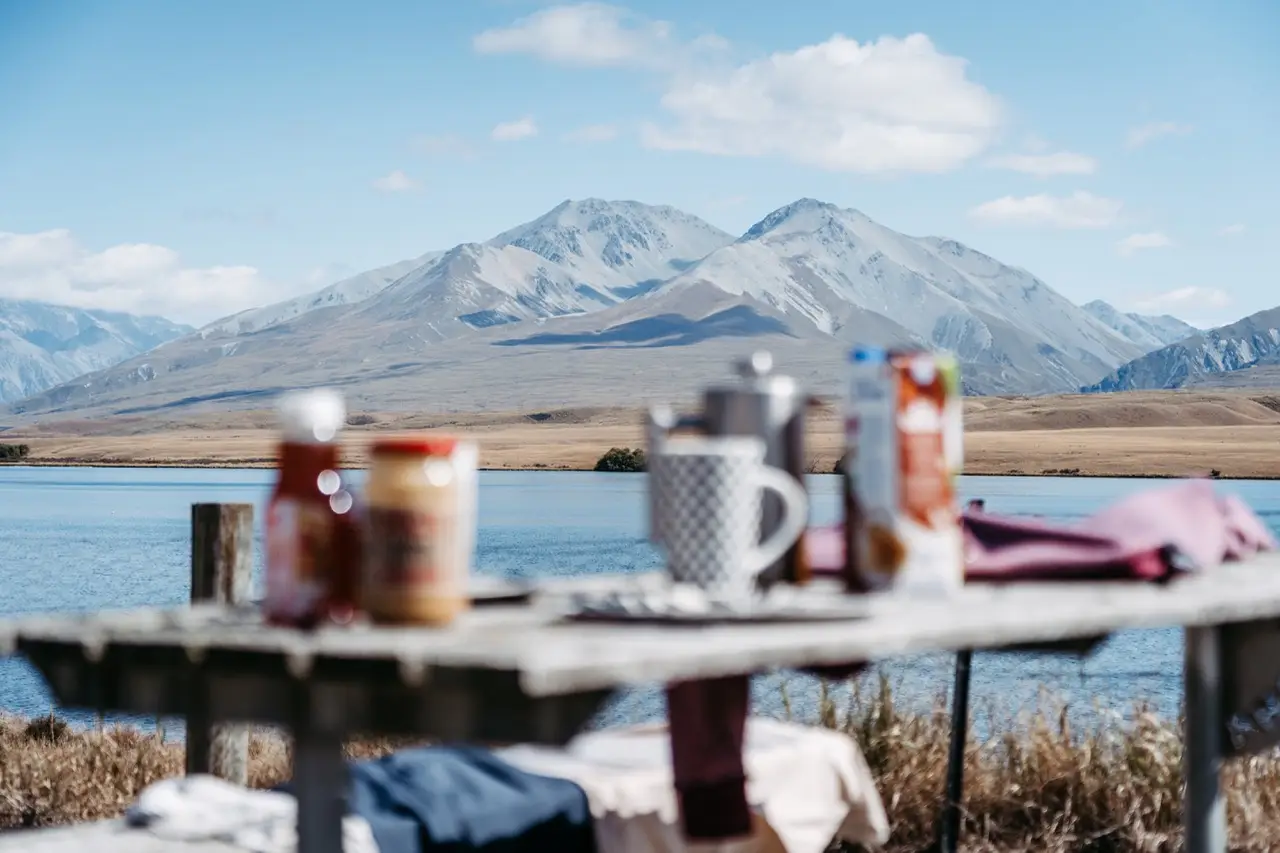
With a campervan, you bring your essentials along and travel with more freedom. You can stop for a walk by the coast or wait out the rain with a hot drink. Also, you can stay longer if a place feels special. For many visitors, this flexibility is the real benefit, especially in a country where the journey is a big part of the adventure.
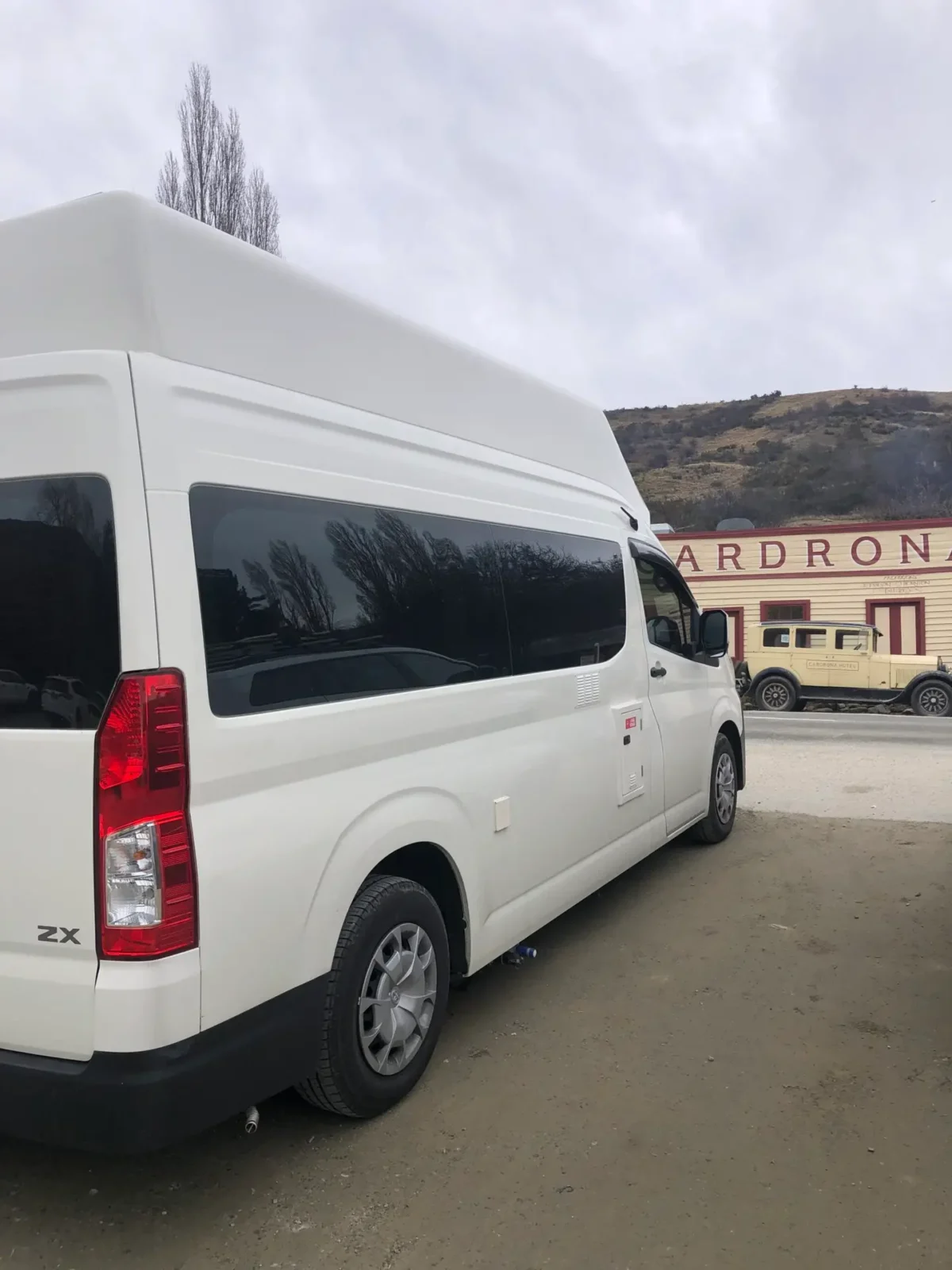
A small campervan feels very different from a big motorhome. It’s easier to drive, simpler to park, and less stressful on narrow roads. This is important in New Zealand, where many great spots are reached by winding roads and small towns. In addition, they are reached via scenic detours rather than wide highways.
When car rental makes more sense
Renting a car is usually best if your trip is short and well-planned. If you’re staying in hotels each night, spending most of your time in one area, or just using the car for day trips, a car keeps things straightforward.
A car also suits travelers who want to eat out every day and don’t want to cook or manage a small living space. If you already know where you’ll sleep each night and have booked your accommodation, a regular car is often all you need.
Urban travel is another factor. If you’ll spend a lot of time in central Auckland or Christchurch, or you’re just making a short trip between main cities, a car is often a better fit. You won’t pay for features you won’t use.
However, the advertised rental price can be misleading. When you add the cost of motels, holiday parks, or hotels, plus extra meals on the road, a car that seems cheap at first can end up costing more overall.
When a campervan is the smarter choice
If you’re traveling for more than a few days, want to cover ground without rushing, or don’t want to book every night far in advance, a campervan starts to make a lot of sense.
A campervan gives you more control over your day. You don’t have to rush to the next hotel just because of check-in times. You can stay close to nature, cook when you want, and keep your things organized in one spot instead of moving them in and out of the car each day.
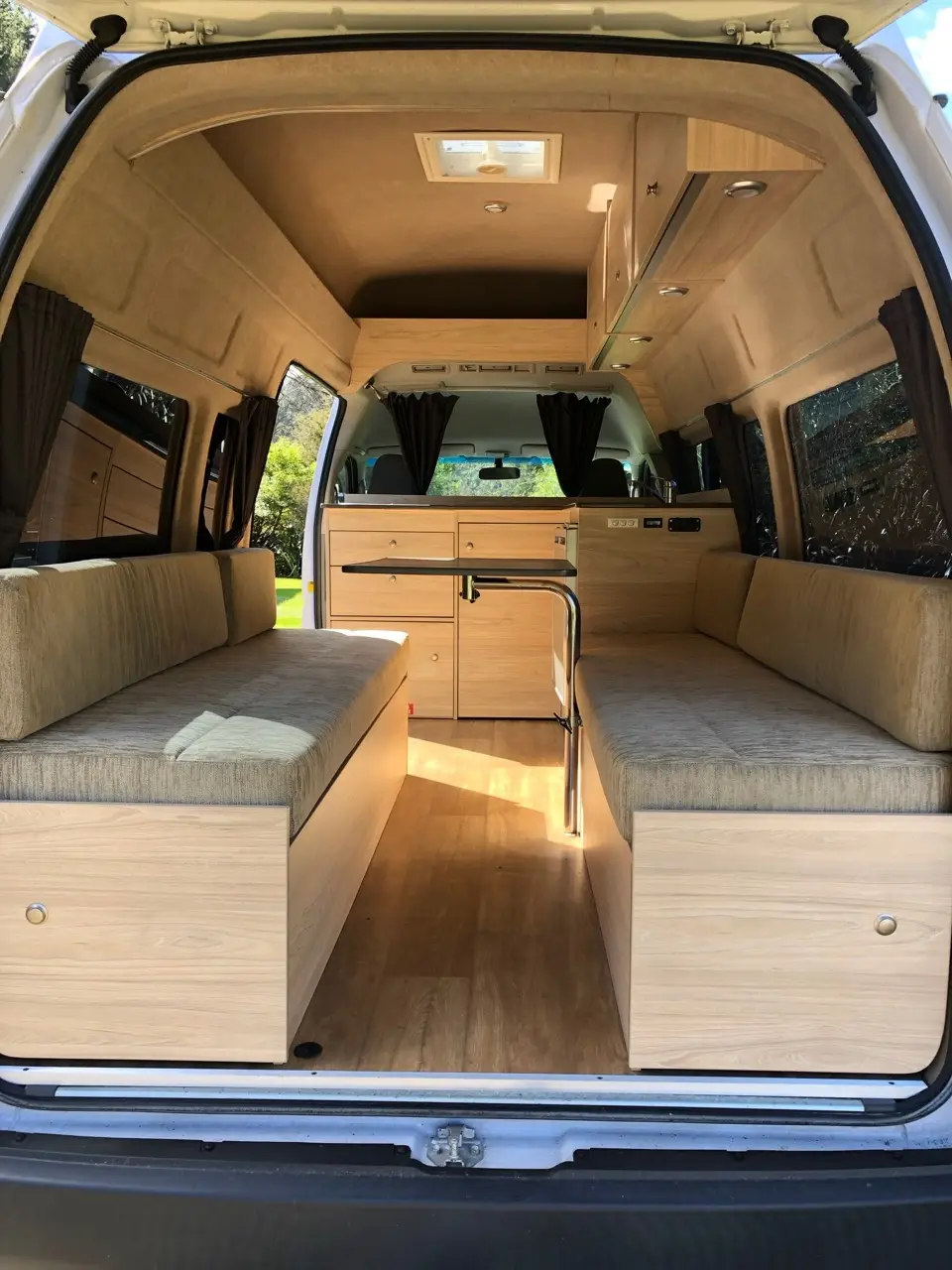
For couples and solo travelers, a compact campervan can be just right. You get all the essentials for a road trip: a bed, storage, fridge, cooking gear, power, and shelter. Importantly, you get this without the size and fuel costs of a bigger vehicle. That balance is why many experienced travelers in New Zealand prefer smaller campervans over large motorhomes.
Practical comforts matter too. Being able to stop and make lunch, charge your devices, keep food cold, and stay warm on a chilly night can really change your travel experience. It’s not about luxury for its own sake, but about the kind of comfort that makes long days on the road much more enjoyable.
Cost is not just the daily rate
This is where the campervan-versus-car debate often gets overly simplistic. Travelers look at the basic rental price and think the car is cheaper. Sometimes that’s true, but often it isn’t.
To compare fairly, you need to include accommodation, some food costs, campsite or parking fees, and the value of flexibility. If bad weather hits and you have to change your plans, a campervan can save you from losing money on prepaid rooms. In busy seasons, having your own bed with you also means less stress about finding last-minute places to stay.
Fuel is important too. Campervans usually use more than small cars, but not all campervans are the same. A compact, well-designed van is very different from a big six-berth motorhome. Travelers who pick a smaller van often find the fuel difference isn’t as big as they thought. This is especially true since the campervan covers both transport and accommodation.
Budgeting isn’t just about spending less. It’s about getting the most value for your money. If a campervan lets you travel longer, eat more cheaply, and stay flexible, it can be a better deal even if the daily rental rate is higher.
Comfort on the road matters more than most people expect
Many first-time visitors see a rental car as the sensible option and a campervan as the adventurous one. But after a week of living out of bags, looking for places to eat in bad weather, and checking in late after long drives, that idea can flip.
Comfort on a New Zealand road trip means having a reliable base. It’s a dry place to sit if the weather changes, a spot to store groceries properly, and somewhere to rest without always needing to move on.
This is where the layout matters. A walkthrough or even a crawlthrough interior, good storage, heating, and practical living features make a real difference. It also helps if the vehicle is easy to drive. You want a van that makes the trip easier, not one that feels like a hassle every time you park or turn.
Freedom is valuable, but only if the vehicle is right
Travel ads often talk about freedom, but on the road, it’s really about the details. Can you bring what you need without clutter? Can you sleep comfortably? Can you stop for the night without it being a hassle?
A well-equipped campervan gives you options that a car can’t. But that freedom only works if the van is well-maintained, thoughtfully set up, and you have real support if anything goes wrong.
That’s why many travelers prefer working with an experienced local company instead of a big, impersonal business. Clear instructions, honest advice, and quick help are important, especially if New Zealand is new to you. Personal service can be just as valuable as the campervan itself.
How to choose for your trip
Think about how set your plans are. If your route, hotels, and meal stops are all booked, a car might be all you need. If your trip is more flexible, a campervan usually gives you more freedom.
Also consider who you’re traveling with. Couples often get great value from a two-person campervan since they share the accommodation cost. Solo travelers can also benefit if flexibility is more important than spending the least each day.
Next, think about your travel style. If you like scenic detours, slow mornings, cooking some meals, and staying near beaches, lakes, or mountains, a campervan will probably suit you. If you prefer city stays, eating out, and fixed bookings, a car is likely the better choice.
For many people visiting New Zealand, the answer is simple. If your trip is mostly about getting from one place to another, rent a car. If it’s about the journey, the scenery, and having the freedom to change your plans, go with a campervan.
A great road trip should feel easy, not overplanned. Choose the option that lets you enjoy New Zealand as it unfolds, because that’s often when the best moments happen.