There is a big difference between looking at campervan photos online and spending two weeks actually living in one. If you are considering 2-berth campervan hire in NZ, the real question is not just whether two people can sleep in it. It is whether the van gives you enough comfort, storage, flexibility, and confidence to enjoy New Zealand properly without paying for more vehicle than you need.
Take a typical day: You wake up to the sound of birds on the edge of Lake Tekapo, open the curtains to mountain views, and start the kettle for morning coffee while your partner folds up the bed into a seat. Storage gets real fast as you dig out hiking shoes from under the bench, find the rain jackets, and make breakfast on the compact stove. Later, a patch of bad weather means eating indoors, so good seating and insulation become obvious essentials. At night, you park in a quiet campsite and, with only minutes to switch from ‘living room’ to ‘bedroom,’ you realise just how important smart design and practical storage are. Every little detail matters when all your gear and plans fit inside a small van.
For many travellers, a two-berth campervan hits the sweet spot. It is easier to drive than a large motorhome, easier to park in towns, and usually much more affordable over a longer trip. But not every two-berth setup feels the same on the road. The layout, power system, insulation, bed design, and support behind the rental all make a noticeable difference once the trip begins.
Why 2 berth campervan hire NZ suits so many travellers
New Zealand is one of those places where the journey matters as much as the destination. You might spend one day on a coastal road, the next in a small alpine town, and the day after parked near a lake with no rush to move on. That kind of travel works best when the vehicle feels practical rather than oversized.
A two-berth campervan is a strong fit for couples, close friends, and solo travelers who want extra room without stepping up to a bulky motorhome. On New Zealand roads, that matters. Many routes are scenic, narrow, winding, or unfamiliar to overseas visitors. A compact van gives you more confidence at the wheel, especially when parking in small towns, reversing into campsites, or handling long travel days.
The cost side matters too. Larger campervans usually mean higher daily rates, more fuel use, and often more stress. If your trip is really about moving freely, cooking simple meals, and sleeping comfortably, a good two-berth van often delivers better value.
What makes a good 2 berth campervan in NZ
This is where the details start to matter. On paper, many campervans sound similar. In practice, they are not.
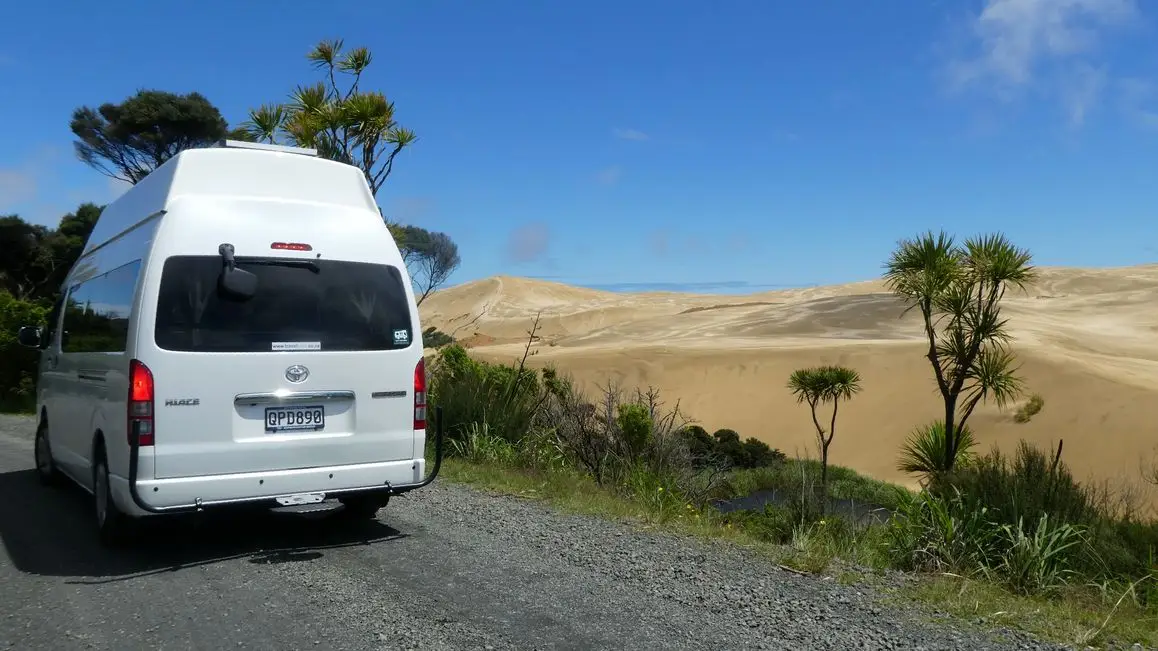
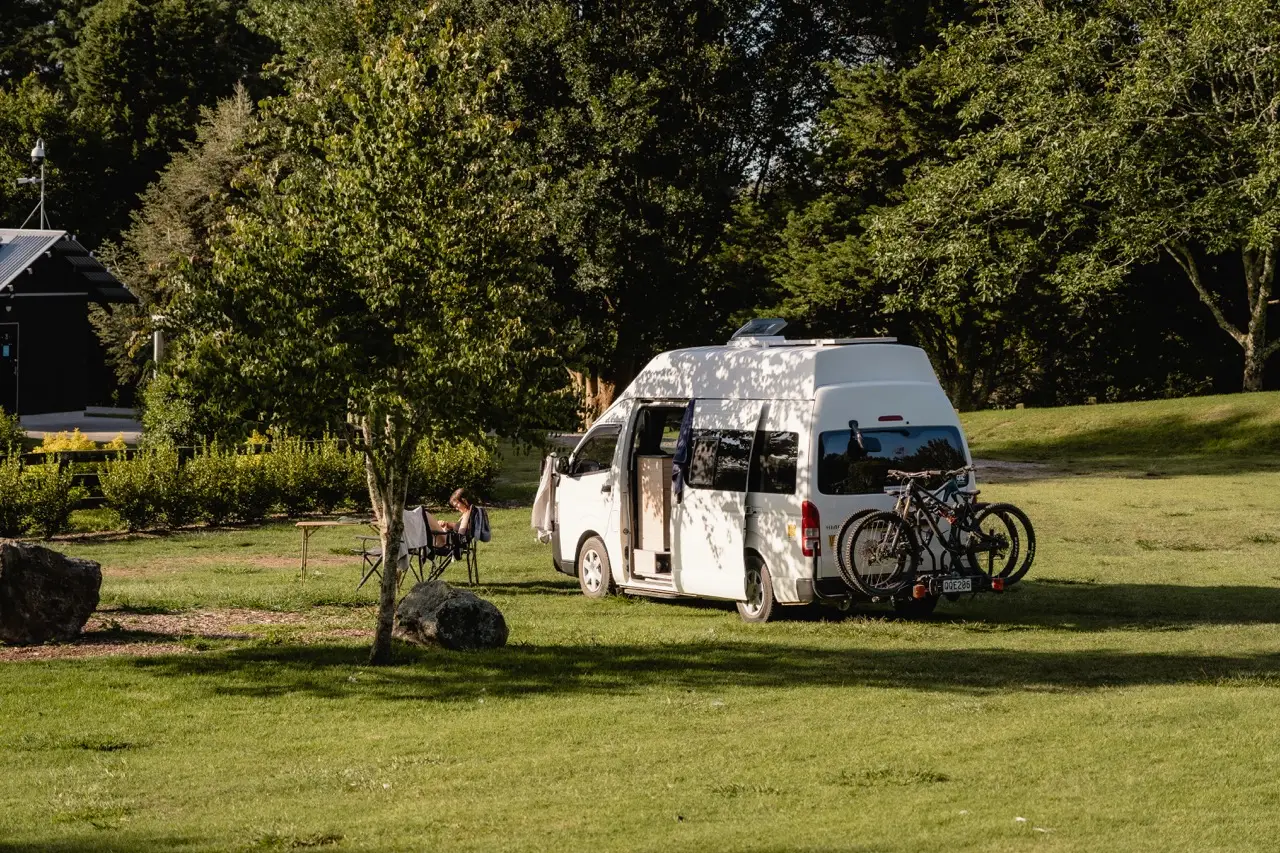
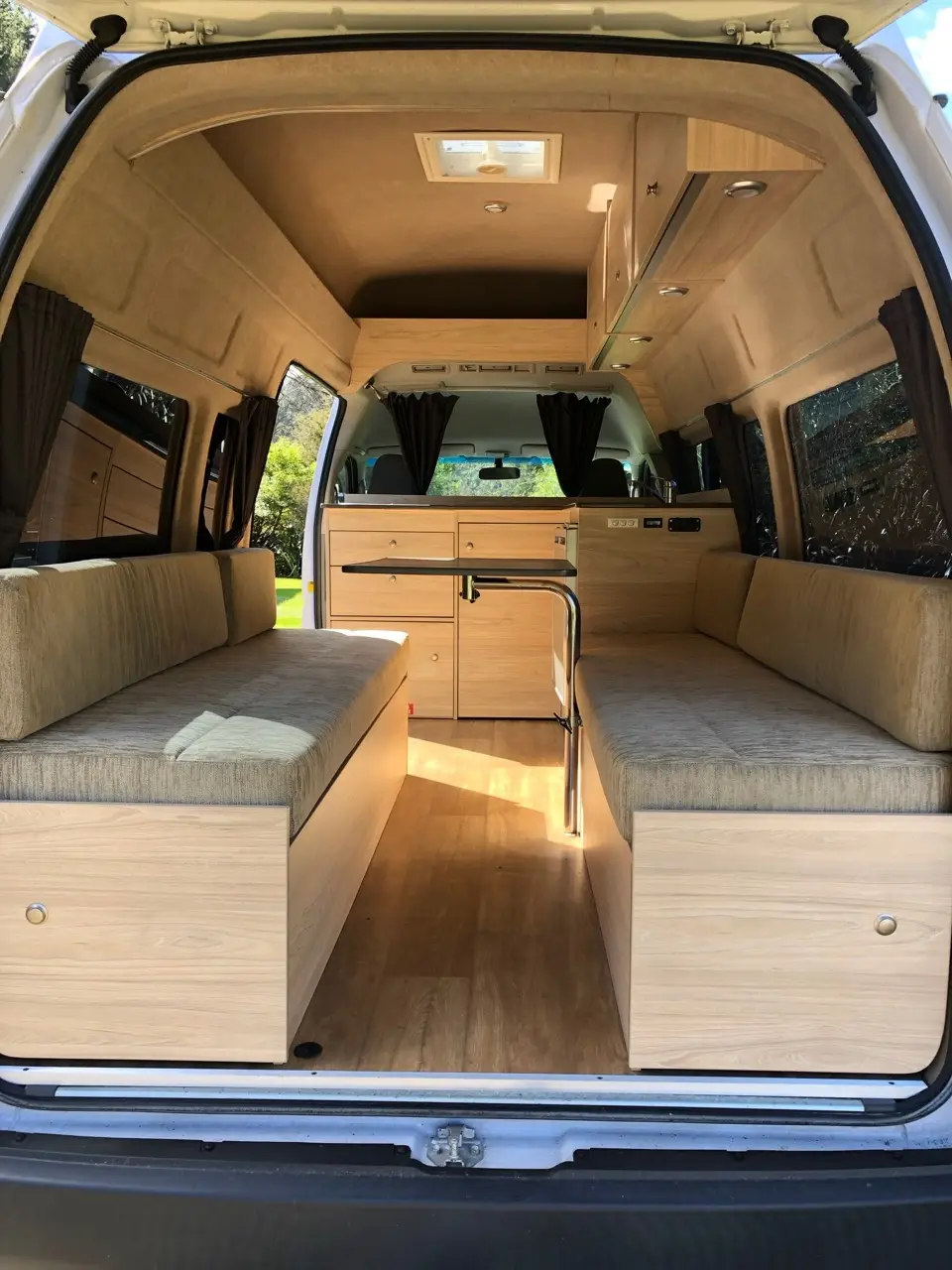
The first thing to look at is the base vehicle and layout. A well-converted Toyota Hiace style van is popular for good reason. It is a reliable platform, manageable in size, and roomy enough for two people when the interior is properly designed. A walk-through interior also makes life easier than people expect. When the weather turns bad, being able to move from the front seats into the living area without stepping outside is a real advantage.
Bed setup is another area where quality shows. Some vans technically sleep two, but the bed is awkward to make up or too tight for a comfortable night. Others are designed for real travel, with a practical bed base, usable mattress space, and enough room to store bedding without creating daily chaos. If you are moving every day or two, that setup becomes part of your routine, so it should be simple.
Power and self-sufficiency matter as well. A dual-battery system, solar charging, a fridge, and interior lighting are not luxury extras in New Zealand road travel. They are part of making the trip flexible. Seasonal conditions in New Zealand can change quickly, especially in the South Island or at altitude. Essentials for winter and off-season travel include reliable insulation, an efficient diesel or gas heater, thermal window coverings, and a well-ventilated layout to reduce condensation. Access to a hot water bottle or extra warm bedding can also make a real difference on chilly nights. In summer, good ventilation and sunshades help keep the camper van comfortable. The same goes for heating in colder months. A campervan that is fine in summer can feel very different in the South Island in spring or autumn.
Then there is storage. Two people can travel light for a weekend. For two or three weeks, you need thoughtful storage for clothes, food, bags, and daily essentials. Good design helps a small van feel calm. Poor design makes it feel crowded fast.
The trade-off: compact freedom vs extra space
A two-berth campervan works very well, but only if it matches how you like to travel.
If you plan to spend most days outdoors, cook simple meals, and move around often, the compact size is a benefit. You will probably appreciate lower fuel costs, easier driving, and less hassle in urban areas. If your trip is built around flexibility and scenery rather than long stretches spent inside the van, this format makes sense.
If, on the other hand, you want a full indoor living area, separate shower and toilet, or lots of standing space, a two-berth van may feel too compact. That does not make it the wrong choice – just a different one. Many travellers are happier in a smaller van because it better fits the trip. Others discover they really want more interior room, especially in winter or on a very long journey.
That is why it helps to think honestly about your habits. Are you comfortable sharing a compact space? Do you want to freedom camp where suitable and stay mobile, or spend more time in powered campgrounds with larger facilities? If you are considering freedom camping, it is important to check that your 2-berth campervan is certified self-contained. Most quality rental vans in New Zealand do meet this standard, which means they carry the facilities needed for responsible overnight stays outside of designated campgrounds. Look for the certification sticker, as it’s required by many councils for overnight parking in freedom camping spots. Are you packing for practical travel, or trying to bring half your wardrobe? The right answer depends on the kind of trip you want, not the biggest vehicle available.
Comfort on the road is about more than the bed
When people imagine campervan comfort, they usually think about sleeping. But day-to-day comfort comes from many small things working well together.
Good seating matters when you are covering distance. So does visibility, especially for new drivers on the left side. A van that feels steady and straightforward to handle reduces fatigue. That is one reason smaller campervans appeal to overseas visitors – they let you focus on the road and the scenery instead of wrestling with the vehicle.
A practical kitchen setup also changes the feel of the trip. You do not need a huge onboard kitchen to eat well, but you do need a usable one. Cold storage, bench space, accessible utensils, and a setup that does not require unpacking half the van every time you stop all make a difference.
Ventilation is another detail people often overlook. New Zealand weather can shift quickly. Warm days, cool nights, and condensation are part of real campervan travel. Windows, airflow, and insulation help keep the interior comfortable and dry.
Cleanliness and maintenance matter just as much. A well-maintained campervan feels reassuring from the start. Doors close properly, appliances work as expected, and nothing feels tired or neglected. That reliability takes stress out of the trip, especially when you are travelling a long way from where you picked up the van.
Why personal service matters with 2 berth campervan hire NZ
This part is easy to underestimate until something goes wrong or you simply have questions before you set off.
With 2-berth campervan hire in NZ, the rental experience is about more than the vehicle. It is also about the handover, the clarity of the information, and whether you can get help from someone who knows both the van and New Zealand road travel. A proper walkthrough saves time and avoids small mistakes becoming bigger frustrations later.
That is particularly valuable for first-time campervan travellers and international visitors. Things like where to store gear, how to manage the power system, how to set up the bed quickly, and what to expect in different seasons all matter more when explained by someone with hands-on experience. It is one of the reasons many travellers prefer a specialist operator over a large, impersonal fleet.
A company like BANZ Travelcars has built its reputation around exactly that kind of practical support. The benefit is not flashy branding. It has a well-prepared van, transparent communication, and experienced help behind the trip.
How to choose well before you book
The smartest bookings usually come from comparing the right things. Price matters, but price alone can be misleading.
Check what is included and what the campervan is genuinely equipped for. A cheaper rate is less attractive if essential features are missing or charged separately. Ask about heating, solar, house battery capacity, fridge size, bedding, kitchen gear, insurance options, and whether the van is set up for longer touring rather than just short breaks.
When it comes to insurance, rental companies usually offer a standard base policy with a high excess (the amount you pay if damage occurs), as well as optional upgrades for extra protection. Common choices include sticking with the standard policy, reducing your excess for a daily fee, or adding a zero-excess/full cover option for more peace of mind. Make sure to check what each policy actually covers, including damages to windows and tyres, theft, third-party liability, and roadside assistance. Carefully read the terms and ask questions at booking to avoid unexpected costs if anything goes wrong on the road.
It is also worth considering where your trip starts and ends. For some travellers, pickup support near arrival points makes the first day much easier, especially after a long international flight. Others care most about a smooth handover and enough time to ask questions before leaving.
Finally, trust the operator as much as the vehicle spec. A carefully maintained campervan with honest guidance is usually a better choice than a newer-looking vehicle backed by vague information and limited support.
New Zealand rewards travellers who keep things simple. A well-designed two-berth campervan gives you the freedom to move at your own pace, stop when the view calls for it, and travel comfortably without carrying more space than you need.