A two-week road trip can be improvised. A six-week or two-month trip usually cannot. When you book long-term camper hire, small details matter more. For example, how the van drives on narrow roads, whether the bed setup is practical every night, how much power you can rely on, and how quickly someone helps if you need support on the road become important.
That is why long-term camper rental is less about chasing the lowest daily rate and more about choosing a setup you can live with. In New Zealand, many travellers want the freedom to move between towns, beaches, mountain areas, and freedom camping spots. The right camper can make the trip feel easy. The wrong one can become tiring, expensive, and cramped well before the holiday is over.
Why book long-term camper hire instead of short stays
If you plan to move around New Zealand for several weeks, long-term camper hire often gives better value than stitching together buses, rental cars, and accommodation. You keep your transport and bed in one place. You can change plans as the weather shifts, and you do not need to check in and out every few days.
That flexibility matters more in New Zealand than many first-time visitors expect. Some places deserve an extra night. Some roads take longer than they look on the map. Some days are better spent parked near a lake or beach than pushing on to the next town. A camper lets you travel at a more natural pace.
There is also a comfort factor that gets overlooked. Long trips are easier when your bags stay unpacked, your food is in your own fridge, and you are not carrying your life through terminals and hotel lobbies. For couples and solo travellers especially, a well-designed small camper can be more relaxing. It can be a better base than a larger vehicle that feels harder to maneuver.
What matters most when you book long term camper hire
For extended travel, drivability is central. You will spend many hours behind the wheel, often on winding roads, through small towns, and into campsites with limited space. A compact campervan is usually easier to handle than a large motorhome. This is especially true if you are new to driving in New Zealand.
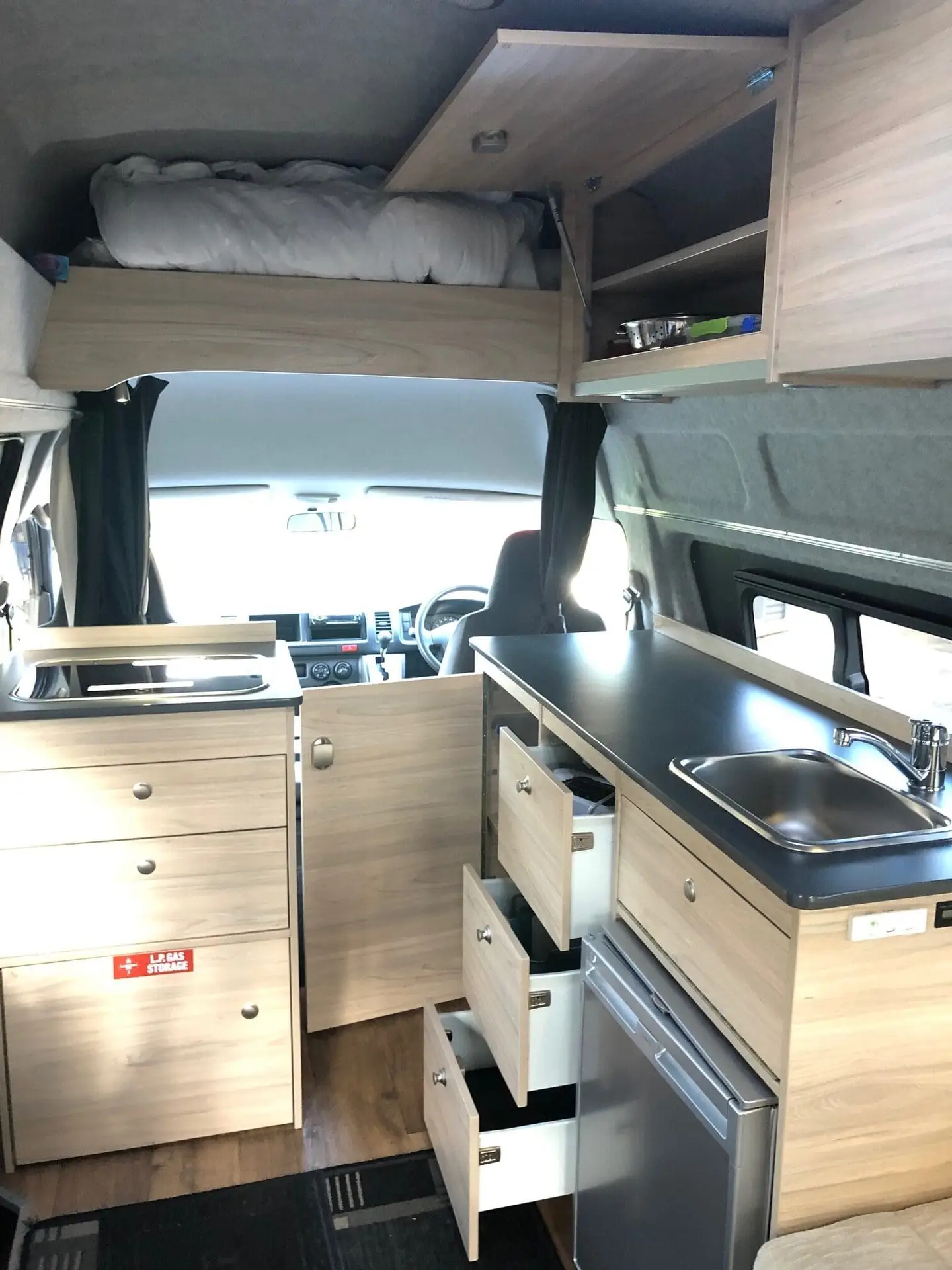
The living layout matters as much. A van can look fine in photos but feel awkward after a week if the bed is hard to make up, storage is limited, or you must move too many things to cook or relax. Walkthrough interiors, usable bench space, and practical storage are worth attention.
Power setup is another big factor. If you want the freedom to stay in remote places, look for solar support, a dual-battery system, and sensible onboard power options. Heating matters more than some travellers assume, even outside winter. Nights can turn cold quickly, especially in alpine or southern areas.
Then there is the support side. For a short rental, you may never need help. On a longer journey, questions and small issues are more likely. It helps to rent from an operator offering clear communication and practical handovers. Real backup matters more than being sent to a call centre.
Cost is important, but value is what you live with
Anyone booking long-term camper hire is thinking about budget, and fairly so. But the cheapest option on paper is not always the least expensive trip overall.
A lower daily rate can be offset by poor fuel economy, greater reliance on campsite services, missing equipment, or hidden fees. If your camper lacks basics for comfortable self-contained travel, you may pay more for powered sites, eat out more often, or change plans around the vehicle’s limits.
Transparent pricing is worth seeking from the start. Ask what is included in the rate. Find out whether bedding and kitchen gear are included in the package. Also, check what insurance excess applies and whether there are fees for additional drivers, airport pickup, or one-way travel. Long-term rentals magnify every extra cost because you carry them for weeks, not days. It usually comes from a reliable van that is properly equipped, fairly priced, and supported by people who know their fleet well. This combination often saves money by avoiding disruptions and helping you travel more independently.
The best camper for a long trip is not always the biggest
Many travellers assume that more space automatically means more comfort. Sometimes it does. But on New Zealand roads, bigger is not always better.
For one or two people, a smaller campervan often hits the sweet spot. It is easier to park in towns, less stressful on narrow scenic routes, and generally more economical to run. If the interior has been thoughtfully converted, you still get the essentials for a longer trip. These include a proper bed, storage, cooking facilities, refrigeration, and room to move around without having to drive an oversized vehicle.
This is especially true if your plan includes regular stops, mixed weather, and a combination of campgrounds and self-contained travel. A practical two-person van can feel less like a compromise and more like the right tool for the trip.
Questions to ask before you commit
Before you confirm a booking, it helps to think beyond availability and price. Ask how old the vehicle is. Check how it is maintained. Also, find out whether the camper conversion was designed for New Zealand conditions. Long-term travel puts more demand on both the driving and living sides of a van, so build quality matters.
You should also ask what the handover looks like. A proper walkthrough saves time and stress later. You want to understand how the electrical system works, how to manage water and waste, what to expect from the heating system, and how to contact support if needed.
Pickup logistics are worth checking too, especially after a long flight. Straightforward airport or station collection can make the first day much easier. The smoother the start, the more energy you have for the trip itself.
Finally, be honest about how you travel. If you like cooking your own meals, make sure the kitchen setup is practical. If you plan to move often, prioritise drivability and quick setup. If you want longer stays in scenic areas, focus on self-contained features and power independence.
Why New Zealand rewards slower camper travel
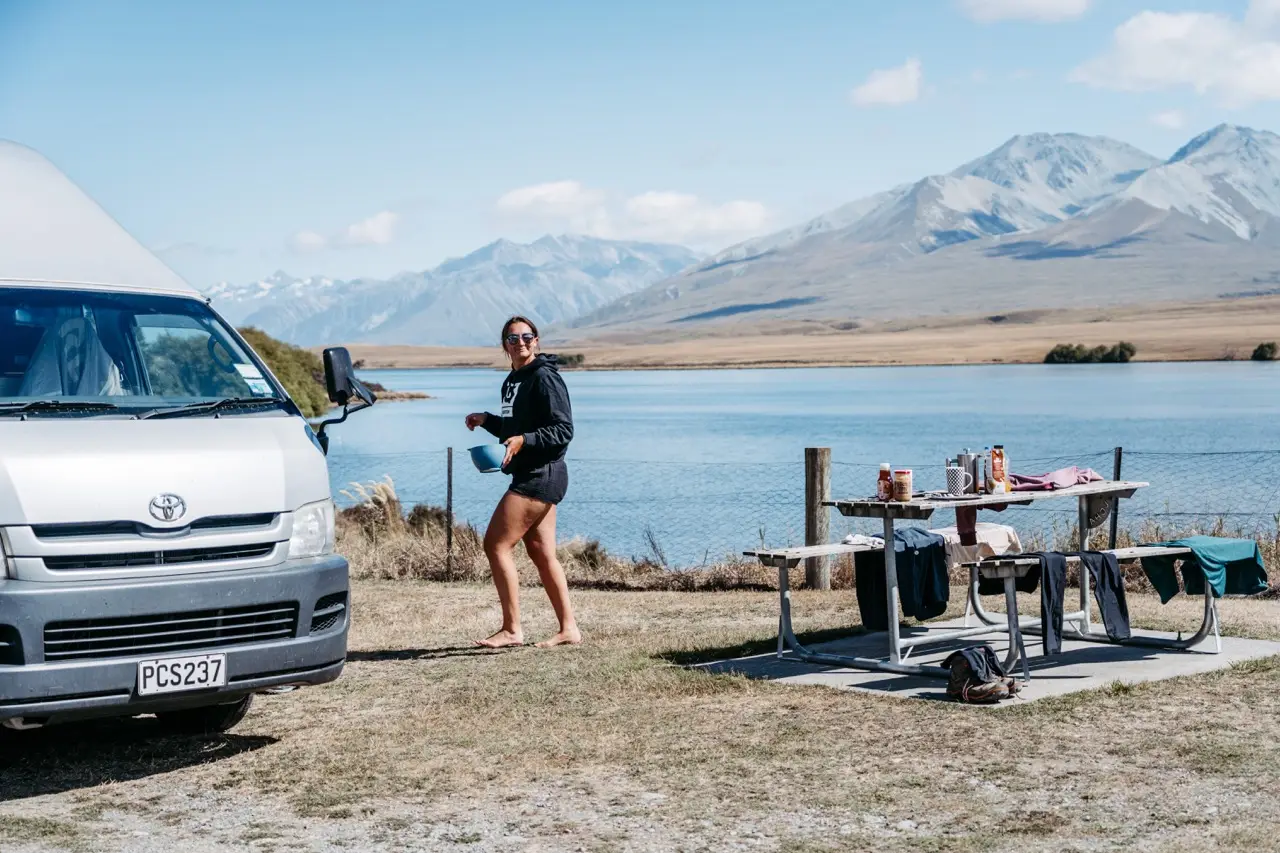
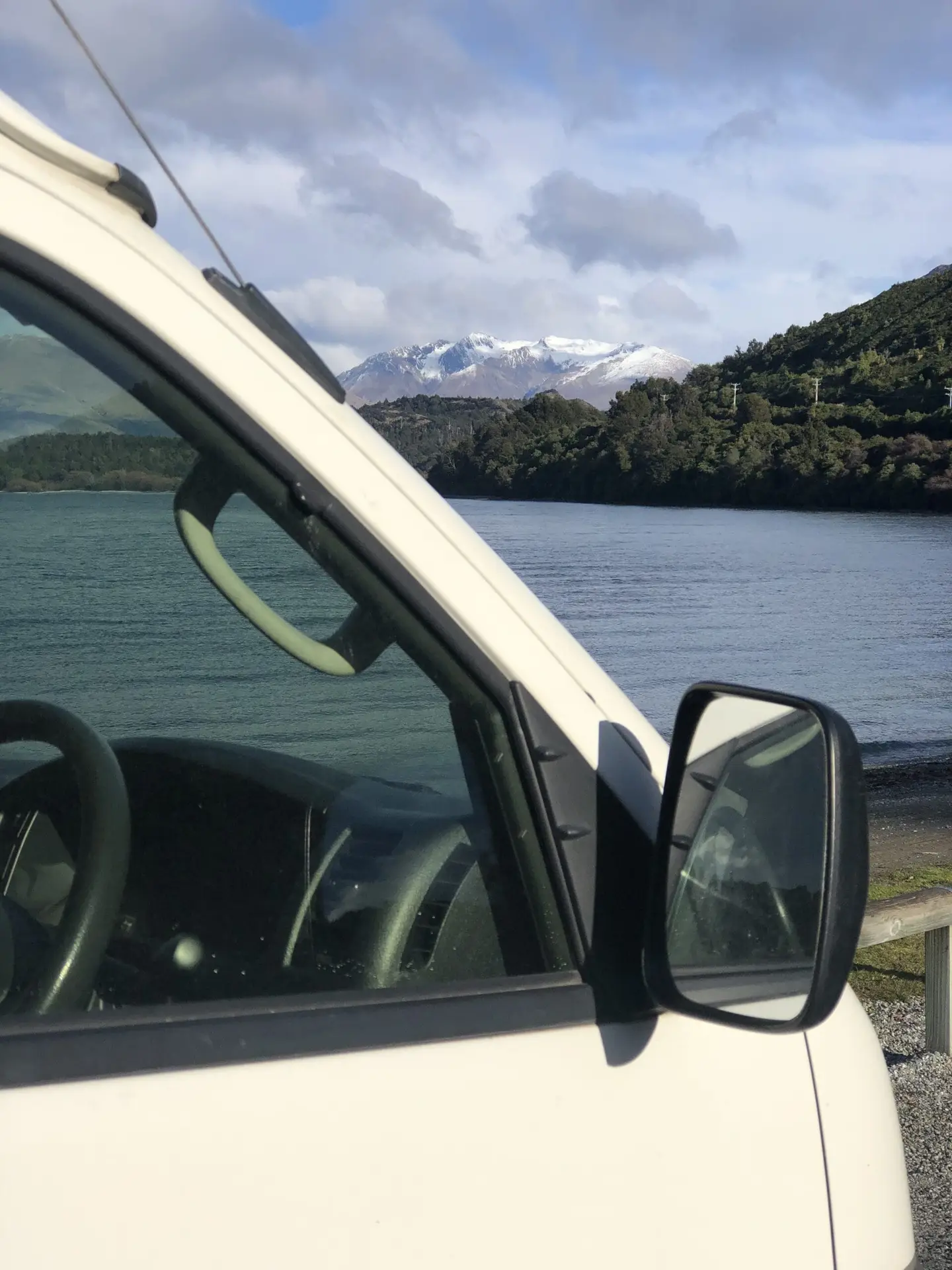
New Zealand is a country that suits long-term camper travel unusually well. Distances can look manageable on a map, but the real pleasure is in the in-between places – the coastal stops, the small-town bakeries, the quiet DOC campgrounds, the lakeside mornings you did not plan in advance.
That kind of travel works best when your vehicle supports flexibility rather than limiting it. You want a camper that feels dependable in daily use, not just attractive in a listing. Over several weeks, that means a clean and comfortable sleeping space, sensible storage, safe driving characteristics, and enough onboard equipment to keep your plans open.
For many travellers, starting in Auckland or Christchurch also shapes the journey. A good long-term hire setup lets you begin simply, settle in quickly, and build your route as you go. This is better than forcing every stop into a fixed timetable.
A personal operator often makes long trips easier.
There is a practical difference between hiring from a business that knows each vehicle closely and one that operates at a distance. With a family-run company, the handover is often clearer. In addition, the advice is more grounded, and the support feels more direct.
That matters on a long booking because trust becomes part of the experience. If a question comes up about the battery, heating, bedding, or route planning, you want an answer from someone who understands the van in real terms. You are not just renting transport. You are relying on it as your home on the road.
That is one reason many independent travellers look for operators with a strong track record, practical local knowledge, and vans designed around real travel needs rather than brochure size. At BANZ Travelcars, that owner-led approach has long been part of the appeal. Travellers who want a straightforward, well-supported New Zealand road trip appreciate it.
If you are planning to stay on the road for weeks rather than days, give yourself time to make careful choices. The right camper will not just get you around New Zealand – it will help the trip feel calmer, freer, and a lot more comfortable from the first night to the last.