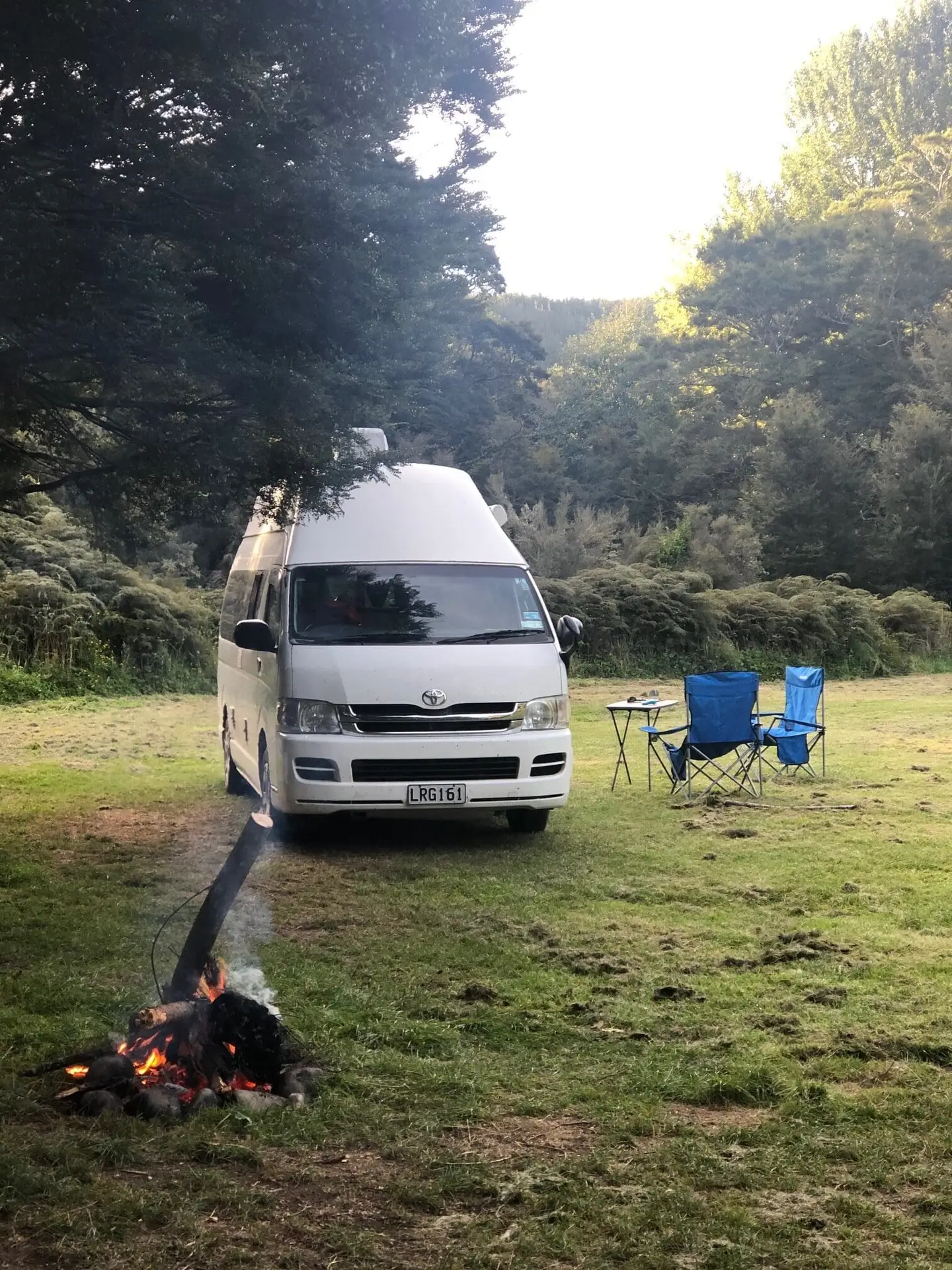
You notice it quickly when travelling alone in New Zealand by campervan – the days feel bigger. A short walk turns into a full afternoon. A lookout becomes your dinner spot. And because you are not working around anyone else’s timetable, a solo-traveller campervan trip in New Zealand can be one of the easiest ways to see more while feeling less rushed.
That freedom is the big draw, but solo travel also changes what matters in a vehicle. Space is useful, but simplicity matters more. A flashy setup can look appealing online, yet if it is awkward to park, expensive to run or harder to keep organised, it starts to feel like work. For one person, the best campervan is usually the one that feels easy from the first day.
Why a solo traveler campervan New Zealand trip works so well
New Zealand suits independent road travel better than many destinations. Distances are manageable, the scenery changes quickly, and there are plenty of places where stopping for the night feels like part of the experience rather than an interruption between activities. You can wake near a beach, spend the afternoon in the hills and finish the day beside a lake without packing and unpacking at every stop.
For solo travellers, that flexibility has practical value as well as emotional appeal. Since you are not splitting costs with another person, you need to watch the budget more closely. At the same time, you are fully in charge of your route, your meal stops and how long you stay anywhere. A campervan gives you control over both spending and pace.
It also offers a sense of comfort that matters when you are on your own. Having your bed, cooking gear, storage and shelter with you means fewer moving parts. If the weather turns, if a town feels too busy, or if you want a quiet evening, you can settle in without needing to search for last-minute accommodation.
Choosing the right campervan when travelling solo
If you are travelling alone, bigger is not automatically better. A large motorhome may seem more comfortable in theory, but on narrow roads, busy town centres and winding coastal routes, it can be tiring to drive. It also usually costs more in fuel, ferry fees and nightly campground charges.
A compact campervan tends to suit solo travellers far better. It is easier to handle, easier to reverse, and less stressful in supermarket car parks or small holiday towns. That difference becomes more obvious after a week or two on the road.
What matters most is the layout. You want a proper bed that is simple to set up, enough room to sit inside comfortably when the weather is poor, and practical storage so your bags, food and clothing do not end up spread everywhere. Heating is worth having, especially outside peak summer. A fridge, a dual-battery system, and solar support also make a real difference if you plan to stay independent for longer stretches.
An interior walkthrough is another feature many solo travellers appreciate more than they expect. Being able to move between the cab and living space without stepping outside is convenient in the rain, on cold mornings, and at isolated overnight spots.
Budgeting without making the trip feel tight
Solo travel in a campervan can be affordable, but only if you are realistic about where the money goes. The daily hire rate is just one part of the picture. Petrol, ferry crossings, campsites, food and paid activities can add up quickly if you try to cover too much ground.
The easiest way to keep costs under control is to slow down. Long driving days burn fuel and energy, and they often lead to more spending on coffee stops, takeaway meals and one-night stays. Staying two nights in places you genuinely want to see is usually better value than racing through five regions in six days.
Cooking for yourself can be very helpful, especially when travelling alone. Even a simple lunch and evening meal in the van can make a noticeable difference over a few weeks. A compact campervan with a practical kitchen setup supports that style of travel much better than relying on cafés and convenience food.
It is also worth being honest about what level of comfort you want. A cheaper rental is not always a better value if it is older, less reliable or poorly equipped for cool weather. Paying a fair rate for a clean, well-maintained van with good support behind it often saves money and stress later.
Staying safe when you are on your own
Solo travel in New Zealand is generally straightforward, but being on your own means small choices matter more. Most safety is not about dramatic situations. It is about avoiding fatigue, staying aware of road conditions and giving yourself enough margin in the day.
New Zealand roads can be slower than they look on a map. There are plenty of winding sections, one-lane bridges and rural stretches where driving takes more concentration than expected. For solo travellers, this means shorter driving days are usually the smarter option. If you are tired, stop early. You do not need to prove anything by arriving late.
Phone coverage can be patchy in remote areas, so let someone know your rough plan if you are heading to an isolated area. Keep your vehicle fuelled before long stretches, carry water, and do not leave basic meals until the last minute in small towns where shops may shut earlier than you expect.
When choosing overnight spots, trust your instincts. Many travellers enjoy the freedom of self-contained travel, but freedom works best when paired with common sense. If a place feels exposed, noisy or uncomfortable, move on. Good sleep matters more than a perfect view.
Where solo campervan travel feels easiest
A lot depends on your travel style. Some solo travellers want famous stops and social campgrounds. Others want quieter roads and space to think. New Zealand can do both, but your route should match your energy.
The North Island works well if you want a mix of coastline, geothermal areas, cities and manageable driving distances. It can feel more connected and easier for first-time visitors who want regular services and a broad range of stopovers.
The South Island often appeals more to travellers chasing dramatic landscapes and longer scenic drives. It can feel quieter and more spacious, which many solo travellers love, but it also demands more planning around weather, fuel and distance.
If you are undecided, start with something simpler rather than something bigger. A shorter route with room to change your mind is usually more enjoyable than an overplanned lap of both islands. If you collect your van in Auckland or Christchurch, allow enough time at your arrival point to settle into the vehicle before attempting long distances.
The small routines that make a big difference
Solo campervan travel becomes easier once you set up a few habits. Keep the driver’s area tidy, put things back in their places, and sort tomorrow’s clothes and breakfast before going to sleep. It sounds minor, but these routines reduce friction and make each day start better.
Try not to let your battery, water, groceries and energy levels all run low at once. Experienced travellers learn to top things up early. The same goes for your own capacity. On a solo trip, there is no one else to take over the driving, cooking, or decision-making, so rest is part of the plan, not a reward afterwards.
It also helps to leave room for the company without forcing it. Some days you may want a quiet DOC site or a beach walk with no conversation. Other days, you may prefer a holiday park kitchen or a social stop where chatting with other travellers comes naturally. Solo travel works best when you can choose both.
Why support matters more for solo travellers
When you hire a campervan on your own, clear communication matters. You want to understand how everything works before you leave, from power and heating to water and bedding. You also want to know there is proper support if something goes wrong on the road.
That is one reason many travellers prefer a smaller, experienced operator over a large, impersonal fleet. Good service is not just a friendly pickup. It is a vehicle that has been properly prepared, practical advice based on real New Zealand driving, and the confidence that if you call with a question, someone will actually help.
For solo travellers especially, that reassurance can shape the whole trip. BANZ Travelcars has built its reputation around a more personal style of campervan hire, with practical vehicles that are easy to live in and that offer support that feels human rather than scripted.
The best solo campervan trips are rarely the ones packed with the most stops. They are the ones where the van feels right, the road never feels rushed, and you finish the day thinking you had exactly enough space, time and freedom to enjoy where you are.