When you first look at New Zealand on a map, you quickly see how much you want to fit into one trip. Maybe you picture a few nights by the coast, a slow drive through the South Island, or camping with a mountain view. That is when the choice between a small campervan and a motorhome in New Zealand really matters, because your vehicle sets the pace for your whole journey.
For many travellers, it is not about getting the biggest vehicle possible. It is about finding the right mix of comfort, confidence on the road, and the freedom to explore as you wish. In New Zealand, that balance is often more important than size.
Small campervan vs motorhome in New Zealand: what is the real difference?
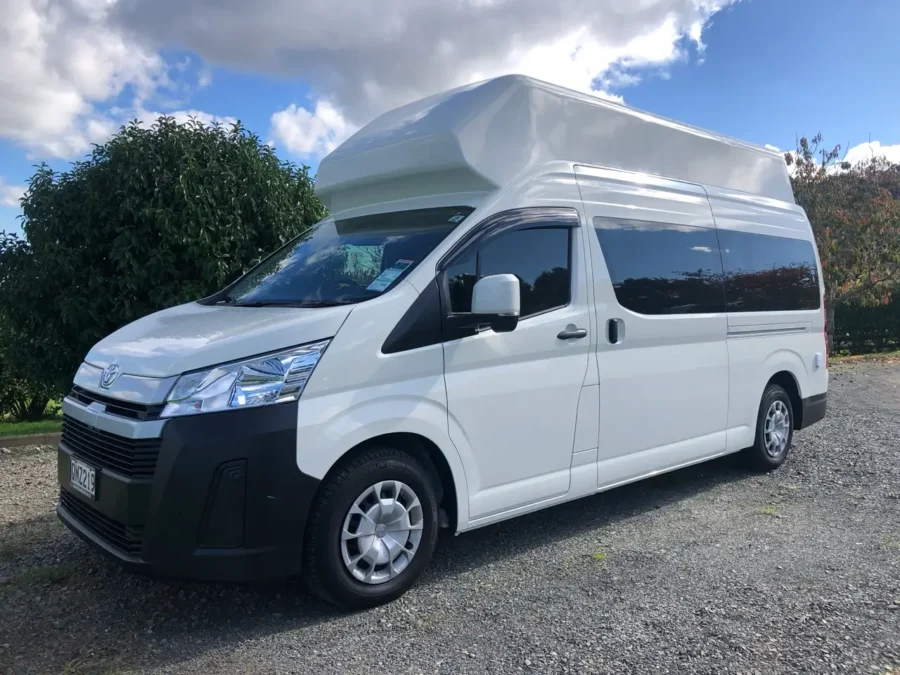
A small campervan is designed for simple, practical travel. It usually fits one or two people, drives like a regular van, and has a basic but useful living space. A motorhome is bigger and taller, with more features, such as a separate dining area, a full kitchen, and its own toilet and shower.
This might seem simple, but the real difference appears when you are actually travelling. A small campervan is usually easier to park, easier to drive on narrow roads, and uses less fuel. A motorhome gives you more space inside and separates the driving and living areas, but it can feel less flexible, especially if you move around a lot.
If your trip is about seeing a lot, stopping whenever you like, and keeping costs down, the smaller option often works better than you might think.
Why campervan and motorhome size feels different in New Zealand
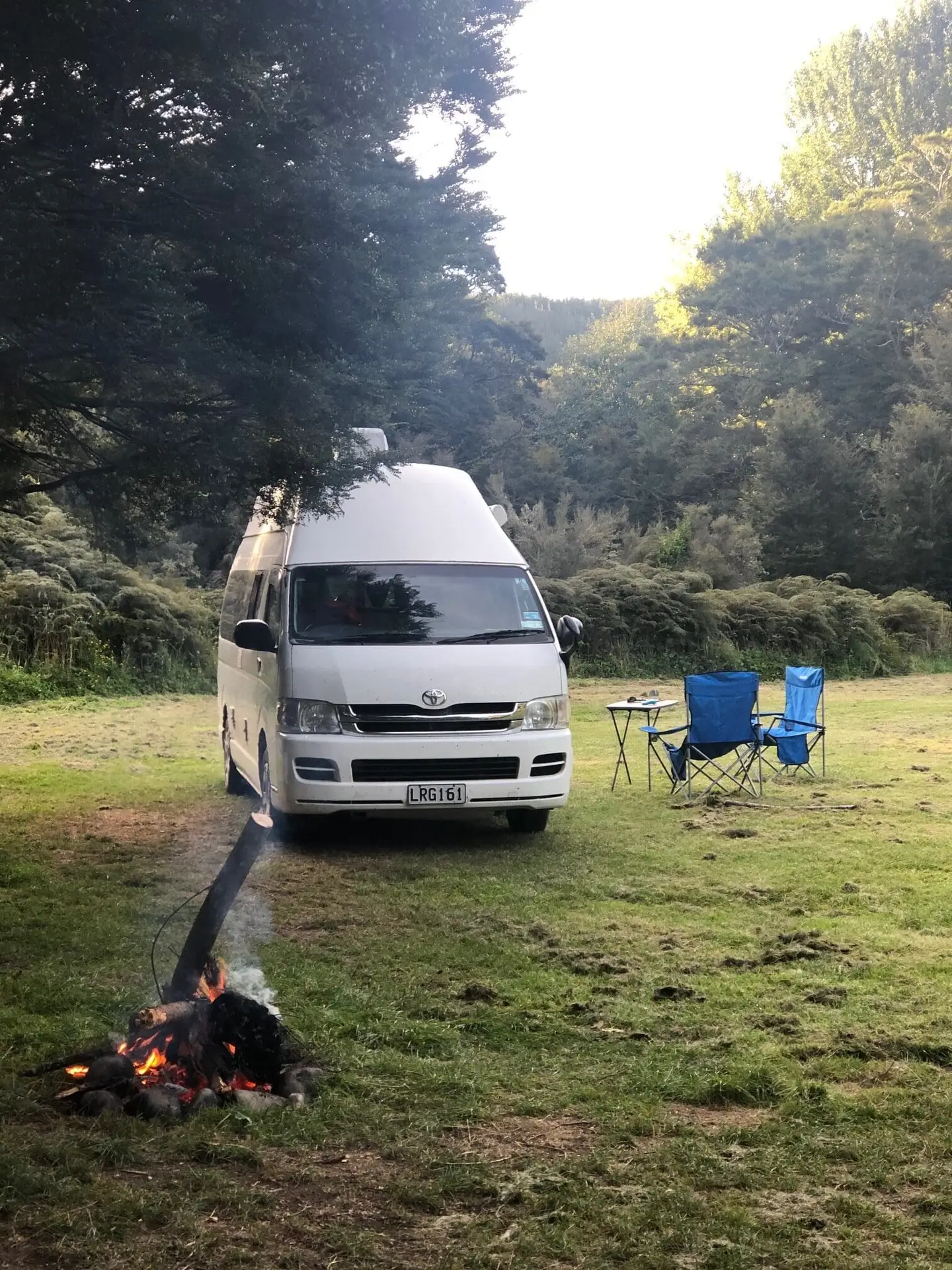
New Zealand is best for travellers who stay flexible. You could spend the morning in a city, the afternoon on a winding country road, and the evening at a small campground. Roads are often narrow, the weather can change quickly, and some great spots aren’t suited to large vehicles.
That is why a big motorhome is not always the best choice. More space inside sounds great, but it comes with downsides. Extra height, length, and a wider turning circle can make driving more difficult, especially if you are not used to large vehicles or to driving on the left.
A small campervan often fits how most visitors travel here. It keeps you flexible without losing the basics. For couples and solo travellers, this can make the trip much more relaxed.
Driving and parking: where a small campervan in New Zealand often wins
This is often what really matters once you look past the brochure photos. A small campervan is just easier to handle every day. You can take corners with confidence, fit into regular parking spots, and worry less about low bridges, tight town centres, or tricky supermarket parking.
This is more important than many people realise. Every time you stop for groceries, pull over to see the view, or arrive late at a campground, you deal with the practical side of your vehicle. If it feels easy to handle, your whole trip runs more smoothly.
A motorhome can still be a good choice, especially if you want to stay in one place for longer and are comfortable driving a bigger vehicle. But if you plan to move often or want a simpler holiday, a smaller campervan clearly has the edge.
If you’re new to driving here, it’s worth checking the official NZ Transport Agency guidance for visiting drivers so you know what to expect from New Zealand’s narrow, winding roads and driving on the left.
Cost is not just the daily campervan or motorhome hire rate
When people compare a small campervan and a motorhome, they often look at the rental price first. That makes sense, but it is only part of the story. The real cost also includes fuel, campsite choices, ferry fees (if needed), and the level of flexibility you have during your trip.
A small campervan usually costs less to rent and run. It uses less fuel and often offers more options for comfortable stops. If you are travelling for several weeks, these savings add up fast.
A motorhome can be worth the higher price if you really need the extra space or features. Families and bigger groups often do. But for one or two people, paying for space you do not use can be hard to justify, especially since you will likely spend more time outside than inside in New Zealand.
Comfort: more space in a motorhome does not always mean better travel
This is where honesty helps. A motorhome does give you more space to move around. On a rainy day, that extra room can feel great. If you want to stand up fully, have a separate cooking area, and keep things spread out, a motorhome is appealing.
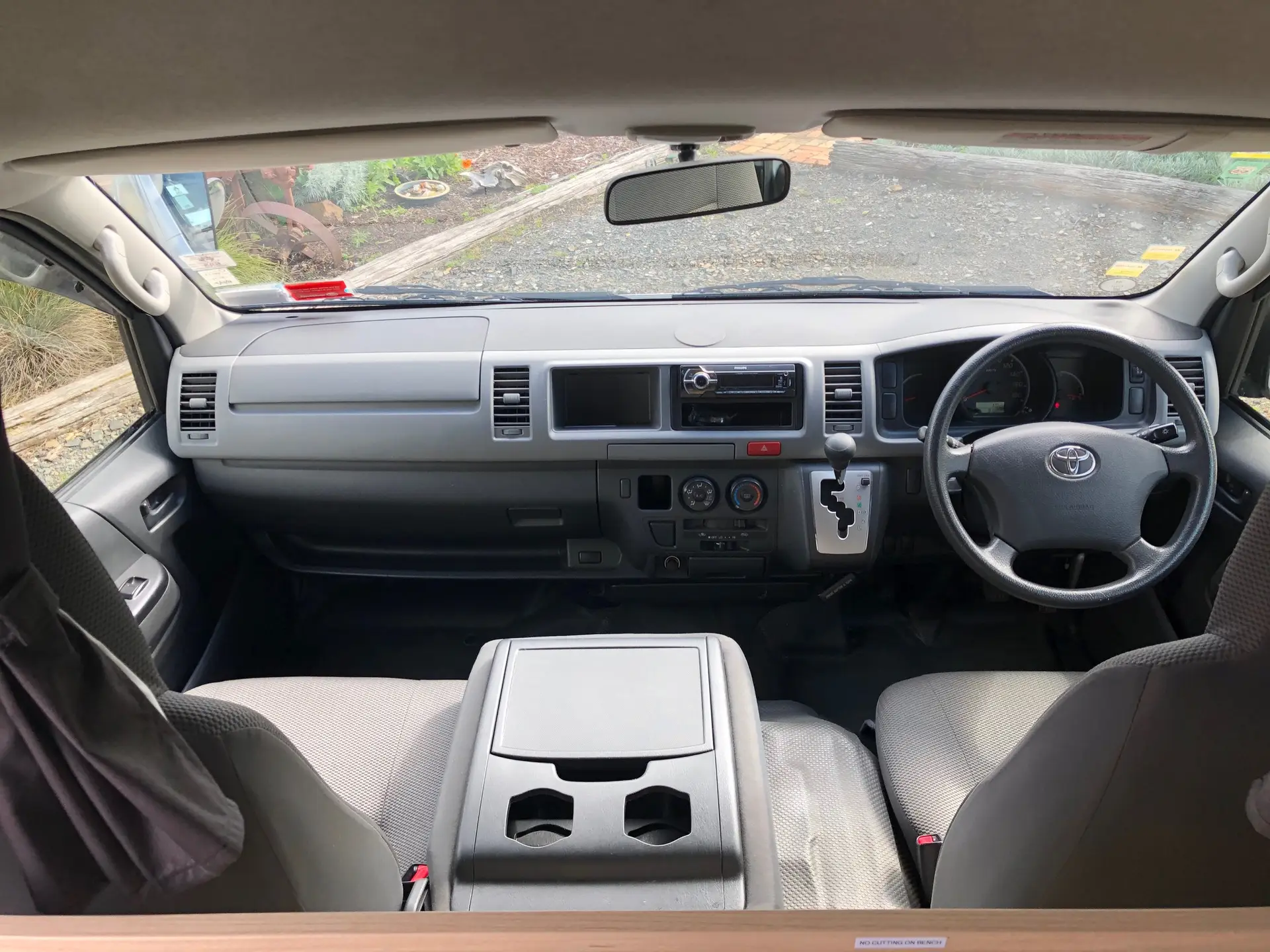
But comfort is not just about space. It is also about how easy the vehicle is to use. A well-designed small campervan can feel very comfortable because everything is close by, the layout is simple, and you are not dealing with a big, heavy vehicle every time you drive.
For two people who travel well together, compact does not have to mean cramped. In fact, many travellers prefer a smaller setup once they see how much time they spend walking, sightseeing, or relaxing on the beach rather than staying inside.
Camping flexibility and self-contained campervan travel in New Zealand
For travellers who want to enjoy New Zealand’s camping options, the setup is more important than just size. What matters most is whether the vehicle is well equipped for practical, self-contained travel. Good power, heating, storage, ventilation, and smart interior design matter more than just picking the biggest van.
A small campervan with a smart layout can be better for touring than a bigger motorhome with a less practical setup. Features like solar panels, dual batteries, a fridge, good insulation, and a walkthrough interior can make daily travel much more comfortable, without the downsides of a large vehicle.
You can also explore the Department of Conservation’s campervan campsites, which show where different types of campervans and motorhomes can stay on public conservation land.
Who should choose a small campervan in New Zealand?
A small campervan is usually best for couples, solo travellers, backpackers, and people staying longer who want to travel smart, not big. If you want easy driving, lower costs, and the freedom to change plans at a moment’s notice, this is a good choice.
It is also a good option if you are coming from overseas and want an easier start on New Zealand roads. Beginning with a vehicle that feels easy to handle can really boost your confidence, especially in the first few days.
Travellers doing a classic road trip from Auckland or Christchurch often find a compact campervan is all they need. You still get the freedom of a self-drive holiday, but with fewer trade-offs for parking, fuel, and daily convenience.
Who should choose a motorhome in New Zealand?
A motorhome is a better choice when you really need more indoor space. If you are travelling with more than two people, have lots of gear, or plan to stay parked for long periods, the extra room can be worth the higher cost and added complexity.
It also suits travellers who really want a full bathroom setup and do not mind adjusting their route or pace to accommodate a larger vehicle. Some people are happy to trade flexibility for more comfort inside.
The main thing is to be honest about how you like to travel. If you see yourself driving short distances, staying in one place for a few nights, and enjoying the living space as much as the scenery, a motorhome could be the right choice.
If you’re still weighing up what you’ll feel comfortable driving, this quick guide to New Zealand road rules for visitors is a handy reference before you decide between a small campervan and a motorhome.
The better question to ask
Instead of asking which vehicle is better overall, think about which one fits your style of travel in New Zealand. If you want easy detours, simple parking, lower fuel costs, and a vehicle that feels comfortable right away, a small campervan in New Zealand is likely the best option. If your trip is slower, more focused on staying in one place, and you want more indoor space, a motorhome might be worth it.
Most people do not regret picking a vehicle that is easy to use. They regret choosing one that looked impressive but made daily travel harder than it had to be.
The best road trips are not about having the most space. They are about having the right amount of space and the confidence to keep exploring when the road ahead looks inviting.