Petrol can quietly become one of the biggest moving parts in a road trip budget. You lock in the campervan, map out the beaches, mountains and small towns, then realise fuel costs can shift quite a bit depending on where you go, how far you drive and what sort of vehicle you choose. That is exactly why a campervan fuel costs guide matters – not to spoil the adventure, but to help you plan it with fewer surprises.
For most travellers in New Zealand, fuel spending is less about a single scary number and more about a series of small decisions that add up over time. Drive a compact, well-maintained campervan, keep your distances sensible and avoid unnecessary detours, and your budget usually stays manageable. Choose a larger, heavier vehicle, cover long stretches every day, and spend time in remote areas where fuel prices are higher; the total climbs quickly.
A practical campervan fuel costs guide for New Zealand
The first thing to understand is that there is no single daily fuel cost that fits everyone. A couple touring slowly through the South Island and staying two or three nights in each spot will have a very different experience from someone trying to see both islands in ten days. The route matters. The season matters. Even your driving style matters.
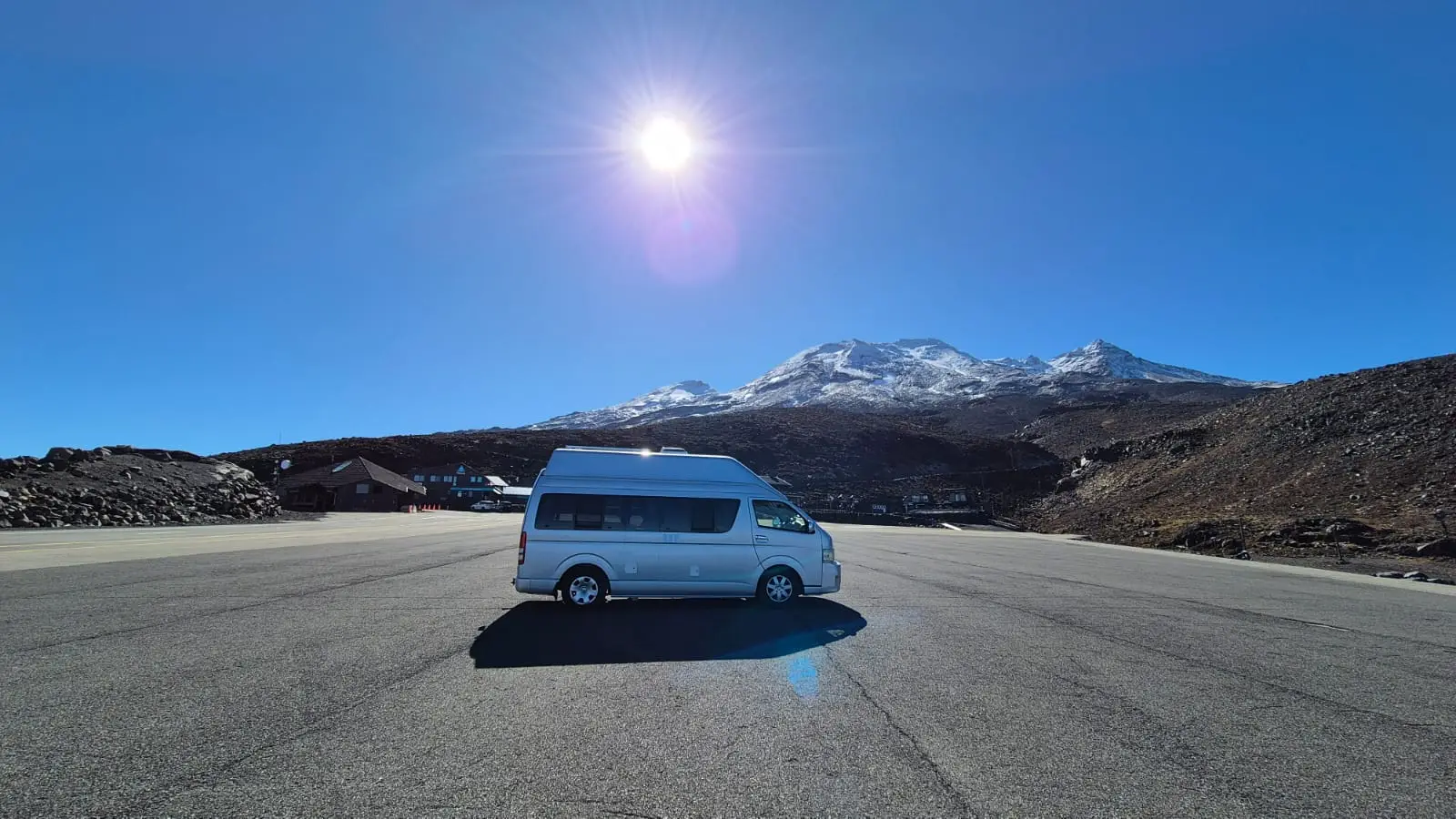
In New Zealand, many small campervans are based on practical vans such as the Toyota Hiace, which are generally more fuel-efficient than larger motorhomes. That makes a real difference for independent travellers who want the freedom of a camper without paying for space they do not need. A smaller van is also easier to park, easier to handle on narrow roads and often less tiring to drive over longer distances.
As a rough working budget, many travellers do well by estimating fuel based on kilometres driven per day rather than guessing a flat total for the whole trip. If you expect to drive 100 to 200 kilometres on a typical day, your fuel spend will often feel reasonable. Once you start pushing beyond that day after day, the costs rise noticeably, and so does driver fatigue.
What affects campervan fuel costs most?
Distance is the obvious factor, but it is only part of the story. Vehicle size and weight directly affect fuel use. A compact two-berth campervan generally uses less petrol than a large motorhome, which is taller, heavier and more wind-resistant. That is one reason many couples and solo travellers prefer a smaller setup. You get the essentials without paying extra for every kilometre.
Road conditions also play a bigger role than some visitors expect. New Zealand has beautiful drives, but not all of them are flat or fast. Hilly terrain, winding coastal roads and regular stops all use more fuel than steady highway cruising. A route that looks short on the map can still take time and use more petrol than expected.
Fuel prices also vary by region. Main centres usually offer more choice and sometimes better pricing, while remote towns and popular tourist routes can be more expensive. Some areas, such as the West Coast of the South Island and the Coromandel Peninsula, are known for noticeably higher fuel costs due to their isolation and popularity with travellers. If your itinerary includes stops in regions like these or other isolated parts of the country, it is wise to allow a bit more in the budget. You do not want to be watching the fuel gauge and hoping the next town is cheaper.
Then there is the human factor. Hard acceleration, late braking, and driving at high speeds can all increase fuel use. The difference may not seem dramatic over the course of one day, but over two or three weeks it can be substantial.
Smaller campervans usually make budgeting easier
This is where vehicle choice really matters. A compact campervan is not only cheaper to run on fuel but also makes the whole trip more flexible. You are more likely to take the scenic road without worrying about every extra kilometre. You are less likely to stress about running out of gas in remote areas. And because the vehicle is simpler to manage, many travellers feel more confident from the start.
That is especially relevant if you are travelling as a couple or solo and do not need a large motorhome. More space sounds appealing in theory, but if you are mostly outdoors enjoying New Zealand and simply need a comfortable, reliable base each night, smaller is often the better financial choice.
How to estimate your own fuel budget
A good campervan fuel costs guide should help you build a realistic budget, not just throw out averages. The easiest way is to start with your route. Look at how many kilometres you are actually likely to drive, not the dream version of the trip where you somehow fit in everything.
If you are arriving in Auckland or Christchurch and planning a loop, map the major stops first. Then add sensible day-trip distances and a little extra for supermarket runs, short scenic detours and the occasional wrong turn. Once you have a rough total distance, you can estimate fuel costs based on the campervan’s expected fuel economy and current petrol prices. As a general guide, small campervans in New Zealand typically consume 9 to 12 litres of fuel per 100 kilometres, while larger campervans or motorhomes often use 14 to 18 litres per 100 kilometres. By multiplying your estimated distance by the relevant fuel consumption rate and the current petrol price, you can create a realistic budget that fits your travel style and vehicle choice.
If maths is not your idea of holiday fun, keep it simple. Build a daily allowance based on moderate driving, then increase it for long transfer days or remote regions. It is much better to overestimate slightly than to arrive halfway through the trip and realise your food and activity budget has been eaten by petrol.
A simple way to think about daily costs
For many travellers, daily fuel costs fall into a comfortable middle ground when the itinerary is well-paced. If you drive shorter distances and stay longer in each place, your fuel spend may feel surprisingly reasonable. If you try to cover the length of the country at speed, you will pay for it.
That trade-off is worth thinking about. The cheapest road trip is not always the one with the lowest rental rate. Sometimes the better value comes from a fuel-efficient van and a relaxed route that lets you enjoy the places you came to see.
Practical ways to keep fuel costs down
The easiest way to save is to drive less, but that does not mean seeing less. New Zealand rewards slower travel. Staying two nights instead of one often means lower fuel costs, less time spent repacking, and more time to actually enjoy a beach walk, a lake, or a small-town bakery.
Keeping your speed steady helps too. On open roads, smooth driving is usually more efficient than constantly speeding up and slowing down. The same goes for anticipating corners, hills and traffic. It is easier on the vehicle, easier on your nerves and kinder to the fuel budget.
Try not to carry more than you need. In a campervan, clutter builds quickly. Extra gear, extra food and extra water all add weight. You do not need to travel like a minimalist, but you also do not need half your luggage untouched in the back for three weeks.
It also pays to fill up before heading into remote areas. Waiting until the tank is nearly empty can leave you buying fuel at the first available stop rather than the best-priced one. A bit of forward planning gives you more choice. To help with this, consider using a fuel price app like Gaspy, which is popular in New Zealand. Apps like this let you check current fuel prices along your route and plan your refuelling stops to get the best deal, especially important when petrol costs are higher in remote or tourist-heavy areas.
And choose the right campervan from the beginning. A clean, well-maintained vehicle with a sensible layout and efficient size can save more than people expect over a longer trip. That is one of the reasons many travellers seeking value lean towards smaller, owner-managed fleets rather than oversized options designed for different travel styles.
When higher fuel costs are worth it
Not every extra kilometre is a mistake. Some drives in New Zealand are the highlight of the trip, and a few travellers regret spending a bit more on petrol for a truly memorable route. The key is to spend on the drives that enhance your experience, not on rushed backtracking or overly ambitious schedules.
If a scenic detour takes you somewhere special, it may be well worth it. If you are driving five extra hours just to tick off another place name before dark, probably not. Fuel budgeting works best when it supports the trip you actually want, rather than pushing you into doing everything as cheaply as possible.
That balance is important. A road trip should still feel like freedom. Good planning simply gives that freedom a realistic framework.
The real takeaway from any campervan fuel costs guide
Fuel is one of the easier travel costs to manage once you stop treating it like a mystery. Pick a campervan that suits how you travel, build a route with breathing room, and factor in that New Zealand roads are beautiful but not always quick. If you do that, petrol becomes a manageable part of the trip rather than an ongoing worry.
At BANZ Travelcars, we have seen for years that travellers are happiest when their vehicle matches their plans. A practical campervan, a realistic itinerary, and a bit of local common sense usually lead to the same result: more comfort on the road, better value overall, and more space to enjoy the journey as it unfolds.
If you are budgeting now, keep it simple: drive a little less, stay a little longer, and let the best parts of New Zealand come to you.