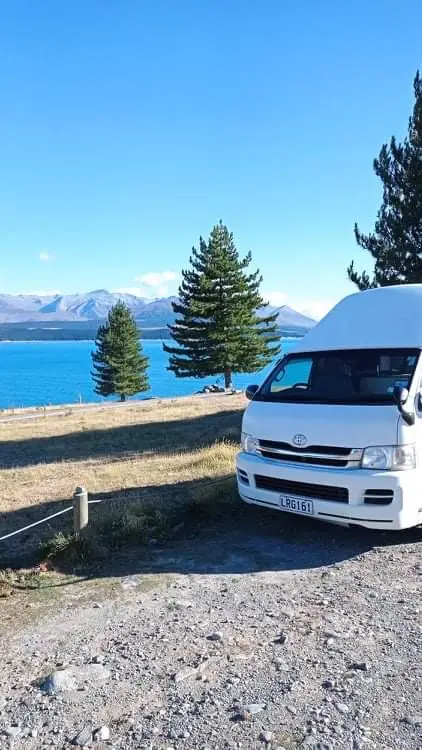
You can spot a well-planned New Zealand road trip on the first rainy night. One traveller is still driving around, searching for a legal place to park. Another is already settled in, has cooked dinner, charged their phone, and turned on the heater. That’s the real difference in a freedom-camping campervan trip in NZ: it’s not just about where you sleep, but about how ready you are to travel comfortably and legally.
Freedom camping sounds simple, and in some ways it is. New Zealand gives you the chance to explore coastlines, lakes, mountain towns, and quiet places that are hard to reach if you stick to a set schedule. But there are rules and local restrictions, and there’s a big difference between a basic van and one that’s really set up for independent travel. If you want freedom without stress, paying attention to the details matters.
What freedom camping in NZ actually means
In New Zealand, freedom camping usually means spending the night somewhere that isn’t a commercial holiday park or campground. This could be a designated council area, a Department of Conservation site that allows self-contained vehicles, or another public place where overnight parking is allowed.
The most important thing to remember is that freedom camping doesn’t mean you can park anywhere. Rules change from one district to the next. Some places welcome self-contained campervans in certain areas, while others ban overnight stays or set limits based on the season, type of vehicle, or number of nights.
This is where many visitors get caught out. They hear that New Zealand is great for freedom camping, and that’s true, but they assume the same rules apply everywhere. That’s not the case. A good trip means reading local signs, knowing your vehicle’s setup, and being realistic about where you can stay.
Why your campervan setup matters more than most people expect
If you’re planning a freedom camping campervan holiday in New Zealand, the van you pick can make your trip easy or frustrating. Two campervans might look similar on paper, but once you’re on the road, they can feel very different.
A good freedom camping vehicle is more than just a bed on wheels. You’ll need reliable dual batteries, enough storage for your food and gear, a practical cooking area, and a layout that still works when the weather turns bad. Solar panels are helpful. A fridge is important. Heating makes a big difference outside of summer. Having a walkthrough or crawlthrough interior is also more useful than many first-time renters expect, especially when you want to move around without stepping out into the wind and rain.
Size matters too. Bigger isn’t always better in New Zealand. Many travellers think a larger motorhome will be more comfortable, but there are trade-offs. Narrow roads, scenic stops, beach-town parking, and winding mountain routes are often easier with a compact campervan. For couples and solo travellers, a smaller, well-designed van often gives a better balance of comfort, cost, and ease of driving.
Self-contained rules and why they matter
One of the most important things to check is whether your campervan meets New Zealand’s self-contained requirements. This is what lets you stay in many freedom camping areas set aside for responsible overnight stays.
A self-contained campervan is designed so you can meet basic living needs without relying on public facilities. This usually means having fresh water, wastewater storage, and a toilet setup that meets current standards. If a place requires a certified self-contained vehicle, showing up in a basic sleeper van probably won’t work out.
It’s not just about avoiding fines. It’s about having a vehicle that matches how you want to travel. If you plan to stay in remote areas or arrive late, having the right setup makes everything easier.
The freedom camping habits that make the biggest difference
The travellers who enjoy freedom camping the most aren’t usually chasing the most dramatic social media spots. They’re the ones who build good habits from the beginning.
Arriving before dark helps more than most people realise. You can check the signs properly, make sure the ground is suitable, and avoid the stress of searching when you’re tired. Keeping your freshwater topped up and managing wastewater are just as important. Shopping ahead in smaller towns also helps, since remote areas can be beautiful but not always convenient.
It also helps to plan a day ahead rather than just an hour. If tomorrow involves a long drive, a ferry crossing, or a visit to a national park, pick tonight’s stop with that in mind. Freedom isn’t about leaving everything to chance. It’s about having enough flexibility because you’ve already sorted out the basics.
Where travellers get freedom camping wrong
Many problems come from assumptions. Some travellers think every scenic parking area allows overnight stays. Others believe that if another van is parked there, it must be legal. Neither is a safe bet.
Another common mistake is picking a van just because it’s cheap. Low prices can seem appealing at first, but if the van doesn’t have good storage, reliable power, heating, or proper self-contained features, you might end up paying in other ways. You might need more paid campgrounds, have to replace spoiled food, or feel forced to take shorter driving days because the van isn’t comfortable enough to use on its own.
Season matters too. Freedom camping in midsummer is one thing, but doing it in spring or autumn is different. Spring and autumn can be great times to travel because the roads are quieter and prices might be better, but the weather can be less forgiving. Colder nights, more rain, and shorter days make a well-equipped campervan much more valuable.
Choosing the right campervan for a freedom camping NZ trip
The right vehicle depends on your travel style. If you’re a couple planning a few nights between holiday parks, your needs are different from someone spending weeks on the road and trying to stay independent as much as possible.
For many travellers, especially couples and solo visitors, a compact Toyota Hiace-style campervan is a smart choice for New Zealand. It’s easier to drive than a big motorhome, easier to park in towns and scenic spots, and usually better on fuel. But the quality of the conversion matters. A good interior layout, proper ventilation, usable kitchen space, and reliable power systems are what make a practical van comfortable.
This is also where experience from a specialist rental company makes a difference. A family-run business like BANZ Travelcars knows what really helps on a New Zealand road trip because they’re built around these routes, these conditions, and this way of travelling. You’ll notice it in the small details, like airport support, honest advice, well-maintained vehicles, and a proper handover so you know how everything works before you set off.
Planning around regions, not just routes
One of the best ways to improve your freedom camping trip is to stop focusing only on famous stops and start thinking in terms of regions. A short list of must-see places might sound efficient, but it can lead to too much driving and too many late arrivals.
Instead, give yourself time in each area. Spend a few days exploring a coastline, a lake district, or a group of small towns. This approach gives you more flexibility if the weather changes or a planned overnight stop is full. It also makes freedom camping feel more relaxed because you’re not always racing the clock.
This matters whether you start in Auckland or Christchurch. Both are great starting points for longer self-drive trips, but the best experience usually comes from keeping your daily distances realistic and leaving room for surprises.
Comfort is part of freedom
People often talk about freedom camping as if it’s just about saving money. Cost is part of it, but comfort matters just as much. If your bed is hard to set up, your storage is messy, your batteries run low, and your cooking space barely works, the trip can start to feel less enjoyable very quickly.
Real freedom means being able to stop for the night and know your van will do what you need. You can make a meal, stay warm, charge your devices, and sleep well enough to enjoy the next day. That’s why choosing the right campervan isn’t a minor detail. It shapes the whole rhythm of your trip.
The best freedom camping experience in a campervan in New Zealand usually comes from a simple mix: a legal, well-equipped vehicle, some planning, and realistic expectations. New Zealand rewards independent travellers, but it rewards prepared travellers even more.
If you give yourself that foundation, the road starts to feel much more open, and the good nights become the rule rather than just a lucky exception.
For more detailed guidance on planning a legal, comfortable trip, see Tourism New Zealand. “Responsible Camping.” NewZealand.com. https://www.newzealand.com/nz/feature/responsible-camping/.