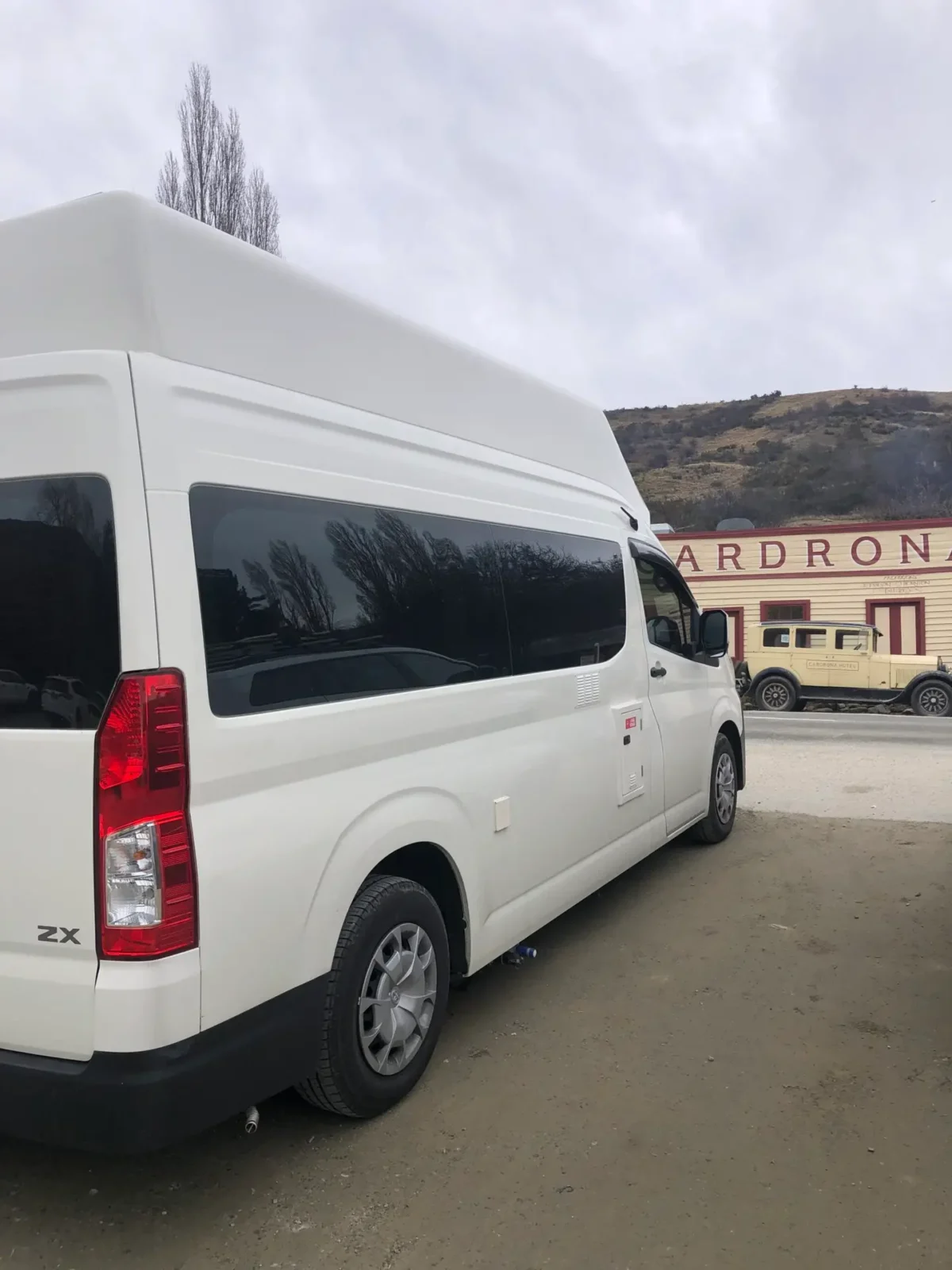
A campervan might look perfect in photos, but it can still cause problems just a few days into your New Zealand road trip. Issues like a flat battery, a fridge that does not keep things cold, or tyres with uneven wear can turn a relaxed road trip into a series of unnecessary delays. This is why campervan maintenance and reliability are so important—not just as sales talk, but as the real difference between travelling freely and spending your holiday waiting for help.
For most travellers, reliability is not just about whether a van can last another year. It is about whether it starts easily on a cold morning, keeps your food cold, charges your devices, handles long drives comfortably, and deals with the ups and downs of real travel. Good maintenance makes all of this possible, often quietly in the background, and usually only noticed when something fails.
What campervan maintenance and reliability really mean
Many people think reliability just means the engine, but in a campervan it covers much more. The vehicle parts are important—engine, transmission, brakes, steering, suspension, tyres, and cooling system. But the living systems matter too. A reliable campervan also needs a good house battery, working lights, a reliable fridge, safe electrical wiring, safe gas or cooking equipment if fitted, and an interior that can handle constant travel on New Zealand roads.
This is one reason why smaller, proven campervan models often attract practical travellers. For example, a well-maintained Toyota Hiace conversion makes sense because the base vehicle is familiar, easy to service, and simpler to drive than a bigger motorhome. This does not mean every Hiace is always reliable. It just means you are starting with a good base, and regular maintenance is more likely to pay off.
Reliability also means being consistent. A van that only works well in perfect weather, only on powered sites, or only for short trips is not truly reliable for independent travel. If you want to freedom camp, travel long distances, or move every few days, you need systems that work every day, not just when you pick up the van.
Why small issues become big travel problems
On a regular car trip, a weak battery or noisy brakes are just annoying. In a campervan, these problems can affect both your transport and your sleeping place. If the charging system is not working, you might lose lights, fridge power, or phone charging, and also lose trust in the van. If a sliding door jams or a latch breaks, it is more than just a hassle—it affects your daily comfort.
Travelling in New Zealand brings extra challenges. You might drive from warm beaches to cold mountains in one day. Roads can be narrow, winding, and rough. Sometimes you will be parked far from any workshop. A reliable campervan must handle these changing conditions, not just smooth highways.
This is why preventive maintenance is more important than how new a van looks. A van that looks new is not always better if it has not been serviced well or if the interior was put together in a hurry. On the other hand, an older van that has been well cared for can be much more reliable.
The maintenance checks that matter most
A good approach to campervan maintenance and reliability starts with the basics, not extra gadgets. The engine should be serviced on time, and the cooling system needs careful attention because overheating can quickly ruin a trip. Brake condition, tyre age and tread, wheel alignment, and suspension wear all affect both safety and comfort.
Next are the camper-specific systems. Dual batteries should charge properly while you drive and last through the night without losing power too fast. Solar panels help, but only if the battery is managed well. Fridges need good ventilation and a steady power supply. Interior lights, USB ports, and 12V accessories should work without flickering or unexpectedly draining the battery.
Water and living equipment also need care. Pumps, taps, seals, catches, hinges, and storage fittings are easy to forget about, but they get used all the time. A van can run well yet still feel unreliable if cupboard doors swing open, bed frames rattle, or condensation builds up due to inadequate ventilation.
The goal is not perfection. Every campervan will show some signs of use. What matters is fixing wear and tear early, before it affects your trip.
How reliability shows up in everyday travel
You can often tell a well-maintained van within the first hour. It starts easily, steers straight, brakes smoothly, and does not fill the cabin with squeaks or rattles on bumpy roads. The fridge is already cold. The battery display is clear. Switches work as they should. Nothing feels thrown together.
That kind of reliability makes a big difference to your trip. You spend less time worrying about things breaking and more time choosing where to stop for the night. For couples and solo travellers, that peace of mind is important. A compact campervan should feel simple, not like a never-ending list of chores.
This is also where the rental company’s experience matters. Companies that look after their own vehicles carefully tend to spot problems sooner, such as which latch keeps coming loose, which battery lasts longer, or which layout holds up after heavy use. That kind of practical knowledge is hard to fake.
What to ask before booking
If you are looking at different rental options, it is worth asking directly about reliability. You do not need to be confrontational—just practical. Ask how often the vehicles are serviced, if the camper systems are checked between hires, and what support is available if something goes wrong while you are travelling.
It is also helpful to ask about the base vehicle and how old the interior fit-out is, not just the model year. Sometimes the best question is simply how the van is prepared before you pick it up. A good pre-trip check should include tyres, fluids, battery condition, lights, fridge, and interior equipment. If the answer is vague, that tells you a lot.
A detailed handover is important too. Reliable travel is not just about the van, but also about knowing how to use it properly. Many problems with batteries and appliances are caused by confusion rather than actual faults. Clear instructions for charging, heating, water use, and safe overnight setup help prevent these issues.
Reliability versus price
Budget is important. Most travellers want to balance cost, comfort, and independence. But the cheapest rental can end up costing more if it leads to lost time, changing campsites, spoiled food, or ruined plans. Reliability is part of the value, not something extra.
This does not mean you need the biggest or most luxurious vehicle. In fact, many travellers do better with a smaller, simpler van that has proven systems, rather than a large motorhome full of features they might not use. More equipment can mean more things that can go wrong. There is always a balance between convenience and complexity.
That is why a well-designed compact campervan is often the best choice. You get easier driving, better fuel economy, and fewer systems to worry about, while still having everything you need for a comfortable trip. For many journeys in New Zealand, this is the practical option.
The signs of a dependable rental operator
You can often spot a rental company that cares about maintenance by the details. Their information is clear, not just flashy. They can explain the vehicle systems in simple terms. They know what travellers really need on the road and do not promise perfection. Instead, they focus on good preparation, support, and honest expectations.
This approach works well for travel in New Zealand. Conditions change, plans shift, and no road trip goes exactly as planned. You want a campervan that has been well cared for and a team that sees reliability as part of customer service, not just workshop work. That is why experienced family-run companies like BANZ Travelcars are popular with independent travellers—the focus is on vehicles ready for real trips, supported by people who know what matters.
Choosing peace of mind over guesswork
When people look back on a campervan holiday, they rarely mention service schedules or battery health. They remember the lake they woke up next to, the freedom to change plans, and the confidence to keep going when the weather changed. Good maintenance made those moments possible, even if it was not obvious at the time.
So if you are comparing options, look beyond shiny photos and low prices. Ask how the van is maintained, how its systems are checked, and if the setup matches how you want to travel. A reliable campervan will not make New Zealand smaller, but it will make your journey feel much more open.