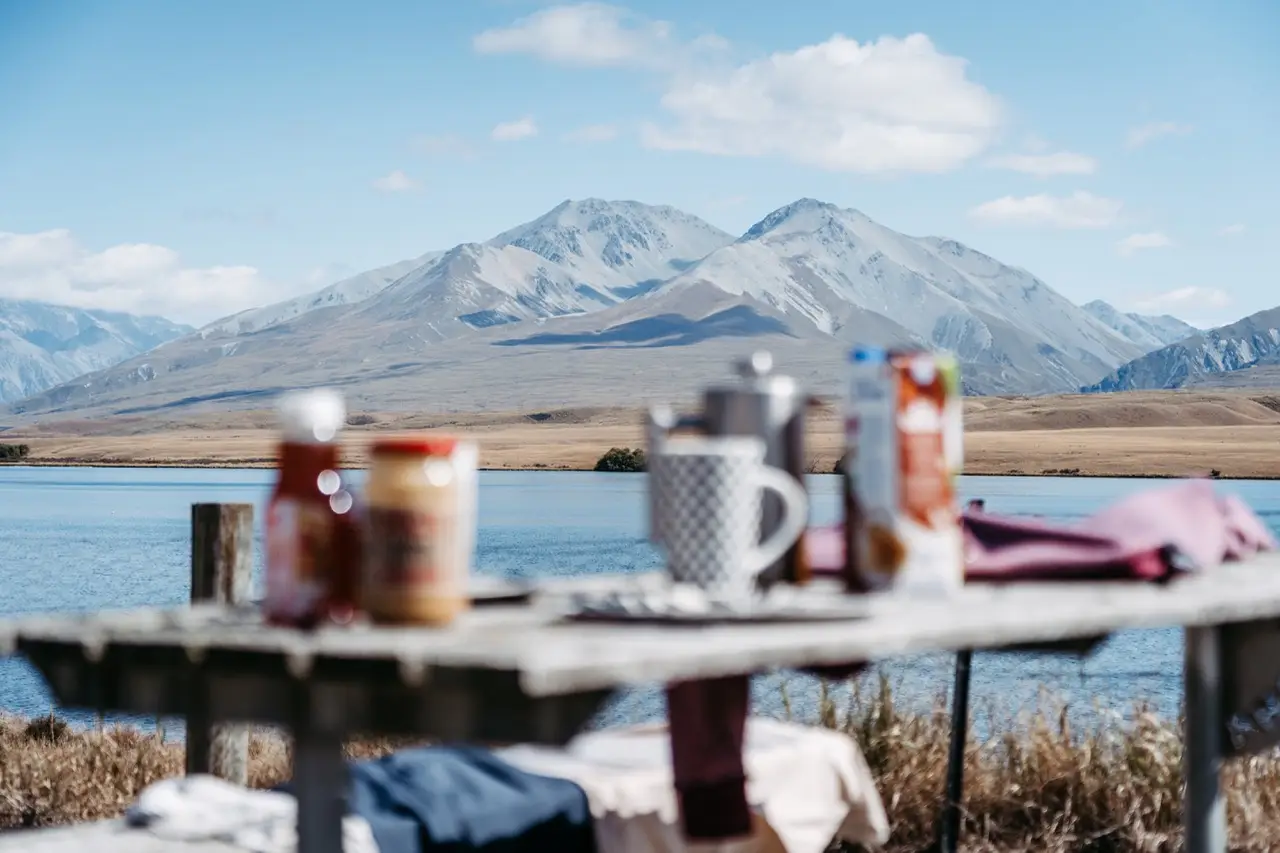
There’s a point on a New Zealand road trip when the plan stops mattering as much as the view outside the windscreen. You pull over for a late lunch, the lake is calmer than expected, the weather has shifted again, and suddenly the best part of the day is the bit you didn’t schedule. That’s exactly why backpackers campertravel New Zealand remains such a popular way to get around – it gives you freedom without forcing you into a shoestring experience.
For many travellers, especially couples, solo visitors and long-stay backpackers, a campervan sits in the sweet spot between budget, comfort and flexibility. You’re not locked into bus timetables, you’re not packing and unpacking every second night, and you don’t need to wrestle a huge motorhome through tight town streets or small holiday park entrances. If you choose well, you get something compact enough to drive with confidence and practical enough to live in for weeks.
Why backpackers campertravel New Zealand works so well
New Zealand is built for self-drive travel. Distances are manageable, scenery changes quickly, and some of the best places are the ones between major stops. A campervan lets you slow down where it matters and move on when you’re ready.
That matters even more for backpackers. Traditional backpacking often sounds cheap on paper, but once you add buses, hostels, meal costs and the odd last-minute change, the total can creep up fast. A small campervan can simplify the whole trip. Your transport and sleeping setup travel together, making your daily routine easier to manage.
There’s also the comfort factor. Backpacking doesn’t have to mean roughing it every night. A well-set-up campervan with proper bedding, cooking facilities, storage, ventilation and heating can make a long trip far more enjoyable, especially in cooler months or after a few wet days on the road. The difference between surviving a trip and enjoying it often comes down to those practical details.
The best campervan setup for backpackers
Not every van suits every traveller. For backpackers in New Zealand, bigger is not always better. A compact two-person van is often the smarter choice because it’s easier to park, simpler on narrow roads and generally more economical on petrol.
A good layout matters more than flashy extras. You want enough headroom to move comfortably, a bed that is quick to set up, sensible storage for bags and food, and a cooking area that doesn’t feel like an afterthought. A walk-through interior is especially useful in poor weather, because you can move around inside without constantly opening doors.
Power setup is another detail people underestimate. If you’re planning to stay flexible and use campsites selectively, a van with solar support and a reliable dual battery system makes life much easier. You can keep the lights, fridge, and devices running without depending on power sites every night. For backpackers trying to balance budget and convenience, that sort of self-sufficiency is worth its weight in gold.
Heating is similar. Some travellers assume they’ll only need extra warmth in winter, but New Zealand nights can feel cold at any time of year, especially inland or down south. A van with proper heating can change the whole tone of the trip.
Budgeting for backpackers campertravel New Zealand
The cheapest daily hire rate is not always the best value. When comparing options, it’s worth looking beyond the headline price and checking what’s actually included.
Transparent pricing makes a real difference. Bedding, kitchen gear, basic support items and airport or station pickup can save both money and hassle, particularly if you’re arriving from overseas and just want to get moving without extra errands. Fuel economy matters too. Over a longer trip, a compact van can be noticeably cheaper to run than a larger vehicle.
Then there’s the hidden cost problem. Extra insurance charges, equipment fees, one-way costs and cleaning add-ons can turn a bargain into a poor deal very quickly. Backpackers usually travel with a close eye on the budget, so clarity is just as valuable as a low rate.
It also helps to think in trip totals, not just per-day pricing. If your vehicle is comfortable enough to cook in, sleep in and travel in without stress, that can reduce spending in other areas. Paying slightly more for a van that works well often saves money across the full journey.
How to travel comfortably without overpacking
Backpackers tend to bring too much or too little. The trick with a campervan is bringing the right gear, not more.
Soft bags are easier to store than hard suitcases. Layers are better than bulky cold-weather items. A small daypack for walks and town stops saves you from dragging your whole setup everywhere. Keep your cooking gear simple and buy groceries as you go rather than loading up heavily at the start.
Storage discipline makes a difference after the first few days. If everything has a place, the van stays calmer to live in. That matters more than people expect. On a longer road trip, daily comfort often comes down to easy routines – where shoes go, where charging cables live, where wet jackets dry.
A practical van helps with that. Good storage, simple bed conversion and an uncluttered layout make everyday travel feel lighter.
Driving and road realities in New Zealand
This is where expectations need to match reality. New Zealand looks small on a map, but roads can be winding, weather changes quickly, and travel times are often longer than visitors expect.
A compact campervan gives backpackers an advantage here. It’s easier to handle on narrow roads, less intimidating in towns and generally simpler when reversing, parking or using smaller ferry and holiday park spaces. If you’re arriving from overseas and adjusting to driving on the left, that extra ease is worth having.
The best approach is to plan less distance and more time. Two or three shorter drives with room for stops usually feel better than one long haul. Fatigue is real, and scenic roads deserve more than a rushed look through the windscreen.
You also need to stay flexible. Rain can alter your plans. So can roadworks, local events or simply finding a place you want to stay longer. Camper travel works best when your itinerary has breathing room.
Freedom camping, campsites and smart planning
Freedom camping is part of the appeal, but it’s not a free-for-all. Rules vary by district, and they can change. Some areas welcome certified self-contained vehicles, while others have tighter restrictions or only designated spaces.
For backpackers, the sensible approach is a mix. Use freedom camping where it’s legal and practical, then balance that with holiday parks or campgrounds when you need showers, laundry, a powered site or a proper reset. Trying to save every dollar can backfire if it leaves you tired, cold or constantly searching for a place to stop before dark.
A well-equipped van gives you more options. If you’ve got a decent fridge, reliable power and the basics sorted, you can choose campsites because they suit your trip, not because you’re forced into them every night.
Choosing the right rental company matters
This is one of the biggest differences between a good trip and a frustrating one. Backpackers often focus on price first, but support, vehicle condition and honest advice matter just as much.
A smaller, experienced operator can be a real advantage. You’re more likely to get a proper handover, realistic guidance on routes and seasons, and help from someone who actually knows the vehicles. That can be especially reassuring if it’s your first campervan trip in New Zealand.
Cleanliness, maintenance and layout quality are not glamorous selling points, but they matter every day on the road. So does having someone available if something needs attention mid-trip. Companies such as BANZ Travelcars have built their reputation on exactly those practical details – well-maintained compact vans, clear communication and support that feels personal rather than scripted.
Making the most of the trip
The best backpackers campertravel New Zealand trips are rarely the ones with the longest route. They’re the ones that leave space for a swim you didn’t plan, a coastal town you almost skipped, or an extra night somewhere because the forecast finally cleared.
Travel light, choose a van that suits the real roads rather than the fantasy version of the trip, and don’t confuse budget travel with uncomfortable travel. A well-designed compact campervan gives you freedom, privacy, and enough comfort to keep enjoying the journey day after day.
If you get that balance right, New Zealand has a way of taking care of the rest.