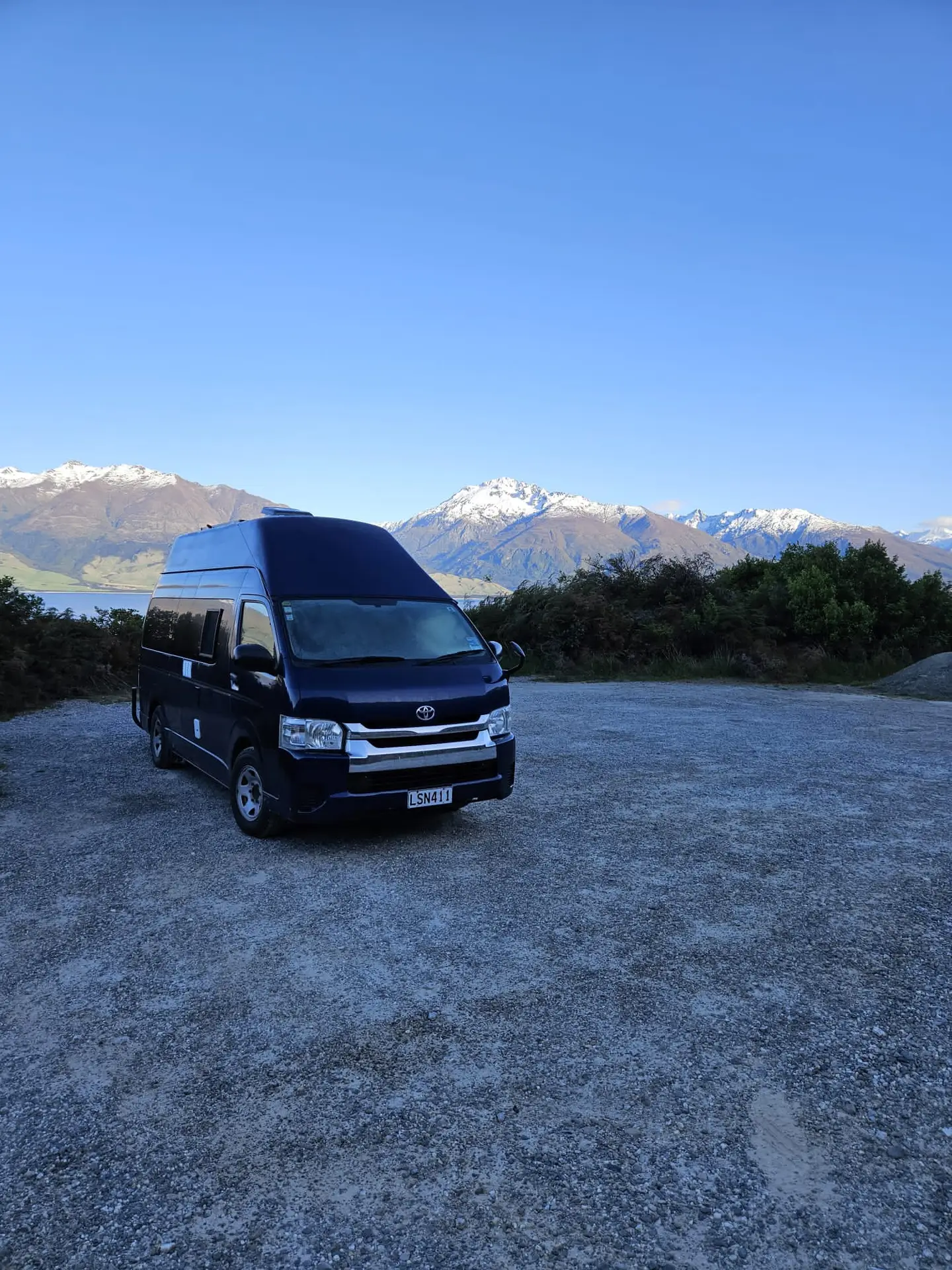
Many travellers think eight weeks in New Zealand is enough to see everything. It sounds reasonable, but weather, ferry crossings, errands, and longer stays can quickly change the plan. The best trips leave enough time to enjoy New Zealand, not just tick off destinations.
For independent travellers, two months is an ideal timeframe. It gives you time to explore both islands, adjust to campervan travel, and stay flexible. Some of New Zealand’s best moments are unplanned, such as staying another night by a lake, taking a coastal walk, or following a local’s tip.
How to plan a two-month trip across both islands of New Zealand
Your first decision is not where to begin, but how fast you want to travel. If you like a packed itinerary with frequent stops, you can cover a lot in eight weeks. If you prefer slower travel, more hikes, and longer stays, you will need to be selective. Trying to do both often leads to frustration.
A balanced two-month itinerary usually gives more time to the South Island than the North Island. The South has longer scenic drives, bigger mountain landscapes, and more places that reward extended stays. Many travellers spend about three weeks in the North Island and five in the South Island. If you are especially interested in Māori culture, geothermal areas, surf beaches, or warmer weather, consider splitting your time more evenly.
The best direction depends more on the season than on preference. In summer, either direction works well. Many travellers start in the north and move south in spring as conditions improve. In winter, alpine roads may shape your route more than your personal plans.
A realistic route for both islands
If you arrive in Auckland, explore the North Island as a broad loop before heading south. You could start in Northland for beaches and a relaxed pace, then continue through Auckland, Coromandel, Rotorua, Taupō, Tongariro National Park, and either Taranaki or Hawke’s Bay. From there, head to Wellington for the ferry.
The South Island works well as a larger circuit. From Picton, many travellers visit Nelson and Abel Tasman, then continue down the West Coast to Wānaka and Queenstown. From there, you can travel to Fiordland, Central Otago, Aoraki Mount Cook, Christchurch, and Kaikōura before returning north if needed. You can also reverse this loop. The key is to avoid too much backtracking and not squeeze every popular stop into one itinerary.
North Island timing
Three weeks in the North Island lets you enjoy the main regions without feeling rushed. If you want to include Northland, several multi-day walks, or a dedicated surf stop, add extra nights by removing other activities instead of adding more driving.
Travellers often underestimate the North Island because distances look short on a map. In reality, winding roads, holiday traffic, and worthwhile stops can make travel days longer than expected. A three-hour drive can easily take most of the day.
South Island timing
Five weeks in the South Island gives you enough time to cover the distance comfortably. Many travellers prefer a small, easy-to-drive campervan over a larger motorhome. Narrow roads, changing weather, and access to good overnight spots are all easier with a practical vehicle.
The South Island is best enjoyed slowly. Places such as Wānaka, the Catlins, Golden Bay, and the Mackenzie Country are far more rewarding with two or three nights instead of a rushed visit.
What catches travellers out on an eight-week road trip
The most common mistake is assuming you can drive long distances every day. New Zealand is not suited to six or seven hours behind the wheel every other day. Even manageable distances require focus because of road conditions. The real value of travelling here is in the experiences between destinations.
Another common mistake is not allowing for weather disruptions. Ferry crossings can be delayed, mountain passes can be difficult in poor conditions, and planned hikes may need to move. If your itinerary is too rigid, one change can disrupt the whole trip. You may spend more time adjusting plans than enjoying the journey.
A third issue is choosing a vehicle that does not match your travel style. For couples or solo travellers on a long road trip, a compact, comfortable, well-equipped vehicle is ideal. It should give you enough independence without being so large that parking, fuel costs, and narrow roads become a problem.
Budgeting for a two-month trip across both islands of New Zealand
Eight weeks in New Zealand can be affordable if you are realistic about your travel habits. Daily costs include more than the vehicle. You should also plan for ferry fares, campsites, food, occasional paid accommodation, attractions, fuel, and small costs that add up over time.
Fuel is a major variable. Routes with detours, alpine drives, and regional loops cost more, as does staying in holiday parks every night. Travellers who mix campgrounds with low-cost stays, cook most meals, and limit driving days usually get better value.
Quality matters as much as price. A cheaper rental may not be good value if it is outdated, uncomfortable, poorly designed, or lacks support. On a long trip, features such as effective heating, sensible storage, reliable power, a proper bed, and responsive support are essential. Many travellers choose family-run operators like BANZ Travel Cars because they focus on usability over fleet size.
Where longer stays make the trip better
A good two-month itinerary includes several places where you stay for multiple nights. This gives you time to rest, do laundry, organise photos, catch up on sleep, and enjoy a place without packing up every day.
Rotorua is a good place to stay longer if you enjoy geothermal areas, forests, and Māori cultural experiences. Wellington is also worth more than a quick stop if you like food, museums, and city life. On the South Island, Nelson, Wānaka, Queenstown, Te Anau, and the Mount Cook region are all strong options for longer stays, depending on your interests.
Longer stays also give you flexibility in bad weather. If it rains, you do not have to keep driving just to stay on schedule. You can adjust your plans and keep the trip relaxed.
Practical tips that make eight weeks smoother
Successful long road trips need a steady rhythm. Before heading into remote areas such as the West Coast, Fiordland, or Northland, stock up at larger supermarkets in towns like Christchurch, Queenstown, or Rotorua. Prices are usually lower and the selection is better than in rural shops. For water, refill your freshwater tank often at public service stations, campgrounds, or holiday park filling points. Keep a backup bottle in case a source is closed or dry. To keep batteries charged, use powered sites every few days and plan drives of at least an hour when possible. For overnight stops, use apps like CamperMate or Rankers to find legal freedom camping sites, DOC campgrounds, or affordable holiday parks. Arrive in the late afternoon so you can get a better spot, set up before dark, and avoid feeling rushed. These small habits make the whole trip smoother.
Pack clothing in layers instead of packing for one season. New Zealand’s weather can shift quickly from hot sun to cold wind, especially when travelling between islands. Good rain gear is useful, even in summer.
Keep a flexible list of priorities instead of a strict daily schedule. Decide what is essential, what is optional, and what you can skip if the weather changes. This makes adjustments feel natural rather than stressful.
Most importantly, do not treat each day as a race. Some of the best moments in New Zealand are simple: morning coffee by the water, a quiet freedom camping spot, a roadside bakery, an unplanned walk, or an evening watching the light change on the hills.
Two months in New Zealand lets you settle in instead of rushing from place to place. With flexible planning, the right vehicle, and time to let the journey unfold, both islands become more than a checklist. They become an experience you will remember for years.