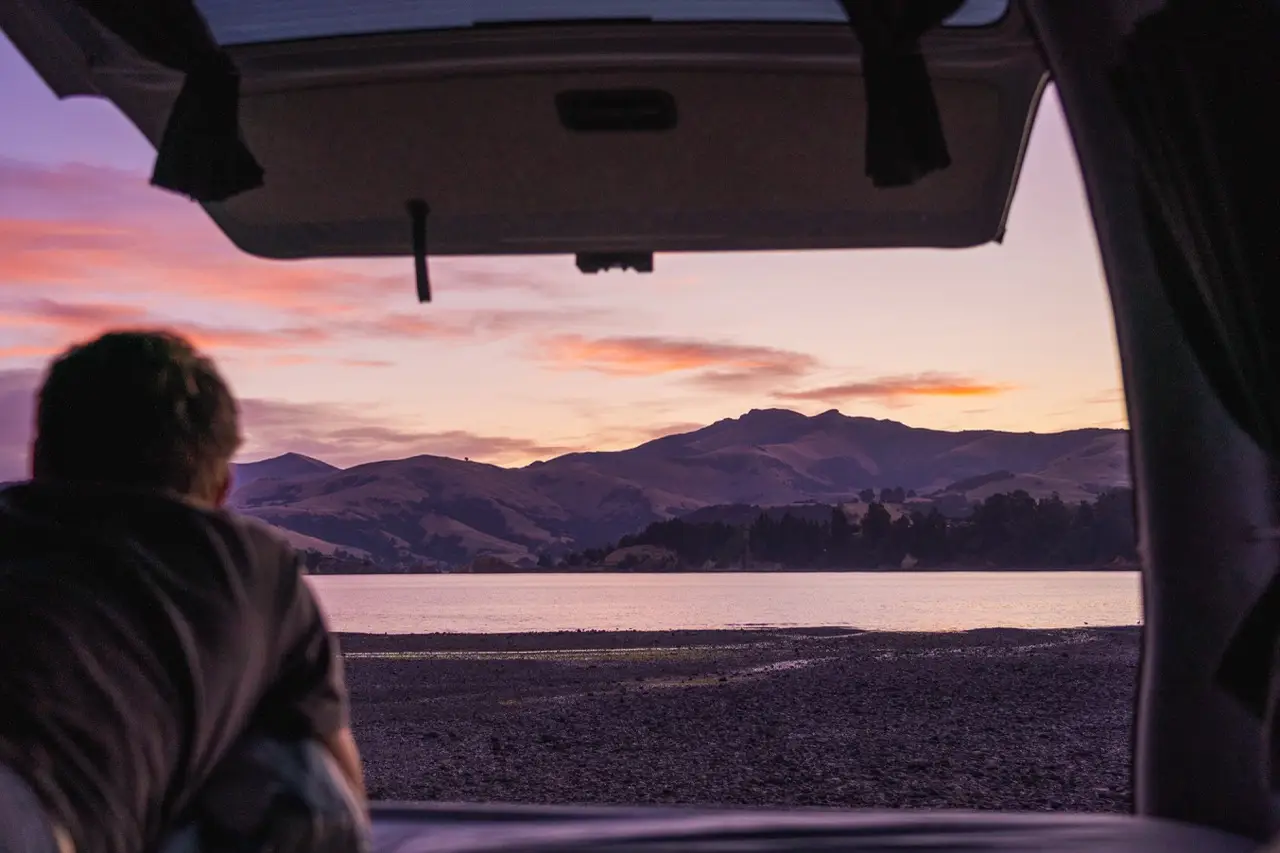
Four weeks gives you enough time to explore the South Island without rushing. A 4-week road trip around the South Island of New Zealand lets you move at your own pace and enjoy more of the region. Instead of racing from Queenstown to Milford Sound for a quick photo stop, you can take slower routes. You can also stay overnight when the weather turns wet or spend an extra night where the view justifies it. The trip is long enough to include famous sights. It also leaves time for quiet beaches, short walks, and small towns that make campervan travel feel free.
This route is a practical loop starting in Christchurch. It suits couples, single travellers, and friends in a small campervan. The van is easy to drive, easy to park, and comfortable for a month-long trip. The distances may look modest on a map. However, winding roads, weather, and scenic stops all take time, so plan for fewer kilometres and better days.
Before you set off: build flexibility into the plan
The South Island rewards travellers who leave a little space between bookings. Four weeks may sound generous, but the weather can change quickly around the mountains, and the most popular summer campsites fill early. Book a few key stays in advance, especially around Aoraki/Mount Cook, the West Coast, Wānaka, Queenstown and Fiordland. Leave the rest open where possible.
A fully self-contained campervan is especially useful on this route. It gives you more places to spend the night, but it does not mean you can park anywhere. Freedom camping is allowed only in designated spots, and local rules differ. Follow official signs, respect stay limits, and never leave waste. Visit paid holiday parks every few nights for a proper shower, laundry, reliable power, and water refills.
When driving, limit your daily travel to about two to four hours on most days. The roads leading to Milford Sound, Arthur’s Pass and Lindis Pass are not ones that you should rush. In winter, chains may be necessary on alpine roads, and in summer, you should take into account traffic, roadworks, and the fact that popular parking areas fill up early.
Week one: Christchurch, the Mackenzie Country and Central Otago
Christchurch to Lake Tekapō
Start with a night or two in Christchurch if your arrival schedule allows. It is an easy place to collect supplies, get familiar with the campervan, and adjust after a long flight. Take the vehicle walkthrough seriously. Learn the heating, water, fridge, batteries, and toilet before you park somewhere beautiful with no mobile reception.
Start in Christchurch and head inland via Geraldine towards Lake Tekapo; the journey is easy enough, though the change in landscape is impressive. The green agricultural land is replaced by vast tussock country, pale blue lakes and mountain horizons. Since Tekapō gets quite busy during the peak season, it is advisable to arrive early. If you can, stay over for the evening, as the Mackenzie region is known for its dark skies.
Aoraki/Mount Cook and Lake Pukaki
Allow at least two nights for Aoraki/Mount Cook. On the drive past Lake Pukaki, you can stop where the colour of the water surprises you. The Hooker Valley Track is a popular walk for a range of fitness levels, although conditions can change. If the weather turns bad, try the shorter viewpoints or the Tasman Glacier area instead.
Take the second day as a form of weather insurance; even if Aoraki is cloudy the scene has its own atmosphere, but a clear morning can make a complete difference to the experience. That is why a four-week trip is better than a tightly scheduled fortnight.
Omarama, Wānaka and the Lindis Pass
Head south via Omarama, where hot tubs and wide-open countryside make the drive enjoyable. Then continue over the Lindis Pass into Central Otago. The road can be icy during colder months, so check the conditions. Do not assume a clear morning will stay clear all day.
Stay in Wānaka for two or three nights, as it offers the right combination of lakefront walks, good food, useful services, and access to the outdoors. If you’re willing to put in the effort, you can walk up Roy’s Peak, or go for a gentler lakeside walk and conserve your energy for the weeks to come. It is also a suitable place from which to restock your supplies before travelling further into the lower South Island.
Week two: Queenstown, Fiordland and the deep south
Allow at least two nights for Queenstown, even if you are not interested in adventure activities. The scenery is spectacular, there are plenty of walks, and it is a good place to buy groceries, fuel, and campervan supplies. However, it is one of the more expensive areas on the island. It may be more sensible to stay just outside town or use a holiday park than look for a last-minute budget option near the centre.
Leave Queenstown and travel through Te Anau towards Fiordland. If you can, plan for three nights between Te Anau and Milford Sound. The road to Milford is a highlight of the journey. It features mirror lakes, beech forests, waterfalls, and cliffs rising close to the road. Set off early, take food and water, and allow much more time than the navigation estimate suggests.
A cruise in Milford Sound is worthwhile regardless of the weather, since rain creates numerous temporary waterfalls, whilst clear weather reveals how high the peaks are. It is safer and more enjoyable to stay in Te Anau before and after the drive than it is to make the return journey all the way to Queenstown.
If you have the time, go on to Invercargill and the Catlins; it is a more tranquil section of coast and the journey slows down from there. The area around Curio Bay, Nugget Point, Purakaunui Falls and the coastal roads provides a pleasant change on from the more crowded mountain destinations. Although you may see some wildlife, make sure you leave plenty of space for seals and penguins and adhere to the local viewing instructions.
Week three: Dunedin, the Waitaki coast and the West Coast
Go north to Dunedin to see its historic streets, the peninsula’s wildlife, and its good café scene. Though the Otago Peninsula is pretty, in some areas it is quite narrow, so take your time and be prepared to share the road with other drivers, cyclists and some wildlife. Most tourists find that a night or two is sufficient, although those who are particularly interested in museums or coastal walks might prefer to stay longer.
Start in Dunedin, pass through Oamaru, and go north towards Timaru or Ashburton. Then head inland over Arthur’s Pass. This section is a longer transfer day, so consider breaking it up. Staying at Arthur’s Pass National Park for at least one night is worthwhile, especially if you like short alpine walks and river valleys. Kea are clever and curious in car parks, so pack away all food and do not feed them.
When you get to the West Coast you will have two or three days left. Hokitika has a relaxed atmosphere and serves as a good starting point, while Franz Josef and Fox Glacier offer access to rainforest, glacier views, and coastal scenery, all within a small area. The downside is the rain. The West Coast is wet for a reason, and this rainfall is in fact what makes the forest so rich and green. Take a good waterproof jacket with you, not just a light shower coat.
This coast may experience road closures and slips following bad weather, so it’s important to check the latest information before leaving and to avoid making plans so tight that a detour could spoil the day. Although using a wellkept campervan with a full tank of fuel provides a sense of security, local road conditions must always be the deciding factor.
Week four: Nelson, Marlborough and the return to Christchurch
Start from the West Coast and go north via Punakaiki. The Pancake Rocks are an easy and worthwhile stop, especially at high tide when the blowholes may be active. Continue to Nelson, a sunny area with beaches, galleries, and access to Abel Tasman National Park. If you can, stay there for two or three nights.
The best way to experience Abel Tasman is by water or on foot. If you take a water taxi, you can turn what would otherwise be a long coastal walk into a flexible half-day or full-day trip, which works well if you are travelling with a campervan rather than following a set hotel-based schedule. During summer it’s advisable to book your campsites and transport as early as possible, while in the shoulder seasons, although there may be more availability, you should still pack for cooler evenings.
Enter Marlborough for more peaceful days around Picton, Havelock, or Blenheim. The Marlborough Sounds have steep, winding roads and protected bays, so journey times are longer than they seem. The final part of the loop is beautiful, especially if you choose a campsite by the water and leave the last few days unstructured.
If the coastal road is open and the conditions are favourable, take the route back through Kaikōura. Kaikōura is a good spot to stop to see the sea, try some seafood, and go on whale-watching trips. After that, the final journey south is straightforward. Wherever possible, try to be back in Christchurch a day before your flight, since this avoids the stress of a last-minute mechanical problem, a delayed road closure, or not wanting the trip to end in a hurry.
Have the campervan serve the household for the entire month.
A month’s travel is not so much about packing ever more and ever more and ever more, but rather about doing so in a thoughtful way. It’s better to take layers rather than a single heavy piece of clothing since you might encounter hot sun, cold wind and rain all within the same week. Maintain a simple eating routine, refill your water as often as possible, and make use of holiday parks when appropriate, rather than seeing them as a failure of the adventure.
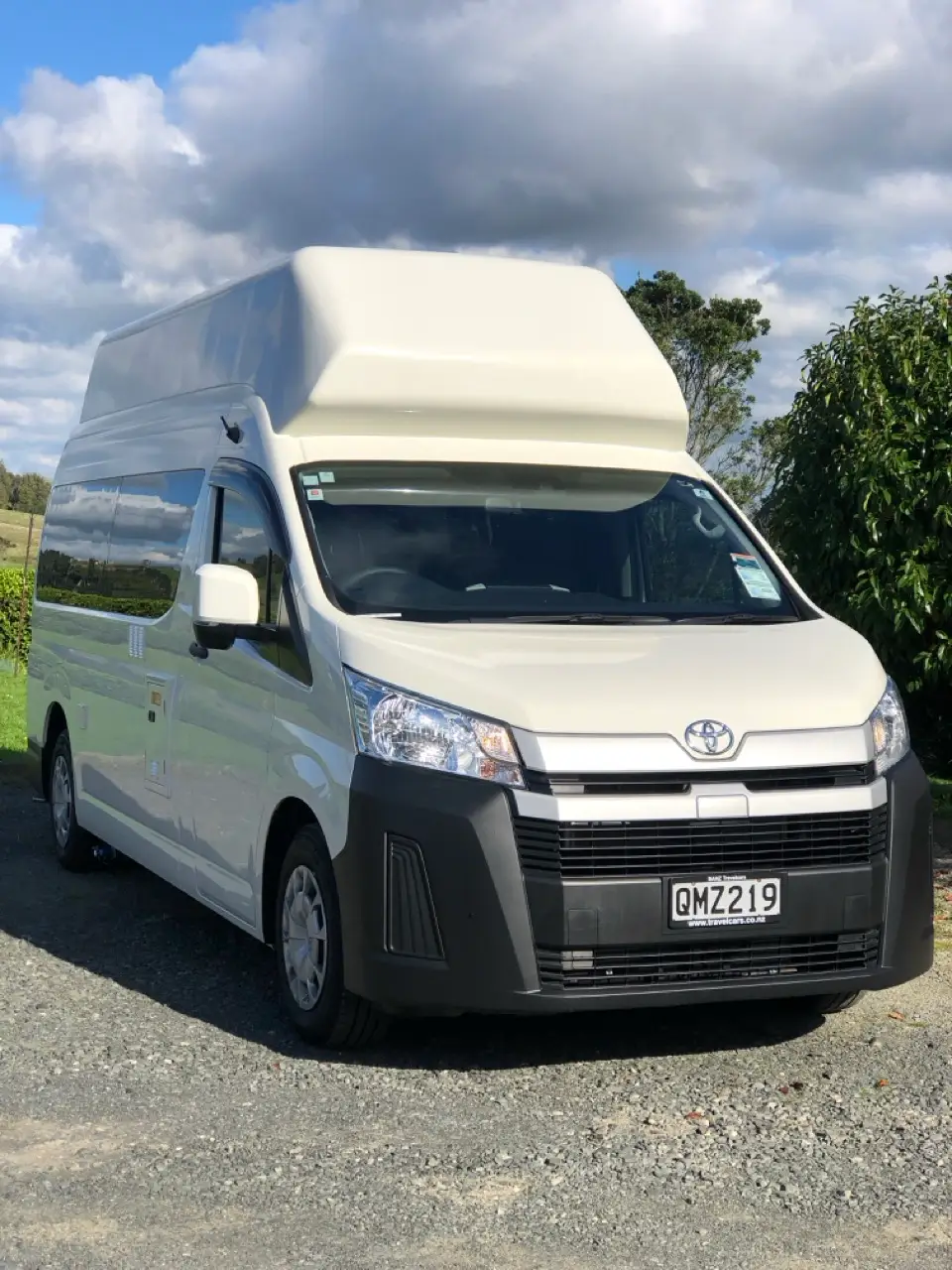
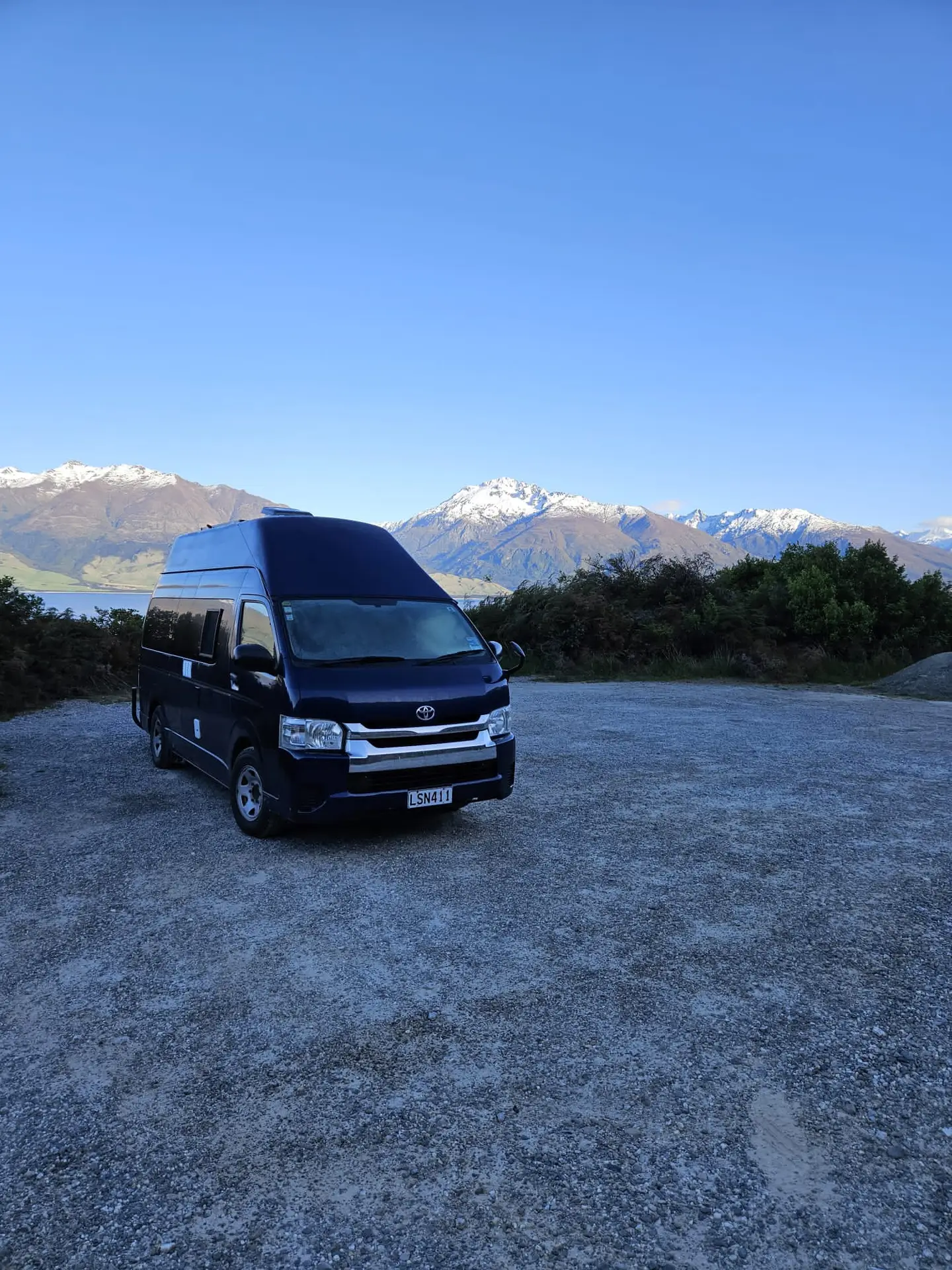
There are genuine benefits to using compact campervans when travelling around the South Island. They are simpler to drive on narrow coastal roads, fit better in town parking spaces, and consume less fuel than a big motorhome. The drawback is that they offer less living space, so it’s important to choose a layout that matches how you actually travel. On a four-week journey, reliable heating, a practical refrigerator, solar assistance, and sufficient battery capacity are much more important than those flashy facilities that will be used only rarely.
For more than 25 years, BANZ Travelcars has been helping independent travellers make trips like this work, offering compact campervans manufactured in New Zealand and providing direct local support whenever plans need to be adjusted.
The best days on this route may not be the ones you planned most carefully. Leave room for the lake you did not expect, a wet afternoon reading in a warm van, or an extra night by the coast. Sometimes continuing on just does not feel necessary. That is the real benefit of spending four weeks in the South Island.