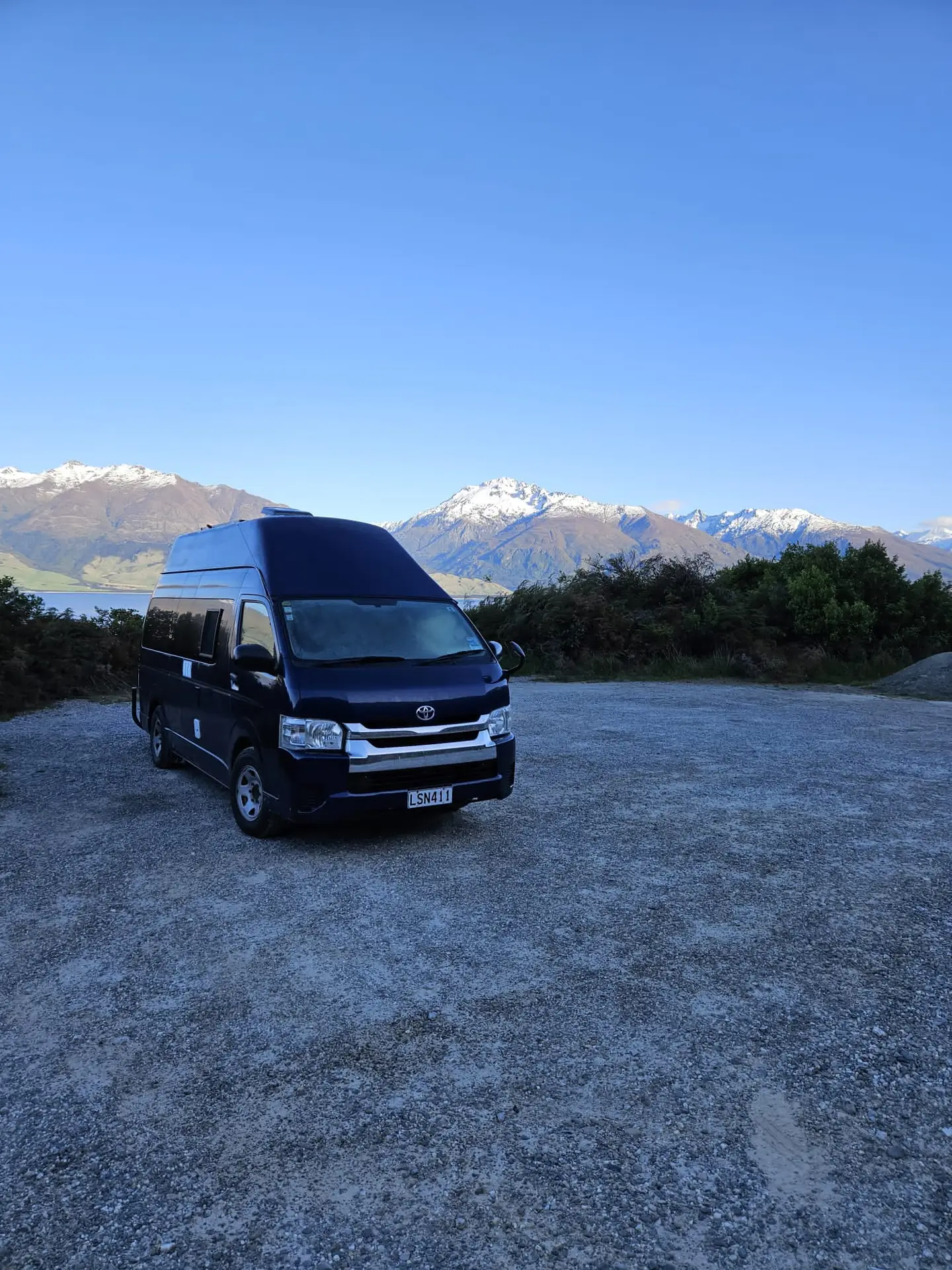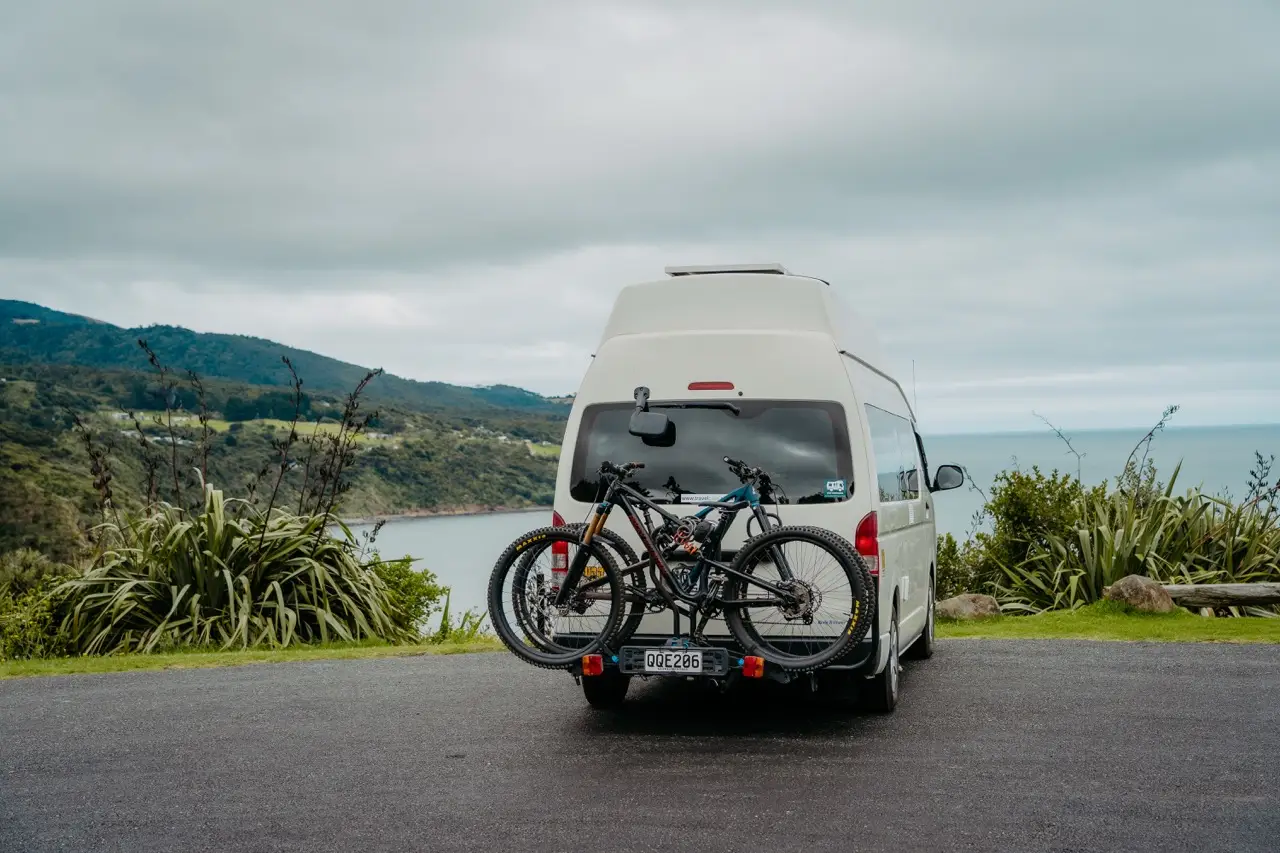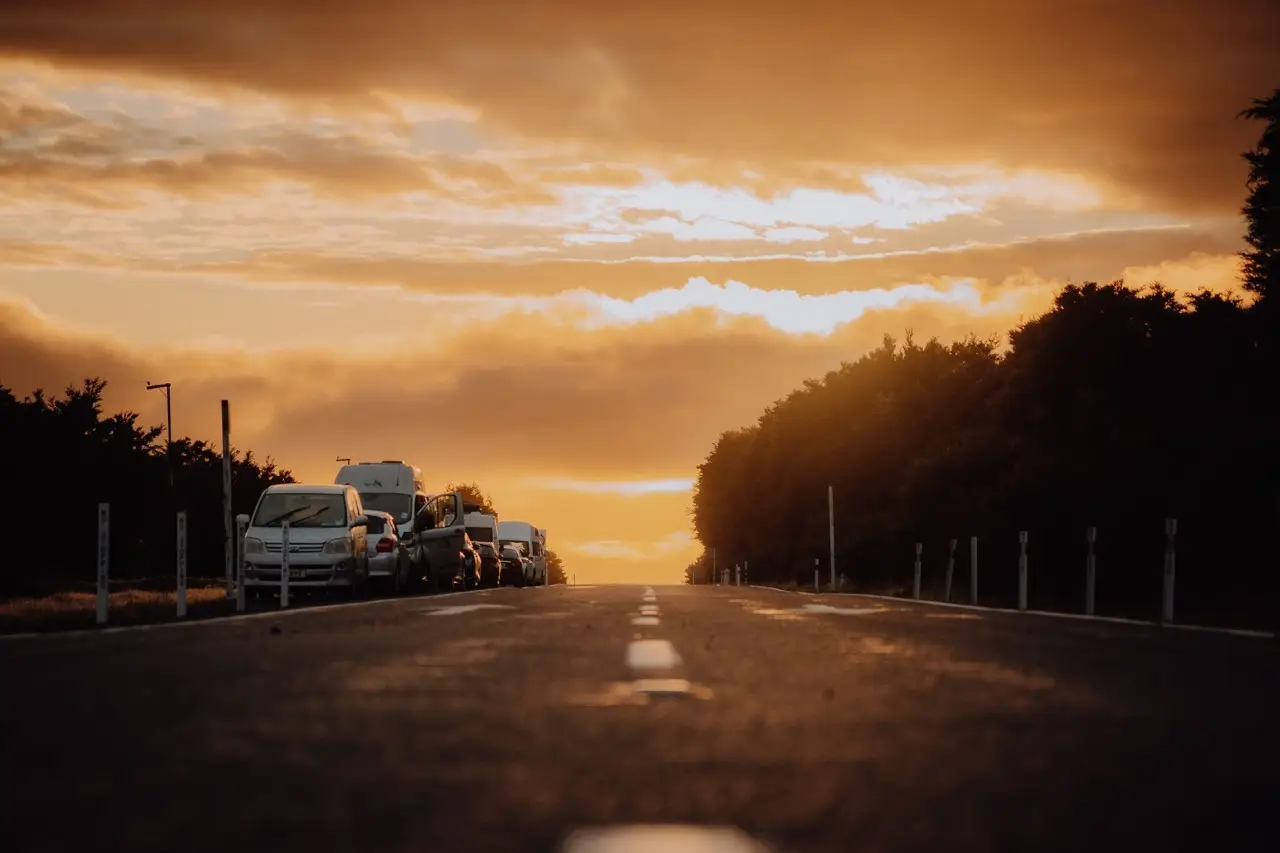
It is possible to see the sun rise over a peaceful lake using a campervan, stop at a bakery in a small town, and change your plans when the weather improves. This freedom is why trends in sustainable campervan tourism matter. Sustainable campervan tourism isn’t about making a road trip less enjoyable; it is about travelling in a way that helps protect the places that make New Zealand worth driving through.
Sustainability for independent travellers can now be put into practice rather than just for show. This involves choosing a reasonably sized vehicle, using electricity and water carefully, parking only where overnight parking is allowed, and leaving each place cleaner than when you arrived. The result is usually a more enjoyable journey with slower days, fewer unnecessary kilometres, and greater engagement with local communities.
Why sustainable travel is changing the New Zealand road trip
Although New Zealand’s landscapes may seem vast, popular coastal reserves, small towns, and scenic freedom camping areas have limits. If an overnight stop is not properly managed, it can leave rubbish, wastewater, or ground damage. The effects become clear during the busy summer season.
People are becoming more aware that a self-drive holiday involves responsibility. While they still value flexibility—especially couples and single travellers who prefer not to use large motorhomes—they also expect clear information about where to stay and how to travel respectfully.
As a result, more people prefer well-fitted smaller campervans. A small van uses less fuel than a large motorhome, is easier to park, and looks less imposing on narrow roads. It also promotes simpler travel. This does not mean comfort must be sacrificed. Good insulation, heating, a practical fridge, solar assistance, and an efficient dual-battery system can make a basic vehicle comfortable for a long journey.
Sustainable campervan tourism trends to watch
Smaller, more efficient vehicles
A major trend is shifting towards smaller vehicles rather than larger ones. When travelling with two people, a compact campervan is usually practical because it is easier to drive in cities, around lakefront car parks, and on the narrow roads of the South Island while still offering the essentials for independent travel.
The drawback is needing more space. If you want a smaller van, you must pack carefully and keep your daily life simple. For many travellers, this is the attraction. Having less equipment means less clutter, fewer things to buy, and a more relaxed morning routine.
How the vehicle is driven affects fuel efficiency. Driving gently, keeping reasonable speeds, and avoiding unnecessary detours make a difference. Likewise, planning a route without repeatedly doubling back helps. The itinerary should be flexible but still have a clear direction.
Solar power with realistic expectations
Solar panels are now a common sight on campervans and there’s a good reason for this. They can help keep a house battery charged so it can power lights, water pumps, and small appliances when the vehicle isn’t connected to the main power supply. This in turn promotes a more independent journey and cuts down on the need to run the engine just to charge the equipment.
Solar power is not infinite because its output is affected by clouds, shade, the time of year, and electricity use. If you run high-demand appliances or charge many devices during the day, the battery will drain faster than expected. To travel sustainably, power should be seen as a limited resource, not an invisible utility.
A good way to do this is to charge cameras and mobile phones while driving, turn off lights when not needed, and use the fridge efficiently. It also helps to park in suitable sunlight, as long as rules allow it and it does not harm vegetation or block access.
Better use of holiday parks and designated sites
Freedom camping remains part of the travel experience in New Zealand, but visitors now emphasize a balanced variety of overnight stays. Holiday parks and designated campgrounds offer showers, laundry, kitchens, waste disposal, and proper wastewater handling. They are useful rest stops after several nights on the road, especially when travelling for weeks rather than days.
It is also an easy way to support local operators by choosing a paid site occasionally. When travellers visit campgrounds, buy groceries from local shops, or go to cafés in smaller towns, they help the communities hosting them. Sustainable tourism is not just about reducing impact; it is also about sharing the benefits of travel.
Rules differ by region and can change. Before you go to bed, check the current requirements of the local council, the Department of Conservation, and any site signage. If overnight camping is prohibited, go elsewhere. A wonderful view is never worth a fine or upsetting neighbours.
Waste reduction over disposable convenience
The cost of single-use purchases adds up quickly in a campervan. Items like bottled water, takeaway containers, coffee cups, and cheap camping gear can fill a small bin fast. More travellers now bring reusable water bottles, coffee cups, and shopping bags, refilling supplies as they travel.
It’s also helpful to plan your food. Instead of buying large quantities at once, buy smaller amounts more frequently, particularly for fresh produce, and construct your meals using the foods that are already in the fridge. With New Zealand’s roadside fruit stalls, farmers’ markets, and local grocery stores, you don’t need to buy large quantities at the start of the month.
Trash should go into bins, not public car parks, reserve toilets, or roadside lay-bys. If bins are full, carry waste with you until you find a suitable disposal place. The same applies to grey water and toilet waste: use approved dump stations only and never empty wastewater onto the ground or into stormwater drains.
Slower itineraries and longer stays
When people try to visit both islands during a short holiday, they usually end up with a hurried, fuel-intensive schedule. Nowadays, tourists prefer to visit one area, staying longer in fewer locations to accommodate weather changes. This reduces daily driving and brings more business to local enterprises.
Taking a more leisurely route might mean spending three nights in Nelson instead of just a lunch stop, or leaving time to walk a track near Wānaka instead of driving straight through. This allows room for the unexpected experiences that make a road trip worthwhile.
Australian visitors should remember that although distances in New Zealand may look short on a map, actual roads take longer due to mountain passes, one-lane bridges, changing conditions, and photo stops. It is safer to plan fewer kilometres, which is kinder to the vehicle and more enjoyable.
What responsible freedom camping looks like
Freedom camping works only if travellers respect the conditions that allow it. Use approved sites, park fully within designated areas, keep noise down, and avoid placing chairs, awnings, or equipment where they hinder others. Do not treat a public car park as a private camping area.
Be especially careful near waterways, beaches, and rural reserves since these areas are delicate habitats and valued by local families. Stick to designated tracks, do not take anything from the environment, and keep pets under appropriate control where necessary.
Even with self-containment equipment, people do not have the right to stay anywhere. Responsible travellers plan ahead, know their vehicle’s capabilities, and choose an allowed, suitable spot for the night.
Choosing a campervan that supports lower-impact travel
Sustainability starts before the vehicle handover. A well-maintained campervan is less likely to waste fuel from bad tyre pressure, have unnecessary breakdowns, or need replacement during the journey. Also, well-functioning systems make it easier to use water, battery power, and refrigeration sensibly.
When choosing a vehicle, focus on useful features rather than extravagant additions like a solar-powered battery system, efficient lighting, heating for cold nights, safe seating, and a design that lets two people live comfortably without a large vehicle. Also, carefully inspect the vehicle. Understanding how the fridge, battery, water supply, and waste systems work helps you avoid on-road issues.
At BANZ Travelcars, this practical method has always been at the heart of our compact, well-equipped campervan travel in New Zealand. The objective is straightforward: to give travellers the confidence to travel on their own while enabling them to make sensible choices as they go.
A better kind of road trip
No campervan holiday has zero impact, especially since it usually includes flights, driving, and visits to popular areas. The aim isn’t perfection, but making choices that ease pressure on places and local communities by driving less, staying longer, using facilities correctly, buying local, and leaving no trace.
New Zealand rewards travellers for taking their time. Pack light, follow the rules at each overnight stop, and let the journey be shaped by the places you are there to protect.