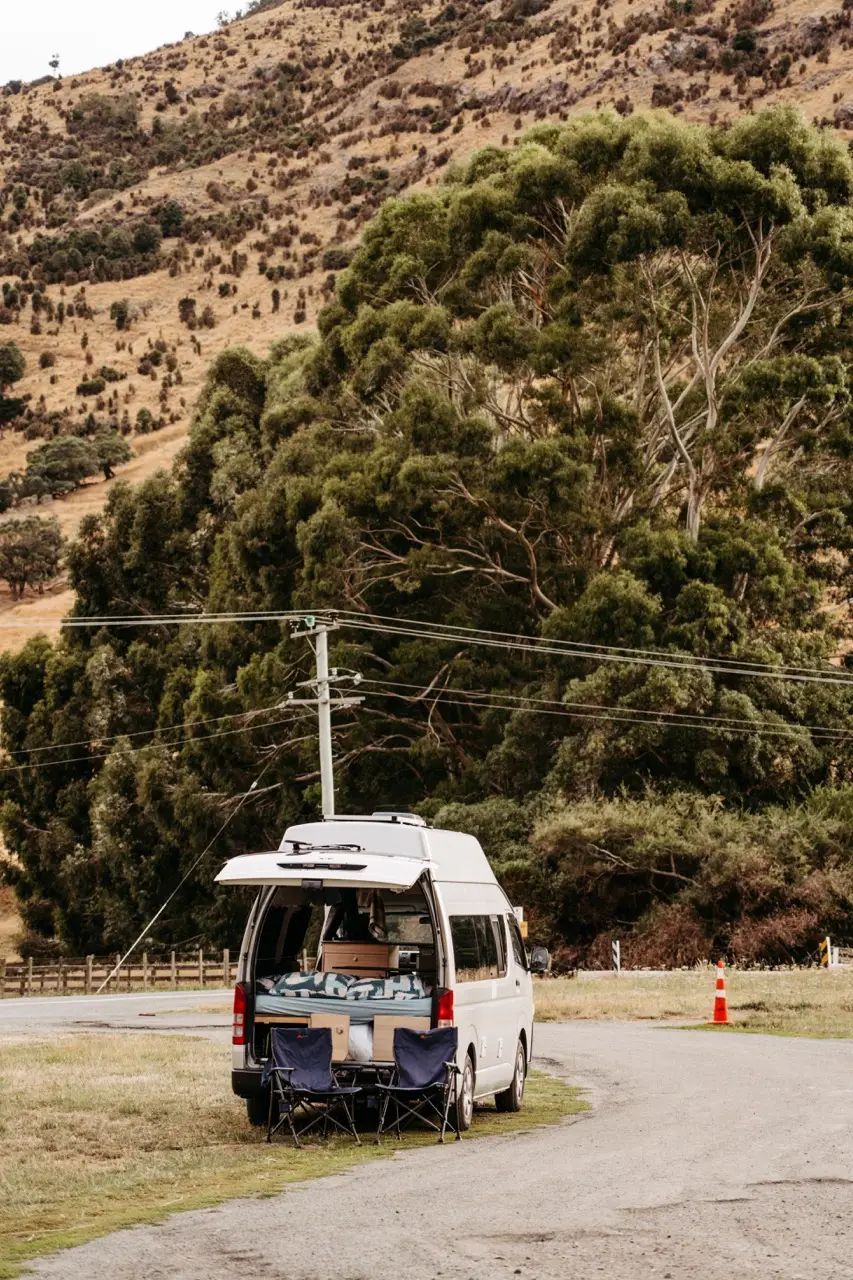
A campervan can make a New Zealand holiday feel truly flexible. A rainy morning in Fiordland, a quiet Coromandel beach, or a last-minute hot pool detour can all be your call. Start by listing your must-haves and priorities. Then compare options from a few reputable rental companies. The best trips begin with the right questions before campervan hire. Do not wait until you are at the depot with your bags.
A good rental should suit how you plan to travel. Some people want a compact van that is easy to park in town. Others need reliable heating and enough battery power for several nights away from a powered site. A proper walkthrough before departure also matters. Ask these questions before you book.
Questions before campervan hire that shape your trip
1. Is the campervan practical for New Zealand roads?
New Zealand rewards unhurried driving. Roads can be narrow, winding and hilly. This is especially true beyond the main centres. A large motorhome may offer more space inside. However, it can feel cumbersome on steep approaches, in busy car parks and on smaller coastal roads.
Ask about the vehicle’s length, height and transmission. Then consider how confident you are behind the wheel. A compact Toyota Hiace-style campervan gives many couples enough living space. It also feels familiar to drive and is easy to park. It is often the better choice if you want to see more places without the stress of handling a large vehicle.
2. Who can drive, and what licence do we need?
Check the minimum driver age and whether you can add extra drivers. Ask what documents you need at collection. Rental companies typically require a valid home-country driving licence and a passport. You may also need an International Driving Permit (IDP) if your licence is not in English. Many companies accept an official English translation instead. Having these documents ready makes collection easier and helps prevent last-minute problems.
Also ask whether there is a charge for extra drivers. Share driving duties on longer travel days.This is especially helpful on routes with mountain passes or ferry connections.
3. What is included in the daily hire rate?
The advertised rate is useful only when you know what it includes. Ask about unlimited kilometres, standard insurance and roadside assistance. Check whether kitchen equipment, linen, chairs and tables are included. Also ask about any one-way hire fee.
A low daily rate may not stay low if essential items cost extra at collection. Common add-ons include GPS units, extra bedding, child seats, outdoor furniture, heaters and portable toilets. You may also pay cleaning, extra-driver or one-way rental fees. Snow chains and Wi-Fi routers can add to the final bill too. Clear, itemised pricing helps you compare campervans fairly. It also helps you set a realistic holiday budget. You will be less likely to spend your first day arranging extras you thought were included.
4. How does insurance work, and what is the excess?
Discuss insurance before confirming your booking. Find out the standard excess and the cost of reducing it. Ask what the policy excludes. Check whether tyres, windscreens, overhead damage and damage on unsealed roads are treated differently.
There is no single right level of cover. Travellers on a tight budget may accept a higher excess. Others may prefer the certainty of lower liability. Consider your travel style and risk tolerance. Extra cover may offer peace of mind if you plan to drive on remote roads or in winter. The standard policy may be enough if you are confident on the road and can accept some financial risk. Understand that risk before you leave home. Do not wait until a minor mishap to work it out.
5. Is it certified for the camping we want to do?
Freedom camping is part of the appeal of a New Zealand road trip. However, it is not a free-for-all. Rules vary by region and site. Local restrictions can also change. In many areas, you need self-contained certification to stay outside a holiday park or formal campground.
Ask whether the campervan has current self-contained certification. Check which facilities support that certification. Also ask how fresh water, grey water and toilet waste are managed. A responsible setup makes off-grid nights more comfortable. However, you must still use designated dump stations, follow signs and leave each place clean.
6. How long will the power system support us?
A dual-battery system and solar panel can help when you are away from mains power. They can keep the fridge, lights and charging points running. This makes a few nights in quieter locations easier. However, performance depends on the weather and battery condition. It also depends on how often you drive and what you plug in.
Ask what runs from the house battery and whether the van has solar charging. Find out how the battery recharges while you drive. Bring charging leads for your phone and camera. However, do not assume the system can run high-power appliances for long. These include hair dryers and electric heaters.
7. Will we be warm and comfortable at night?
New Zealand weather can change quickly. Evenings can be chilly after a warm summer day. Ask what heating is fitted and whether you can use it overnight. Also check what bedding is supplied. A warm, dry van matters after a day of walking, swimming or driving through rain.
Comfort also comes down to small details. Check the bed size, window coverings, ventilation and interior headroom. See how easily you can move between the front seats and living area. These details matter on a trip lasting several weeks. They are more important than a glossy exterior photo.
8. What cooking and food storage do we get?
Cooking your own meals is an easy way to make a New Zealand road trip more affordable. Check the fridge size and cooker type. Ask how many gas burners the van has. Also confirm whether crockery, pans and basic utensils are supplied.
Think about how you like to travel. A smaller fridge may be enough if you shop daily and eat out often. More fridge space will help if you plan to spend several days away from supermarkets. A practical bench setup will also make life easier. Ask how gas bottle refills or swaps work. Check whether you must arrange and pay for them.
9. What happens if we need help on the road?
Even a well-maintained campervan can get a flat tyre or show a warning light. Unexpected mechanical problems can also happen. Ask who to call and whether help is available outside business hours. Find out what happens if the vehicle cannot be driven.
Personal service has real value when problems arise. A family-owned operator such as BANZ Travelcars should provide a proper handover. You should also have a direct contact who knows the vehicle. Before leaving, learn how to use the heating, fridge, water system and power controls. Check any toilet facilities too. Five extra minutes at collection can prevent frustration later.
Ask for a short handover checklist so you feel ready to drive away. Test the headlights and indicators. Check the spare tyre and jack. Locate the fuel cap and wiper controls. Confirm that the reversing camera works, if one is fitted. Test all doors, windows and locks. Make sure your charging cables work in the sockets. Review the basic safety kit. Ask about any dashboard lights you do not recognise. These checks can give you peace of mind for the journey ahead.
10. Can you collect us from the airport or station?
After a long-haul flight, you may not want to cross an unfamiliar city with luggage. Ask whether airport or station pickup is available. Check how far the depot is from your arrival point. Also ask whether you need to book a collection time in advance.
This service is especially helpful in Auckland and Christchurch. Many travellers start or finish their journeys in these cities. If you arrive early, ask whether you can collect the vehicle that day. Otherwise, you may need to book accommodation first.
11. Where can we park and stay overnight?
Plan more than a loose route. Use official camping information to find places to stay. Options include holiday parks, Department of Conservation campgrounds and approved freedom-camping areas. Some places fill quickly during peak season. Others have limited facilities or do not take bookings.
Ask your rental provider for advice about your specific van. They may suggest places where a compact campervan is useful. They can also tell you when a powered site is worthwhile. Ask how often you should refill water and empty the waste tanks.
12. What does the handover cover, and how clean is the vehicle?
Do not underestimate a thorough vehicle walkthrough. Ask to see how each feature works and where the safety equipment is stored. Confirm which fuel the vehicle takes. Learn what you need to do before returning it. Also ask for a checklist or guide to keep in the van.
Ask about cleanliness and maintenance too. Your campervan will be your transport, kitchen and bedroom. You may live in it for several weeks. A clean, well-prepared vehicle with working equipment lets you focus on the views. It also helps you avoid unnecessary problems.
Give yourselves room to travel well
The right campervan is not always the biggest. It may not have the longest feature list either. It should fit your route, budget and comfort level. The rental team should also explain it clearly before you leave. Campervan travel is often easier than first-timers expect. A careful handover and a short practice drive will help. Ask these questions early and keep your itinerary flexible. Then you can enjoy the detours that make a New Zealand road trip memorable.