A NZ road trip used to be measured by how far you could go on the daily hire rate. These days the focus is more on what happens en route. Is the van easy to drive on twisty roads? Does it stay warm on a wet South Island night? Does it have enough power to get you through a reasonably long journey? The market is moving towards a more practical form of freedom based on a properly equipped vehicle, straightforward pricing and assistance when you need it.
For couples, solo travellers and long stayers the appeal of the campervan remains the same in essence. You can wake up right next to the beach, go for a walk when the weather is good and change your plans without repacking a suitcase. What is changing is what the traveller expects from the vehicle and the rental experience.
Campervan rental market trends: smaller, smarter vans
Large motorhomes remain the preferred choice for families and travellers who need a lot of room inside. Smaller campervans are increasingly popular with couples, especially those visiting the islands who don’t want to drive a bus. New Zealand roads require confidence and visibility. Many routes are narrow, hilly or busy with plenty of scenery to stop and enjoy. Supermarket car parks and town centres are also easier to navigate in a smaller vehicle.
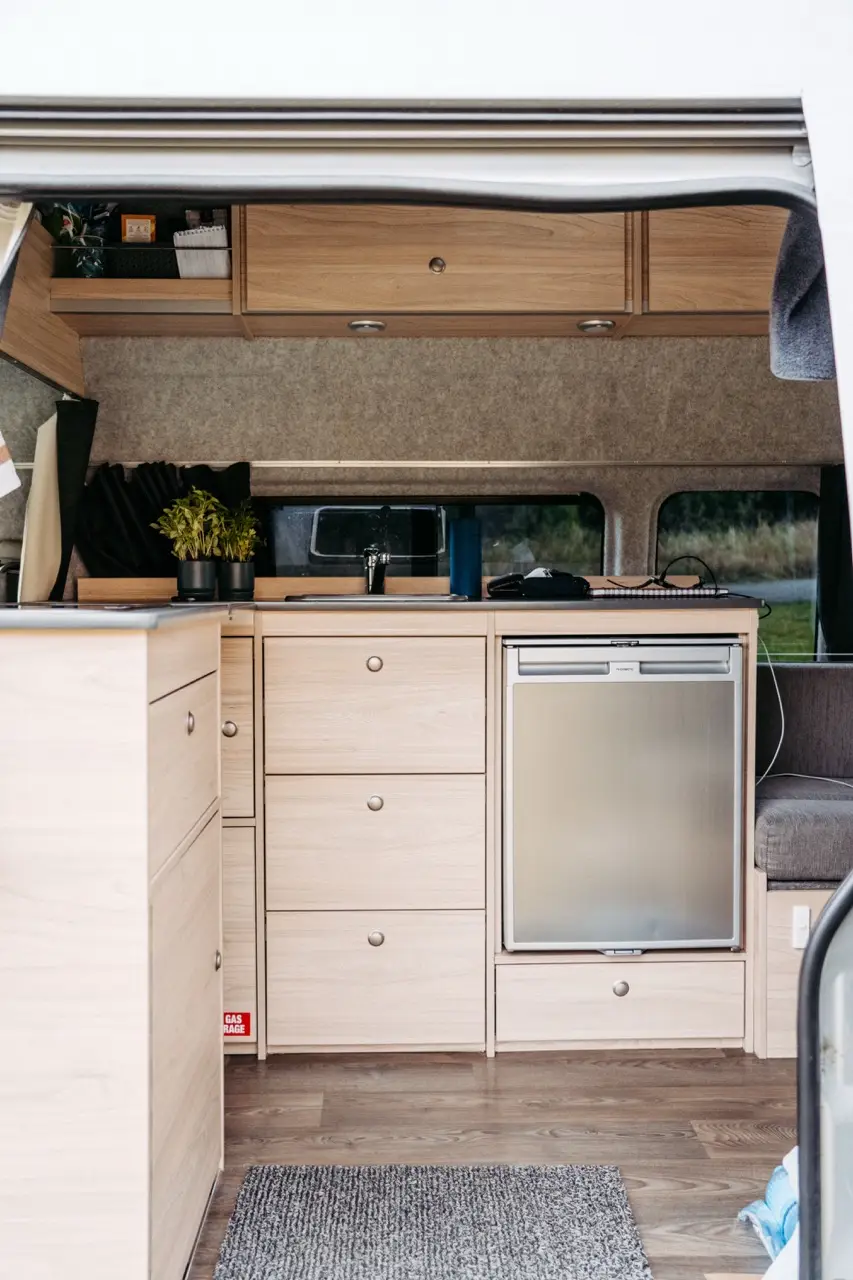
A well-conceived Toyota Hiace style campervan meets that requirement without reducing the trip to bare bones travel. The best small conversions make the most of every square inch with a comfortable bed, practical cooking facilities, a fridge, storage, heating and an interior layout that lets you move around without constantly repositioning your gear. Walk-through access is more important than it might first appear when it’s raining, windy or dark.
This is not a case of small being better. Anyone planning several days of parking, carrying bulky sports gear or with young kids will probably be better off in a larger model. For most couples, the compact van strikes the best balance of fuel consumption, ease of handling, comfort and rental cost.
Freedom camping is becoming more considered
Freedom camping remains a major reason people go campervanning in NZ, though people are increasingly aware of the responsibilities involved. The rules vary by region and places where you can camp overnight can change. A trip entirely dependent on finding a last-minute roadside spot can quickly become stressful, especially in summer.
The dominant trend is flexible planning rather than completely unplanned travel. People mix holiday parks, DOC campgrounds and legitimate self-contained accommodation, booking popular areas in advance and leaving room to change plans if needed. This way you maintain adventure and have access to showers, laundry and power when you want.
As for the vehicle itself, self-sufficiency and off-grid capability have gone beyond a marketing ploy. A solar array, dual battery system, efficient fridge and good lighting can greatly improve the comfort of a couple travelling between sites. They don’t eliminate the need to manage water, power and waste carefully; they just give you much more independence when you do it properly.
The key thing is that freedom camping should enhance the trip rather than become a daily logistical nightmare. More people are opting for campervans that enable responsible camping and asking more pointed questions before booking about what’s included.
Value now means fewer surprises
Price remains an issue for backpackers, people on extended stays and those on a carefully planned budget. The advertised daily rate is not the only thing people consider. Experienced renters look at insurance, bond, one-way fees, airport transfers, linen, kitchenware, roadside assistance and all potential extras you may pay at collection.
This benefits the traveller. It leads to a more useful comparison of value. What will this trip actually cost? What will the vehicle enable us to do? A van with heating, solar and useful living gear may cost more than a basic van but may be better value if it makes the three-week trip easier and more comfortable.
There is a growing tendency to prefer vehicles that are properly maintained rather than just those that look good in online photos. Before heading across the country you want confidence in the tyres, brakes, battery, gas system and safety equipment. Cleanliness is important but a clean van should come with a proper handover and clear explanation of how everything works.
That’s where a local, owner-operated operator differs from a big anonymous fleet. At BANZ Travelcars the emphasis is on hand-built, well-maintained campervans and personal walkthroughs. That’s exactly what many independent travellers seek today: information and people who know the roads they will drive.
Personal support is part of the product
For international visitors, picking up a campervan is more than just ticking off paperwork. There’s driving on the left, long flight recovery, getting a local SIM card and figuring out where to spend the first night. Having pickup support at the airport or station, a quiet vehicle briefing and someone on hand by mobile can make the first day much less stressful.
The market is moving away from the ‘you’re on your own’ concept of self-drive. People still want independence but also some background support. A quick answer to a warning light, heating control or unforeseen weather change can save time and stress.
This is especially pertinent in NZ where a 250km journey can look short on a map. It may involve mountain passes, roadworks, photo stops and slow sections as you’re held up by traffic behind you. Local advice helps renters plan a realistic day and arrive before dark rather than rushing through what they’re there to see.
Travellers are planning for comfort in every season
Summer is still in session but shoulder season travel is increasing. There’s something to be said for quieter roads in autumn and the changing colours. In spring you get greenery and generally more availability. Winter road trips are possible for travellers prepared for alpine scenery, hot pools and ski areas.
That makes heating, insulation, ventilation and a reliable electrical setup more important than ever. A campervan is not just transport. It’s where you make breakfast before a walk, wait out a shower, charge cameras and rest after a day on the road. Comfort doesn’t mean loads of space or luxury fittings. It means the fundamentals work when things aren’t perfect.
Seasonality also impacts booking. The most popular times, routes and one-way journeys book up early, so if you have fixed dates you need to book well in advance. If you have flexibility you may find better choices outside school holidays, but you should allow time to compare vehicles rather than booking the first cheap rate you find.
What these trends mean for your road trip
The best campervan rental is probably the one that suits how you want to travel. If you want to drive with flexibility, a simple lifestyle and freedom to go at your own pace, a small, well-equipped van is likely better than a larger vehicle with many features you’ll never use.
When looking at options don’t just go by photos. Ask how it’s powered, heated, what support is offered, what’s included and whether the layout will still work on day ten rather than day one. Care in booking gives you more scope for the good parts of the journey: the unscripted vista, quiet campsite and ability to stay an extra day if New Zealand feels worth it.