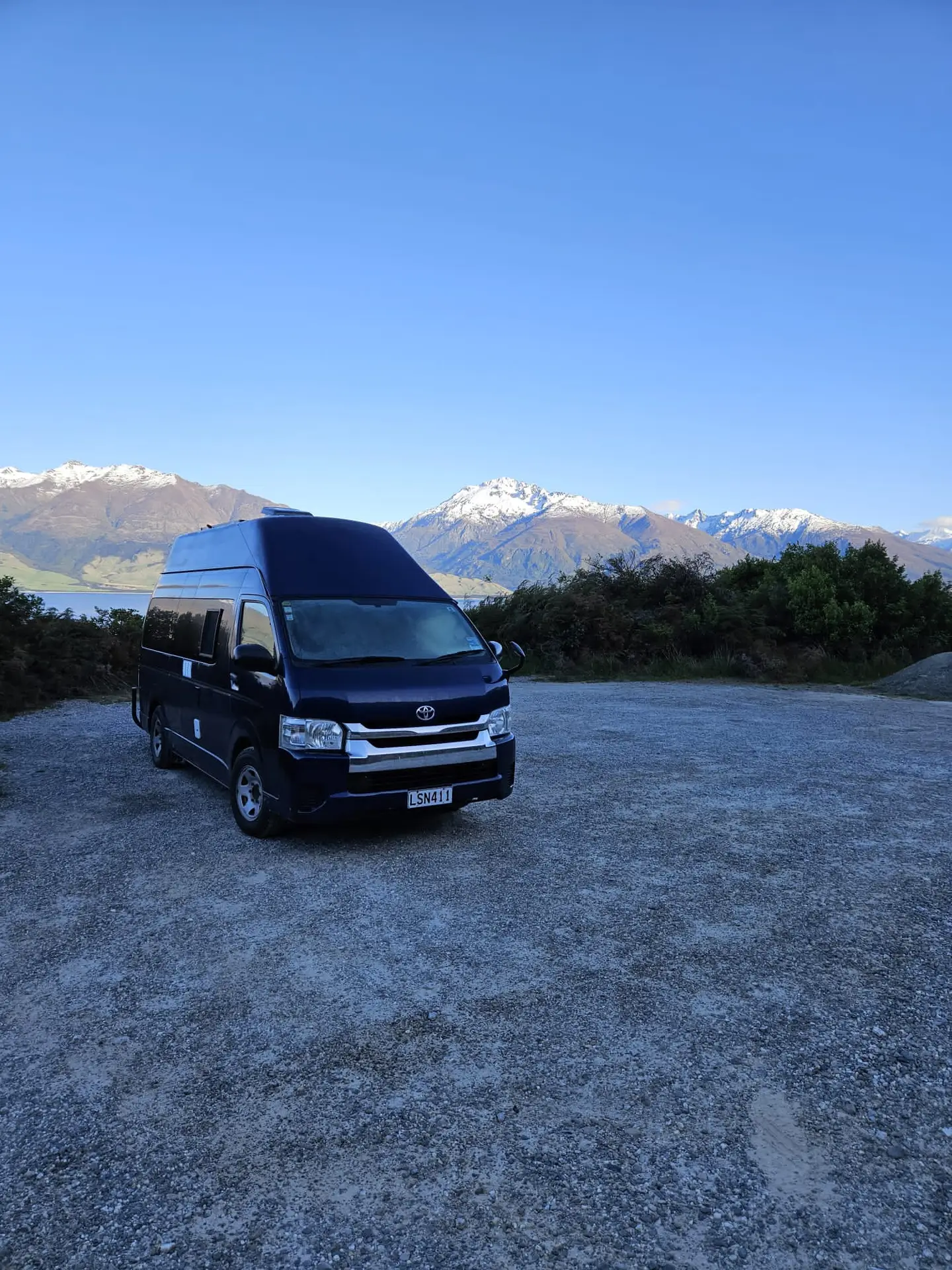
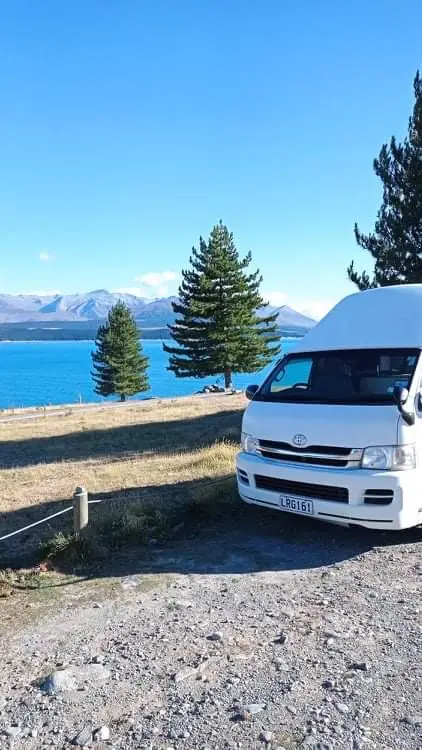
A small campervan makes a couple’s road trip attractive because there is no fixed check-out time, no daily packing routine, and no long list of hotel addresses to reach. Instead, you can wake up beside a lake, make coffee as the mist lifts, and decide together whether to follow the coast or head for the mountains. New Zealand is perfect for this kind of flexible travel, but only if you choose a van that is easy to live in, not just cheap to hire.
For two people, a compact campervan is usually the best choice. It gives you a proper place to sleep, cook, and shelter from a wet West Coast afternoon, while still being easy to park, refuel, and drive. With a smart layout, the smaller size is not a drawback. It can make the whole journey feel simpler and freer.
Why a compact campervan suits couples
When there are just two of you, your needs are different. You do not need a separate family lounge, several beds, or lots of storage. What matters most is that the essentials work well every day: a comfortable bed, enough kitchen space, reliable power, warmth at night, and easy access between the front seats and the living area.
A compact campervan based on a Toyota Hiace is also well known and easy to handle on New Zealand roads. You may need to cross narrow bridges, drive winding hill roads, use gravel access tracks, and move through busy town centres. A smaller van is usually easier to reverse, park at a supermarket, and set up at a campsite. That leaves more energy for the places you came to see.
There are compromises. You will not have the standing room or large bathroom of a bigger motorhome, and rainy days require patience and careful organisation. Even so, many couples find the lower hire and fuel costs, along with the confidence of driving a smaller vehicle, are well worth giving up the extra floor space.
Plan your couple’s road trip around pace
It can be tempting to fit both islands and every famous viewpoint into a short holiday. While it is possible, it can turn a relaxed journey into a run of long driving days. New Zealand distances may look small on a map, but the drives often take longer than expected. Winding roads, changing weather, photo stops, and one-lane bridges all add time.
To enjoy the trip more, leave room for unexpected stops. Instead of staying one night everywhere, spend two nights in places where you can slow down. A seaside town, a national park entrance, or a quiet lakeside holiday park can all work well. With two nights, one person can go for a walk while the other reads, does laundry, or simply enjoys staying put.
Before you pick up the van, talk about your travel style. One of you may love dawn hikes and long scenic drives, while the other may prefer late breakfasts, galleries, and a swim before dinner. Neither style is wrong. Agreeing on a general routine helps keep small frustrations from becoming the background music of the holiday.
Share the driving before anyone gets tired
If both travellers are comfortable driving, take turns regularly instead of waiting until someone is tired. In New Zealand, motorists drive on the left, and many scenic routes need full attention. The passenger also has an important role: checking the route, watching for fuel stops, finding safe places to pull over, and keeping an eye on the weather.
Avoid driving straight after a long-haul flight. If possible, pick up the vehicle the next day or spend a night in Auckland or Christchurch first. You will get more from the campervan handover, and your first day on the road will be safer.
Choose features that make daily life easier
Judge a compact van by how it works after sunset, not just how it looks in a driveway. Ask about the bed, heating, fridge size, charging options, and storage. These features affect every day of a longer trip.
Solar power and a dual-battery system make it much easier to stay away from powered sites. They keep the lights, fridge, and small devices running without needing to plug in each night. Heating is just as useful in colder months and alpine areas. Even on a bright South Island day, the temperature can drop quickly after sunset.
Another practical benefit is being able to move from the cab to the rear living area without stepping outside in the rain. It may sound minor, but it matters when you arrive late, the wind is up, and you want to cook dinner without getting your gear wet.
Before you leave the depot, take time for the handover. Make sure you know how the gas, fridge, battery display, water system, and bed setup work. Check where the safety equipment is stored and practise anything you are unsure about. A good operator will explain everything clearly and will not rush you out the door.
Pack for a small space, not every possibility
Packing light is not about giving up comfort. It is about keeping the van easy to use. Soft bags are easier to store than hard suitcases, and layers work better than bulky clothes for one specific purpose. New Zealand weather can change quickly in a single day, so a warm jumper, rain jacket, and comfortable walking shoes will be more useful than fancy outfits.
Keep the things you use every day within easy reach: toiletries, charging cables, water bottles, a torch, and a small grocery bag. Set aside a specific place for wet clothes so they do not end up on the bed or kitchen bench. In a compact van, a five-minute reset each morning makes a surprising difference.
Food is another way to keep things simple. Shop every two or three days, especially if you are moving often. Fresh fruit and vegetables, breakfast basics, and a few flexible dinner ingredients take up less space than a week of elaborate meal plans. Local bakeries, farm stalls, and small-town cafés can also become part of the experience.
Make freedom camping part of responsible travel
A campervan gives you more options, but not every scenic roadside spot is legal or suitable for overnight stays. Check local signs, use approved areas, and follow the conditions set by each council or campsite. Rules vary by region and may change, especially in popular destinations.
Travelling responsibly helps protect the places you came to enjoy. Use toilets where available, dispose of waste properly, keep noise low, and take all rubbish with you. Even if your van is certified for independent travel, understand what that certification means and choose overnight stops carefully.
The most comfortable approach is often to combine freedom camping with holiday parks. A holiday park gives you a proper rest, a longer shower, laundry facilities, and a place to refill your water. Quieter approved sites can still offer memorable sunrises or beachside dinners. You do not need to prove anything by avoiding facilities for weeks at a time.
Keep the small moments enjoyable
One of the best parts of travelling as a couple is sharing the experience, but it is still important to give each other space. If one person wants an hour with a book and the other wants to walk to the lookout, do it. A small campervan is a shared space, not a reason to do everything together.
Be kind with practical tasks. One person might enjoy cooking while the other handles driving, refilling water, or packing up in the morning. Change roles when needed. The goal is not to divide every task perfectly, but to stop one traveller from quietly carrying the whole routine.
At BANZ Travelcars, we have seen that the happiest guests are rarely the ones with the most ambitious itinerary. They are the couples who leave room for detours, ask questions at handover, and choose a campervan that suits how they really want to travel. Start with a sensible vehicle, allow time to wander, and let New Zealand provide the moments you could never schedule.