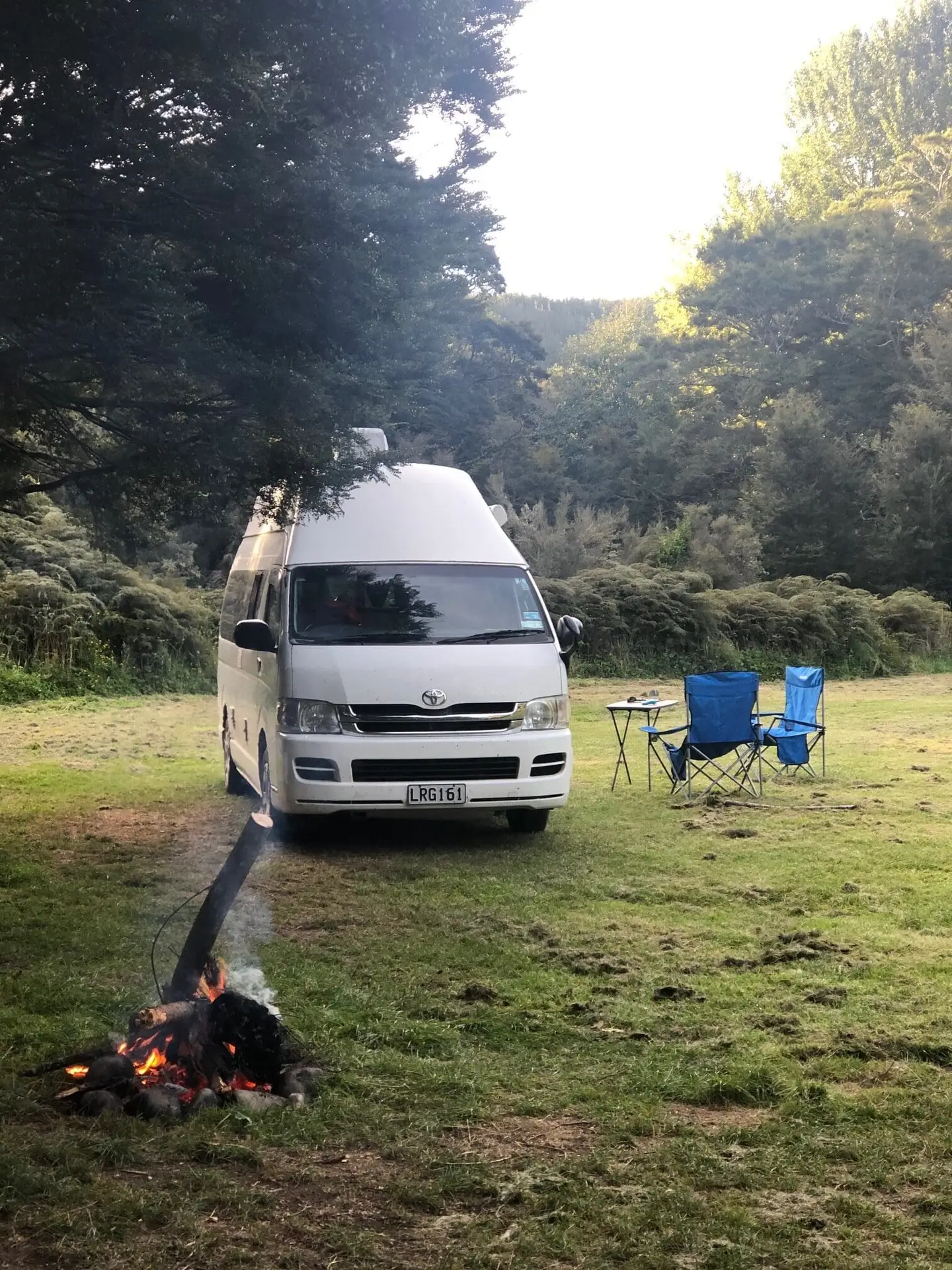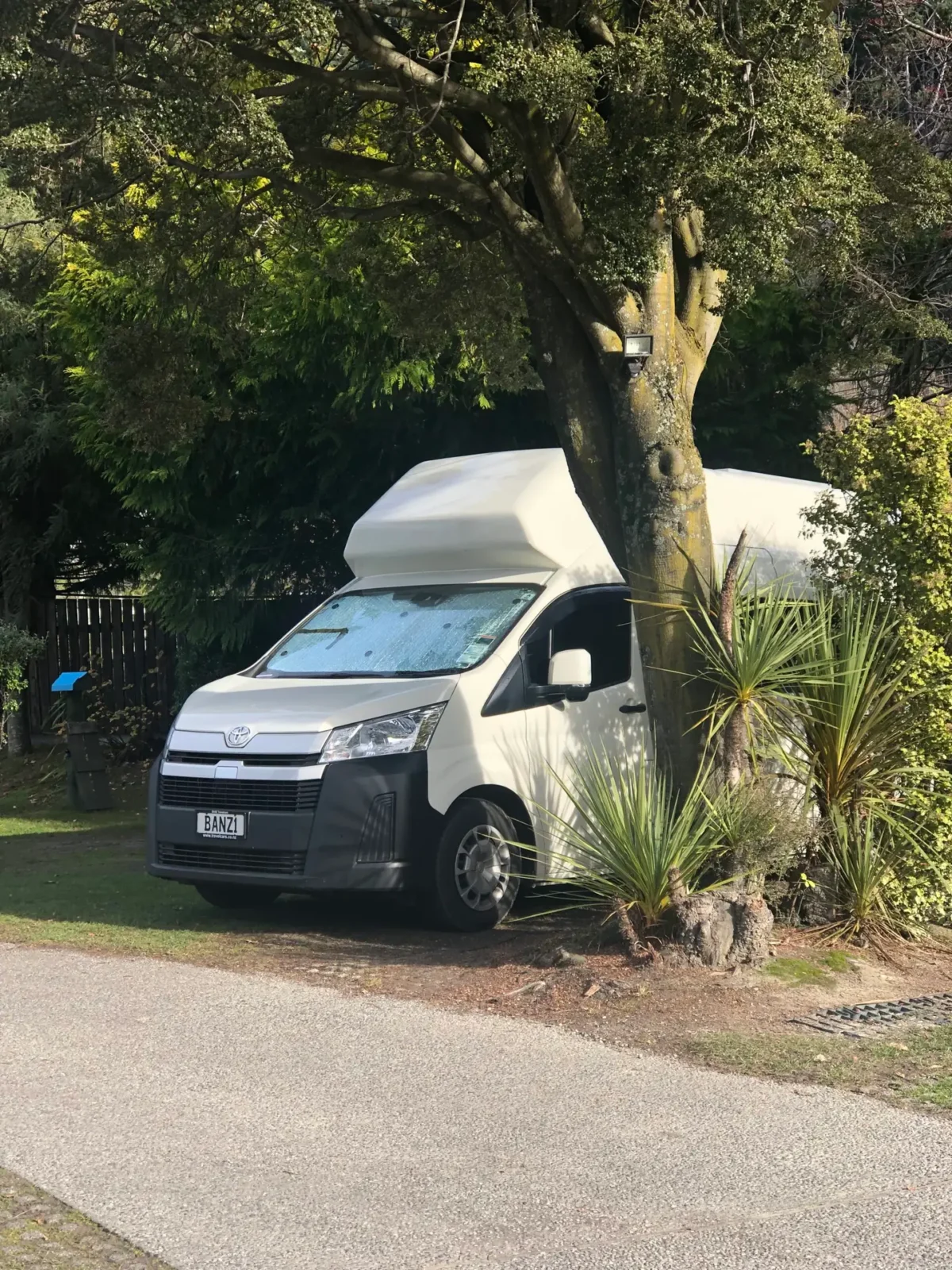
You have pulled up beside a lake, the rain has started, and dinner needs to happen inside. That is when a good campervan kitchen earns its place. If you are wondering what a campervan kitchen looks like in New Zealand, expect a compact, practical space rather than a miniature home kitchen. It should make simple meals easy, keep essentials within reach, and leave enough room to sleep and relax.
For couples and independent travellers, the best kitchens make life on the road simple. You should be able to boil the kettle, prepare breakfast, and wash up without unpacking half the van. Layouts vary, but New Zealand campervans usually prioritise practical equipment, secure storage, and systems suited to changing weather and long distances between towns.
How does a campervan kitchen look in New Zealand?
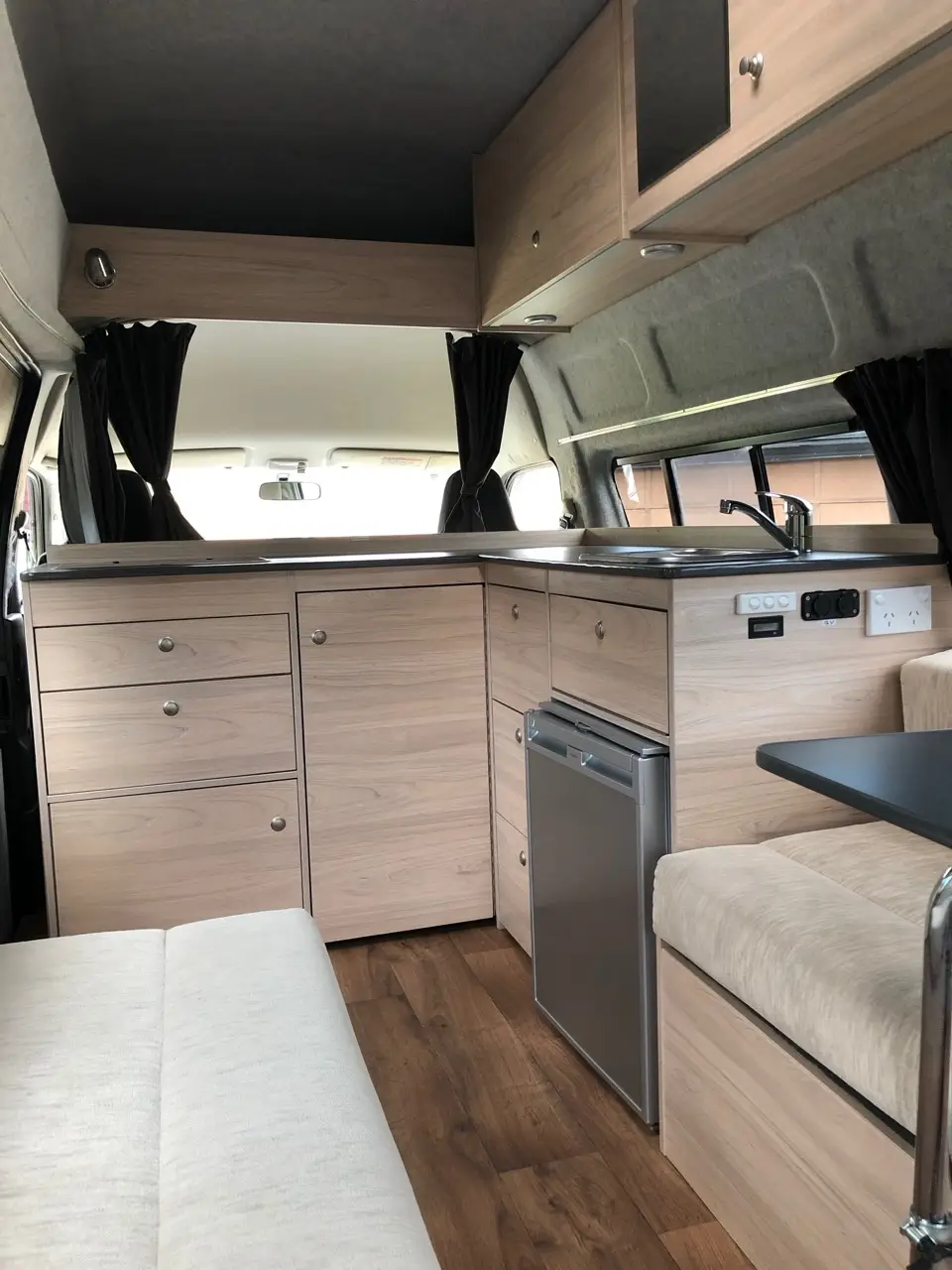
In a small two-berth campervan, the kitchen is usually a narrow galley along one side of the living area. It may have a bench with a sink and tap at one end, a gas cooker beside it, and cupboards or drawers below. The fridge is often built into the lower cabinetry or placed at the end of the kitchen unit.
The benchtop is small but usually large enough for making sandwiches, chopping vegetables, or setting out a couple of bowls. Many layouts include a removable or fold-out section for extra preparation space. Because the bed or rear seating area doubles as your dining and living space, the kitchen needs to remain tidy and compact.
In a Toyota Hiace-style conversion, the walkway matters as much as the kitchen itself. A well-planned interior allows one person to cook while the other moves around, reaches the fridge, or sits down. It may seem like a small detail, but it makes a noticeable difference after a week or two on the road.
The essentials you can expect
A campervan kitchen is built around a few reliable basics. You will usually find a sink with fresh-water storage, a cooker, a fridge, and dedicated space for cookware, crockery, and food. Better-equipped vans may also include a second battery, solar charging, and practical lighting, keeping the kitchen usable when you are not connected to mains power.
Cooking facilities
Most compact campervans have a two-burner gas hob. That is enough for everyday road-trip meals, such as pasta and sauce, eggs and coffee, soup on a cold evening, or a quick stir-fry after a walk. Some vans have an integrated cooker, while others use a portable gas unit that stores neatly away.
Ovens are less common in small campervans, and most travellers do not miss them. New Zealand has excellent supermarkets, local bakeries, and roadside produce stalls, so simple, fresh meals are often the most practical and enjoyable choice. If elaborate cooking is important to you, a larger motorhome may be a better fit, although it will cost more to hire and be harder to manage.
Look for a splashback or easy-clean surface around the cooking area, along with good ventilation. Opening a window or roof vent while cooking helps reduce condensation, especially during the cooler months.
Fridge and food storage
A 12-volt compressor fridge is particularly useful in New Zealand. It keeps milk, cheese, meat, and drinks cold while you travel, without relying on ice packs. Capacity varies between vehicles, but a compact fridge usually works well for a couple who shop every few days.
Food storage is usually divided among several small cupboards, drawers, and overhead lockers. This works well because items must remain secure in a moving vehicle. Well-designed cupboards have catches that stay closed on winding roads, while drawers stop cutlery and utensils from becoming a noisy jumble.
Pack dry food in soft-sided containers or reusable bags instead of bulky packaging. This saves cupboard space and makes breakfast easier to find before an early departure.
Water, sink and washing up
The sink is usually small but deep enough for plates, mugs, and a saucepan. Fresh water comes from an onboard tank, with a separate tank collecting grey water. Because the supply is limited, sensible habits matter. Wash dishes soon after eating, use a washing-up bowl if one is supplied, and avoid leaving the tap running.
Managing water is one of the main differences between a campervan holiday and staying in accommodation. You need to refill at suitable locations and empty grey water only at approved dump stations. These simple habits are part of responsible campervan travel and help protect the places everyone has come to enjoy.
A simple routine helps. Fill drinking bottles whenever fresh water is available, check the tank before entering remote areas, and visit a dump station before the grey-water tank is full. During the vehicle handover, make sure you understand your campervan’s tank capacities and gauges.
Power for the kitchen and everyday living
The kitchen relies on the van’s electrical system. A leisure battery usually powers the fridge, interior lights, water pump, and USB charging points. Solar panels can replenish the battery when the van is parked in good sunlight, while the engine helps charge it as you drive.
Electricity is still limited. Cloudy weather, several days in one place, and high-power appliances can drain the battery. Hairdryers, electric heaters, and household appliances generally require mains power at a holiday park, if they can be used at all. A quality campervan provider will explain these limits clearly rather than promise unrestricted off-grid comfort.
For most travellers, the solution is simple: cook with gas, keep the fridge door closed, charge devices while driving, and choose a powered site when you want to use mains appliances or reset after a few nights off-grid.
Kitchen gear: what is normally supplied?
A rental campervan kitchen should be ready for everyday use, not simply fitted with appliances. It will usually include pots and pans, a kettle, plates, bowls, mugs, glasses, cutlery, cooking utensils, and basic cleaning supplies. Some operators also provide a can opener, colander, chopping board, and storage containers.
Check what the vehicle includes before you travel, especially if you have a preferred coffee method or specific dietary needs. Bringing one or two small personal items may be useful, but avoid overpacking. Space is valuable, and a small set of versatile cookware is usually more practical than bringing a full kitchen drawer from home.
At BANZ Travelcars, the focus is on practical, well-maintained compact conversions that give two people the equipment they need without making the van difficult to drive. Use the walkthrough at collection to learn how to light the cooker, read the water gauge, operate the fridge, and adjust a cupboard latch if needed.
Storage and safety matter more than fancy finishes
A campervan kitchen can look beautifully finished, but its real quality is revealed on a bumpy road or wet evening. Cupboards should close firmly, gas bottles should be safely housed, and loose gear should have a place before you drive away. Keep heavy items low down, and never leave a kettle, knife or glassware on the bench while travelling.
Gas safety also deserves attention. Turn off the cooker after use, ventilate the van while cooking, and follow the handover instructions for the gas supply. Most vans have safety equipment such as a fire extinguisher or fire blanket. Know where it is before you need it.
Freedom camping changes the way you use the kitchen
A self-contained campervan gives you more flexibility to stay in suitable places away from traditional accommodation, but freedom camping is not a licence to stop anywhere. Local rules, signs, vehicle certification requirements and seasonal restrictions all apply. Some areas only allow certified self-contained vehicles, while others direct travellers to designated sites.
From a kitchen perspective, the key is to arrive prepared. Carry enough water, store rubbish until you can dispose of it properly, and leave your site exactly as you found it. Cooking dinner with a view of the mountains or coast is one of the great pleasures of a New Zealand road trip. Respectful habits are what keep those experiences possible.
A campervan kitchen does not need to be big to be genuinely comfortable. Choose a layout that feels organised, learn its simple systems on day one, and plan meals around fresh local ingredients and the places you want to stop. Soon, making tea at a quiet lookout or breakfast before the road opens up will feel like part of the journey, not a compromise.