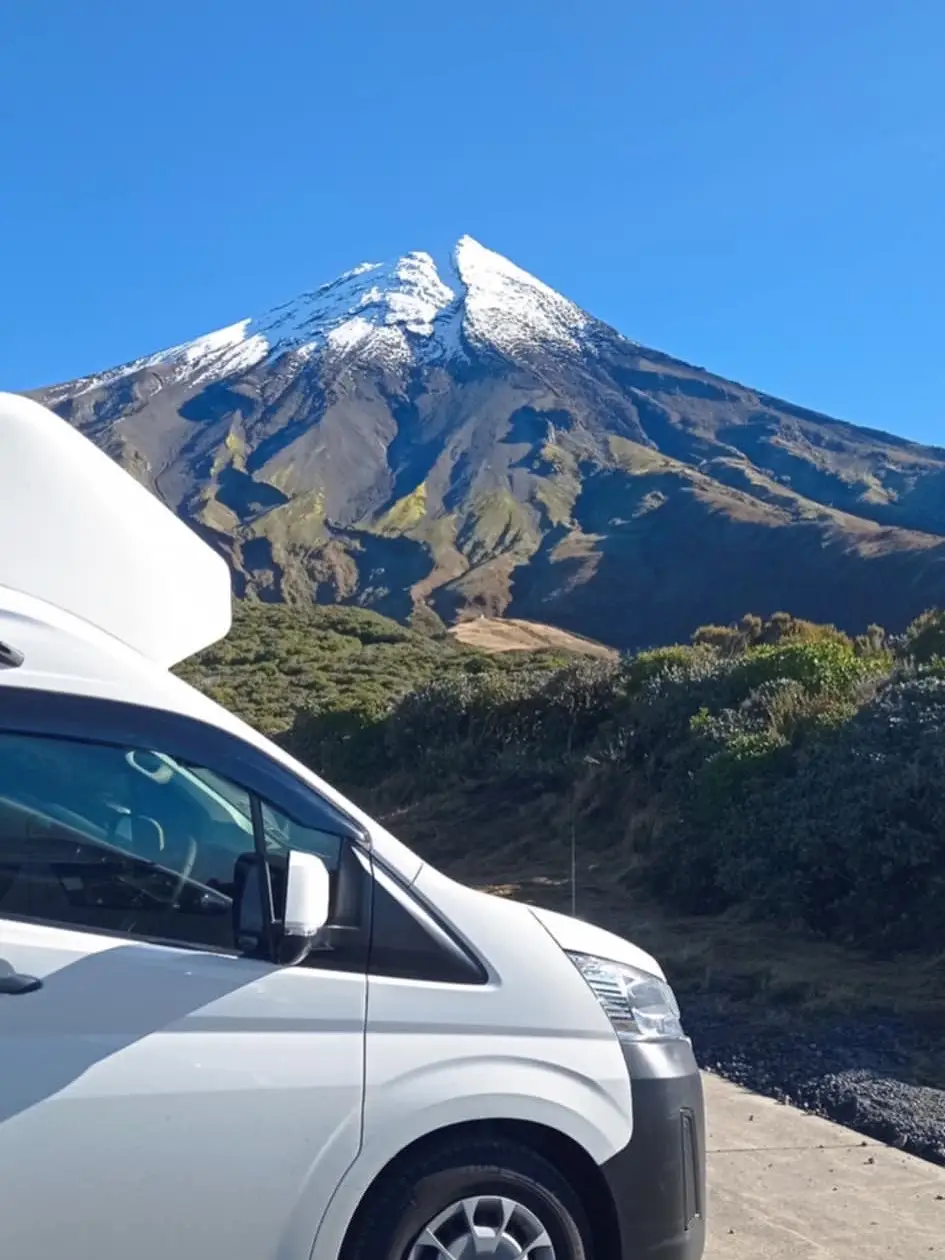
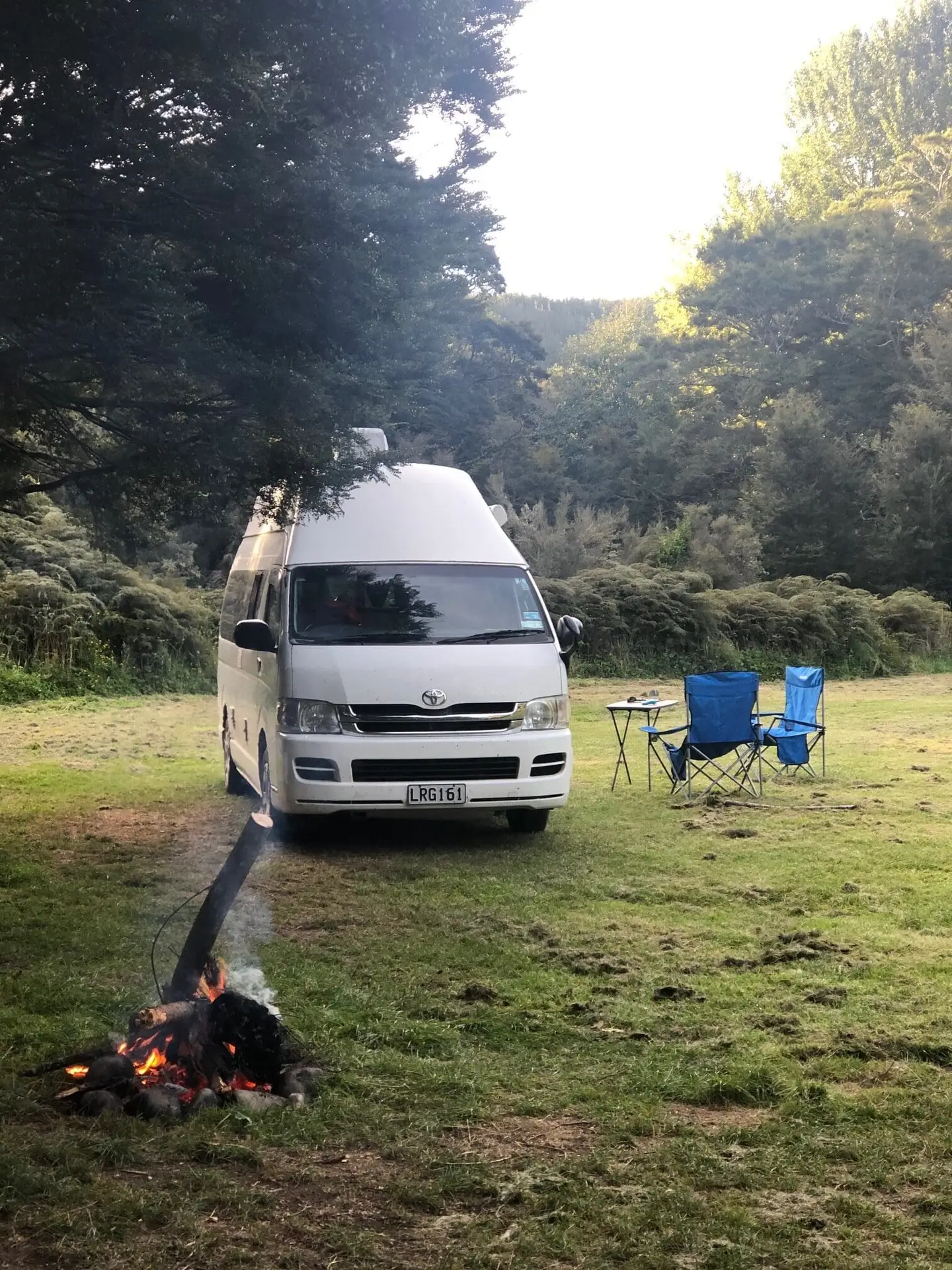
A good small campervan road trip checklist is less about packing for every possible situation and more about leaving room to enjoy the trip. In New Zealand, your plans can shift quickly: a sunny beach afternoon can become a cold, wet evening, and a short drive on the map can take longer than expected on winding roads. A well-prepared small campervan gives you the freedom to adapt without having to carry half your home with you.
For couples, solo travellers and anyone choosing a compact van over a large motorhome, the advantage is simple. You can drive more easily, park in more places and keep costs sensible, while still having a comfortable bed, cooking facilities and the essentials for life on the road.
Your small campervan road trip checklist before departure
Start with the practical documents and bookings. Keep your passport, driver licence, travel insurance details, rental agreement and payment card together in a small document wallet. International visitors should check that their licence is valid for driving in New Zealand before arriving. If you are travelling during summer, school holidays, or over Christmas and Easter, book popular campsites, ferries, and key activities in advance.
Download offline maps before collecting your van. Apps like Google Maps (make sure to download your driving regions for offline use) or Maps.me are both reliable choices for New Zealand and can help keep you on track even when there’s no signal. Mobile coverage can be patchy in remote parts of both islands, particularly in mountain areas and along some stretches of the West Coast. A road closure, weather warning or detour is much easier to manage when you can still see where you are.
It also helps to share a loose itinerary with someone at home. You do not need a rigid day-by-day plan, but let them know your intended route and when you expect to check in. That small step is sensible when exploring less travelled areas.
Pack for layers, not for every outfit
New Zealand weather rewards travellers who can add or remove a layer. Even in summer, mornings and evenings can be cool, especially around the central plateau, alpine passes and the South Island. Bring a warm mid-layer, a waterproof outer jacket, comfortable walking shoes and a hat for sun protection.
Choose clothes that can be worn more than once and dry reasonably quickly. Laundries are easy to find in larger towns and holiday parks, so there is no need to pack two weeks of clothing for a two-week trip. Soft bags are usually easier to stow than hard suitcases, and they make a small van feel far less crowded.
Your personal kit should also include sunscreen, insect repellent, sunglasses, a reusable drink bottle, any prescription medicines and a basic first-aid kit. Sandflies can be persistent around lakes, rivers and parts of the coast, so repellent earns its place in the cupboard.
Bring the small things that improve daily life
Most campervans include core cooking and living equipment, but a few personal items make a noticeable difference. Pack a head torch for late arrivals, a power bank for day walks, a small daypack, a quick-dry towel and a laundry bag. Earplugs can be useful at busy campgrounds, while a book, cards or downloaded entertainment can make a rainy evening feel relaxed rather than restricted.
If you are travelling between seasons, add a compact umbrella and a warmer pair of socks. Heating and proper bedding matter on colder nights, but it is still pleasant to have something warm to put on before breakfast.
Check the van while it is still daylight
A proper vehicle handover is your chance to become comfortable with your home on wheels. Take your time. Ask how the bed converts, where the fresh-water tank is filled, how the fridge works, where the gas bottle is located and how to use the heating and power system. During the handover, make sure you know what to do in case of a breakdown or if any equipment isn’t working as expected. Ask for the rental company’s emergency contact details and keep them somewhere easy to find. If you experience any issues on the road, call the rental company promptly for advice or assistance—they are there to help you get back on track quickly and safely.
In a well-equipped small van, features such as solar charging and a dual-battery system can help you stay independent between powered sites. They are not an invitation to use unlimited power, though. Check the battery level each day, avoid leaving lights on, and understand which appliances work when the van is not connected to mains power.
Before setting off, make sure you know these essentials:
- how to operate the indicators, headlights, windscreen wipers and demister
- where to find the spare tyre or tyre repair equipment, first-aid kit and emergency contacts
- how to empty wastewater and toilet facilities, if fitted
- how to secure doors, windows, loose gear and the gas supply before driving
Take a few photos of the vehicle at collection for your own records, then do a short practice drive if you have not driven on the left before. A compact Toyota Hiace-based campervan is considerably less intimidating than a large motorhome, but its height, length and rear visibility still take a little familiarisation.
Plan food around your fridge, not a supermarket trolley
It is easy to overbuy on the first day, particularly after a long flight. Small van travel works best when you shop in modest amounts every few days. Buy breakfast supplies, easy lunches, a few simple dinners, fruit, snacks and drinks, then top up as you travel through towns.
Think in meals that use overlapping ingredients. Eggs, wraps, salad greens, cheese, pasta, rice, tinned beans and a few spices can cover several days without filling every cupboard. Keep one easy meal on hand for the night you arrive late, when cooking from scratch is the last thing you feel like doing.
Store food securely before driving and wipe benches as you go. Crumbs and open packets are an open invitation for insects, and an organised kitchen makes morning departures much faster.
Drive for New Zealand conditions
The distance in kilometres between two places does not always tell you how long the drive will take. Many New Zealand roads are narrow, steep or winding, with one-lane bridges, changing weather and occasional stock on rural routes. Build extra time into every travel day, particularly if you want to stop for walks, lookouts and photos.
Drive on the left, wear seat belts at all times, and stay within the posted speed limit. If traffic builds behind you on a narrow road, use a safe pull-over bay when available and let faster vehicles pass. There is no prize for trying to keep pace with local drivers on an unfamiliar road.
Check road and weather conditions before heading into alpine areas. Snow, ice, heavy rain and high winds can affect routes at different times of year. Keep the fuel tank topped up when travelling through remote regions, rather than assuming the next service station will be close or open late.
Fatigue is another common issue after an international flight. Keep the first driving day short if possible, share driving when you can, and stop before you become tired. The best roadside views are rarely found when you are rushing to reach the next town before dark.
Camp respectfully and sleep more comfortably
Freedom camping can be a wonderful part of a New Zealand road trip, but it comes with responsibility. Only stay where overnight camping is permitted, follow local signs and restrictions, and use designated facilities where required. A self-contained vehicle gives you more options, yet it does not mean every beach car park or roadside reserve is available for overnight stays.
Arrive before dark whenever possible. You will have time to choose a suitable space, set up your bed, locate toilets and take in the surroundings without disturbing other campers. Keep noise low, take all rubbish with you and never empty wastewater anywhere except an approved dump station.
For a better night, level the van as much as practical, close blinds or curtains, charge devices before bed and keep tomorrow morning’s clothes within reach. Condensation can happen in any compact sleeping space, especially in cool weather. Ventilate sensibly, use the vehicle’s heating as instructed and give bedding a chance to air during longer stays.
Holiday parks are worth mixing into your route. A powered site can be useful for a long shower, laundry, a full battery recharge and a proper reset after several nights off-grid. The best itinerary often combines freedom camping, campgrounds, and occasional accommodation near a special activity.
Leave space for the unexpected
The most memorable New Zealand road trips usually include an unplanned swim, a farm stall lunch, a short walk that turns into a favourite view, or an extra night beside a lake because the weather is too good to leave. Do not pack your schedule as tightly as your cupboards.
With a clean, well-maintained campervan, a few sensible supplies and enough time between destinations, you can travel independently without making life complicated. BANZ Travelcars has spent decades helping travellers get that balance right: practical comfort, straightforward support and the freedom to follow the road that looks most promising.