A good hitop campervan review NZ travellers can actually use needs to answer the real question: will this style of van make your trip easier, or will you spend two weeks wishing you had booked something else? In New Zealand, where roads change quickly from city traffic to winding alpine passes and remote coastal routes, that matters more than glossy photos.
For many couples and solo travellers, a hitop campervan sits in the sweet spot. It is smaller and easier to handle than a full motorhome, but offers more comfort and practical living space than a basic sleepervan. That balance is the reason hitops remain such a popular choice for independent road trips around Aotearoa.
What a hitop campervan is really like on the road
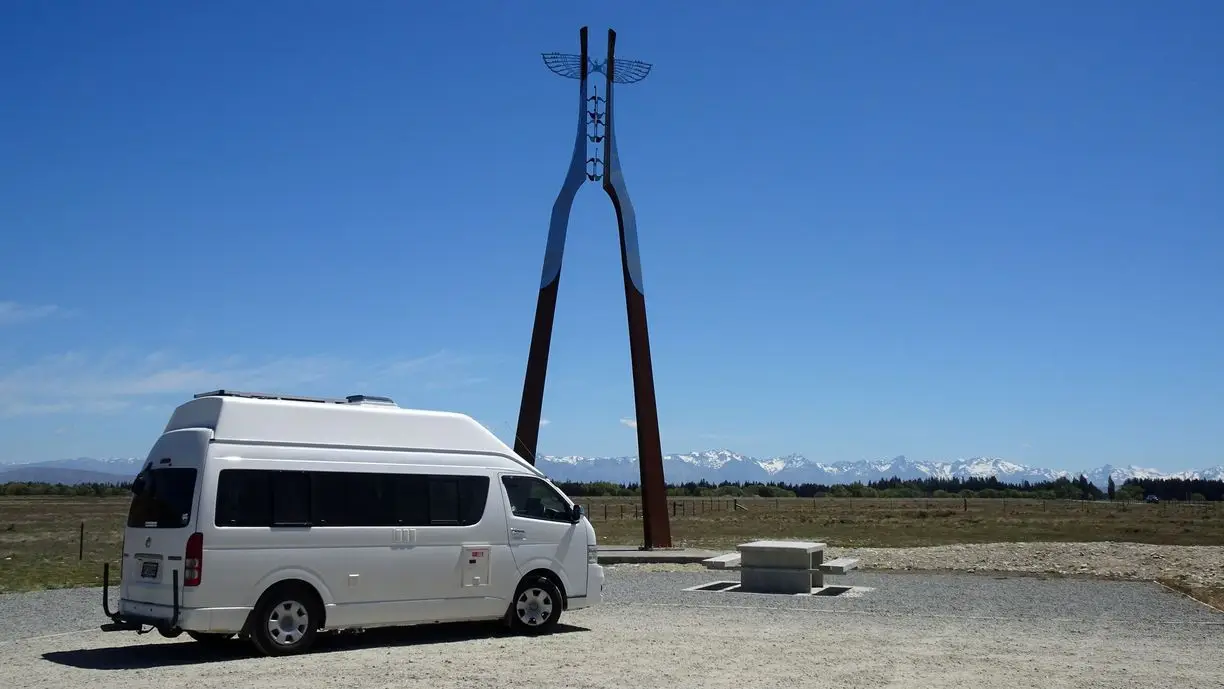
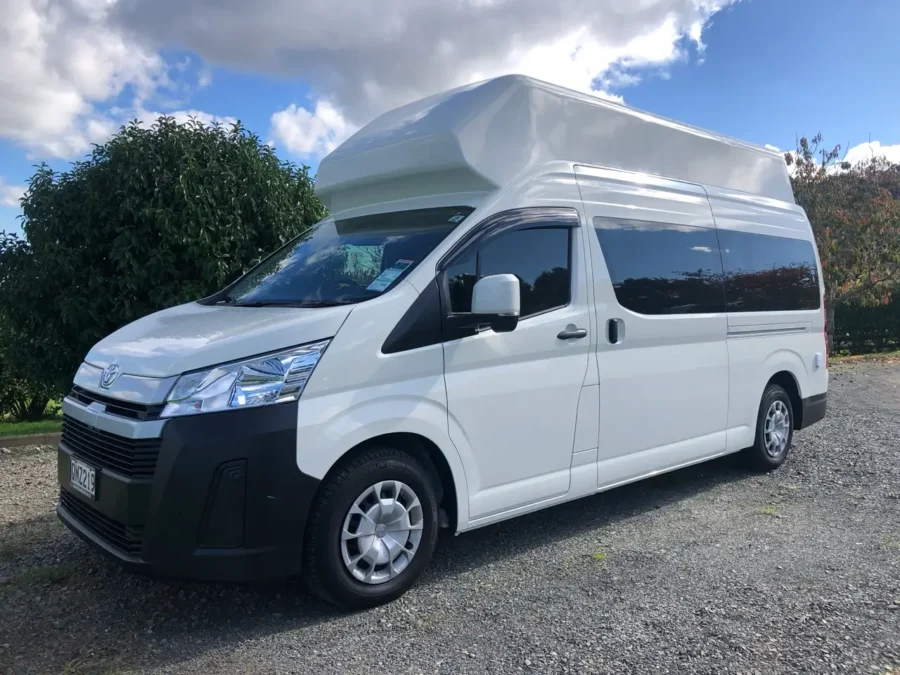
A hitop is usually built on a van platform, such as a Toyota Hiace, with a raised, fixed roof that provides standing room inside. That one feature changes the travel experience more than many first-time renters expect. Being able to stand up to get dressed, make breakfast, or sort your bags on a wet morning makes day-to-day travel much less tiring.
On New Zealand roads, size matters. A hitop is still compact enough to park in ordinary spots, manage supermarket runs, and feel less intimidating on narrow roads. If you are travelling through smaller towns, coastal lookouts, or scenic areas where parking can be tight, that is a genuine advantage over larger campers.
The trade-off is that a hitop does not offer the same interior space as a larger motorhome. You are choosing efficiency over excess space. For two people who like travelling light and spending most of the day outdoors, that is usually a good compromise. For travellers carrying bulky gear or wanting separate lounge and sleeping areas, it may feel more limited.
Hitop campervan review NZ: the biggest advantages
The strongest point of a hitop campervan is usability. It tends to suit the way people actually travel in New Zealand – driving moderate distances, stopping often, cooking simple meals, and moving between campgrounds, holiday parks, and scenic overnight spots.
A well-designed hitop gives you enough height to move comfortably, proper storage for food and clothing, and a bed setup that does not feel like an afterthought. In practical terms, that means less daily packing and unpacking, less crouching, and fewer compromises when the weather turns rough.
Drivability is another major plus. A Hiace-based hitop quickly feels familiar, even for overseas visitors adjusting to driving on the left. It is more van-like than truck-like. That matters on twisting roads, in ferry queues, and at service stations where a huge vehicle can feel awkward.
Running costs can also be kinder. A smaller campervan generally uses less fuel than a larger motorhome, and ferry pricing or campsite choices may be simpler too. If your budget is finite, keeping the vehicle compact often leaves more room for activities, longer stays, or the occasional proper meal out.
Where a hitop can disappoint
Not every traveller will love one. Space is the most obvious limitation. If you and your travel partner have very different routines, need lots of privacy, or want a separate toilet and shower built in, a hitop may feel a little too close for comfort.
Weather also changes the experience. In summer, a hitop can feel ideal – airy, mobile, and easy. In a long spell of rain, smaller living quarters become more noticeable. This is where interior design matters. Good ventilation, practical seating, heating, and sensible storage all make a big difference.
Headroom alone does not guarantee comfort. Some vans technically allow you to stand, but still feel cramped because the walkway is tight or cupboards are poorly placed. Others make much better use of the footprint with a walkthrough interior, easy bed access, and enough bench space to prepare a meal without frustration.
What to look for beyond the photos
A proper hitop campervan review NZ renters can rely on should look past the marketing and focus on the details that affect everyday travel.
The bed setup is one of the first things to check. Is it long enough for taller travellers? Is it easy to convert, or does it stay made up? If you are moving every day, a simple layout saves time and arguments. The mattress matters too. A smart-looking van is not much use if you wake up sore after two nights.
Power systems are another area where quality shows. Solar, a dual battery setup, and sensible charging options make the van more flexible, especially for travellers who want to be less dependent on powered sites. The same goes for a fridge that is large enough for more than a couple of drinks and a packet of cheese.
Heating is worth serious attention outside high summer. New Zealand nights can get cold, even when days are mild. A campervan with reliable heating is not a luxury for shoulder-season travel. It changes how comfortably you sleep and how willing you are to keep travelling in cooler regions.
Storage is often underestimated. You do not need endless cupboard space, but you do need storage that is easy to access and secure while driving. Bags thrown on the bed or loose gear underfoot quickly make a small van feel chaotic.
The freedom camping question
Many travellers searching for a hitop campervan review NZ are really trying to work out whether a van will support a more flexible style of travel. That often includes freedom camping, or at least the option to stay off-grid from time to time.
This depends less on the roof height and more on the campervan’s certification and onboard systems. If a van is properly equipped with the right self-contained features, solar support, water setup, and practical living design, it opens up more choices. If not, you may rely more heavily on commercial campgrounds.
That is not necessarily a bad outcome. Plenty of travellers mix holiday parks with occasional off-grid stays. The key is to book a van that suits the trip you want, rather than assuming every campervan offers the same level of independence.
Who a hitop suits best
For couples, solo travellers, and long-stay visitors who want to keep things simple, a hitop often makes excellent sense. It gives you a proper campervan experience without the bulk, cost, and driving stress of a larger unit.
It is especially well suited to people who value mobility. If your ideal trip includes moving regularly, visiting smaller towns, and taking the scenic route rather than rushing between big parks, a hitop is usually a very comfortable match. It also works well for travellers who want enough onboard equipment to cook, sleep well, and stay organised, but do not need every extra feature under the sun.
Travellers who may want to look higher up the size range are those planning very long indoor stretches, carrying sports equipment, or prioritising a built-in bathroom. There is no right answer for everyone. The best van is the one that fits the way you travel, not the one with the biggest body.
Why the rental company matters as much as the van
Two hitop campervans can look similar on paper and deliver very different experiences. Maintenance standards, cleanliness, build quality, and support all matter. A family-run operator with years of experience usually understands the small things that make a trip smoother – clear handovers, honest advice, practical vehicle design, and help when plans shift.
That is particularly relevant in New Zealand, where road conditions, weather, and travel distances can change quickly. Good support gives peace of mind, especially for international visitors unfamiliar with local driving and camping expectations. BANZ Tours and Rentals Ltd has built its reputation around that more personal style of service, which suits travellers who want straightforward help rather than a call-centre experience.
So, is a hitop worth it?
For a large share of New Zealand road trippers, yes. A hitop campervan offers one of the best balances of comfort, affordability, and everyday drivability. It gives you standing room, useful liveability, and enough self-sufficiency for a flexible trip, without pushing you into a vehicle that feels oversized for the roads you actually want to explore.
The catch is simple: quality matters. A well-maintained, thoughtfully designed hitop can feel easy and liberating. A poorly laid out one can feel cramped and tiring. If you choose carefully, a hitop is not the compromise option – it is often the smart one.
If you are planning a New Zealand road trip, think less about having the biggest campervan on the road and more about having one that lets you settle in quickly, drive with confidence, and enjoy the places you came to see.