Not long ago, many travelers thought a New Zealand road trip meant picking either a strict backpacker budget or a pricey motorhome. Now, that gap is closing. More people want to travel affordably without sacrificing comfort, and this is changing how they plan, book, and get around the country.
The main thing is that travelers are not just looking for cheaper trips; they want better value. They pay attention to fuel use, campsite fees, vehicle size, cooking options, and whether the van fits the roads they plan to drive. For couples, solo travelers, and those staying longer, the best choice is often not the biggest van or the lowest price, but the setup that keeps daily costs manageable while staying comfortable. For example, imagine a couple comparing a large motorhome with a compact campervan. While the larger van might look appealing at first, its higher fuel consumption and more expensive campsite fees can add up. Over a week, they might spend $350 more on fuel and parking than if they chose a smaller, fuel-efficient van that still has a good bed and cooking gear. By opting for a practical setup, travelers can spend less on the basics each day and save more for experiences they will remember.
What budget road trip trends in New Zealand are really showing
The biggest shift is that travelers are getting more selective. Instead of just asking, “What is the cheapest way to get around?” they now ask, “What will cost less for the whole trip?” That is a smarter question.
A cheap rental can lose its appeal if the van uses too much fuel, is hard to park, or lacks basic features. But a well-designed small campervan can help you save in many ways. You might use up to 30% less petrol compared to a large motorhome, which over a two-week trip could mean saving $200 or more just on fuel. Cooking your own meals in a van typically cuts food costs by about 40% compared to eating out daily. Plus, a compact camper gives you more freedom to choose where to stay each night, letting you take advantage of free or low-cost campsites.
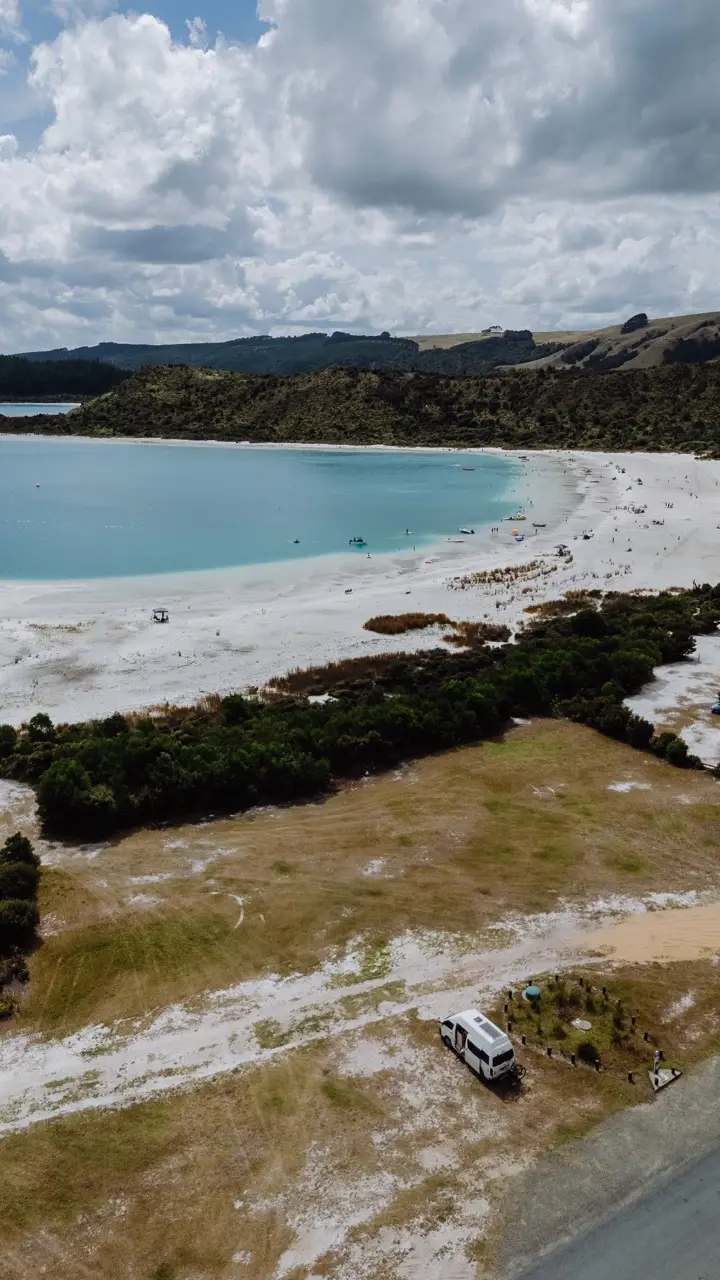
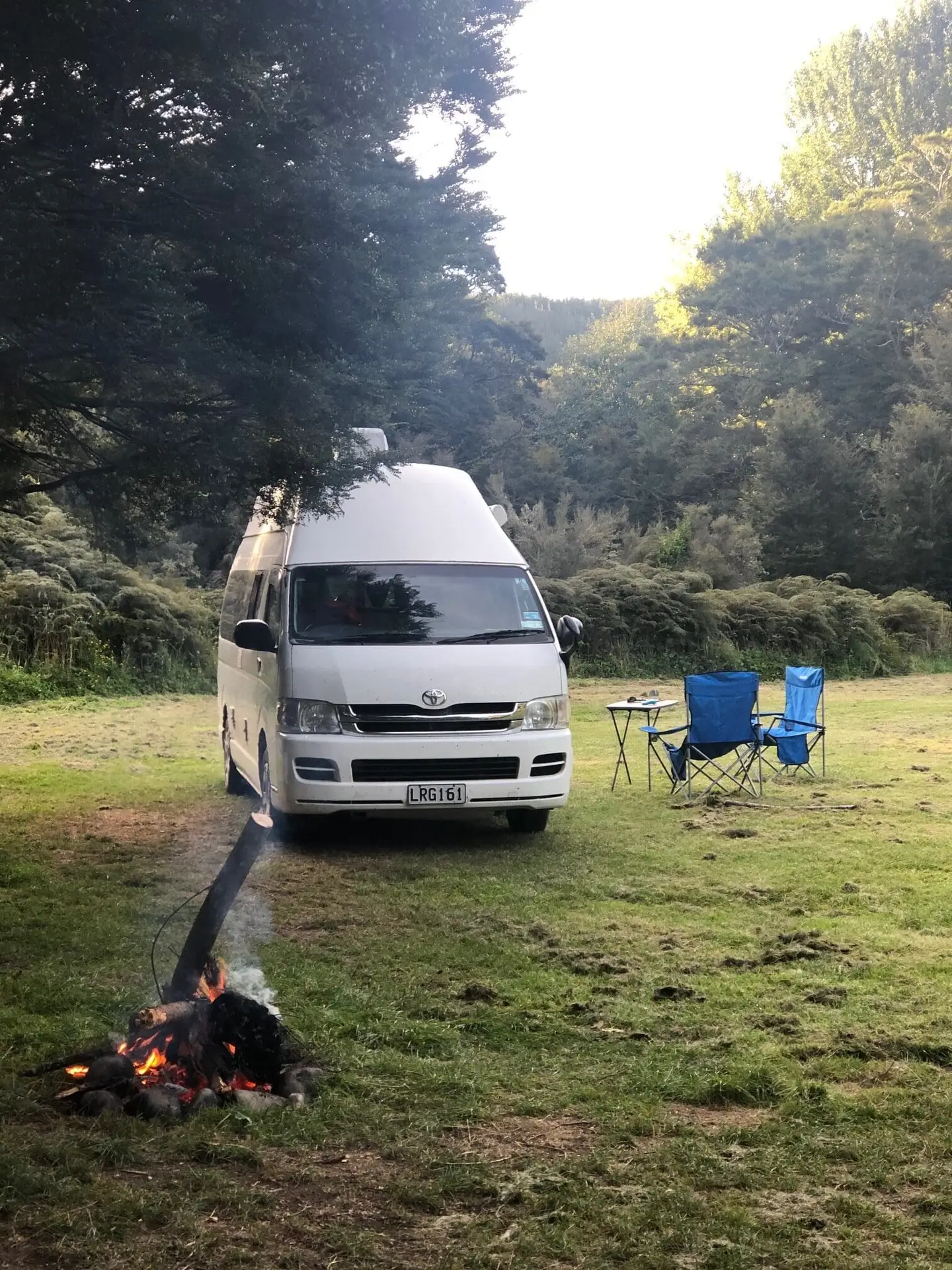
That is why smaller two-person and compact campervans are getting more popular. They fit the way most people travel in New Zealand: steady driving, lots of scenic stops, visits to towns, coastal detours, and overnight stays that don’t require a big vehicle. Large motorhomes can be great for families, but for couples or solo travelers, you might end up paying for space you do not need.
More travelers are also choosing slower itineraries. They are fitting less into each day, driving fewer kilometers, and staying longer in each place. This saves money and makes the trip feel more relaxed. New Zealand roads are beautiful, but they take time. When people stop trying to see everything, they often spend less on fuel and short stays, and get more out of each destination.
Smaller vans, smarter budgets
One clear trend is that compact campervans are popular because they are practical, not just basic. Travelers still want the essentials done right: a good bed, heating for cold nights, useful storage, a fridge that holds more than just snacks, and enough power to stay comfortable off-grid.
This is important in New Zealand because the weather can change fast. On one trip, you might have warm beach days, cold alpine mornings, and rainy evenings all in the same week. A cheap van with poor insulation or no heating might look good online, but it can get uncomfortable on the road. Budget travel works best when your van helps you avoid extra costs, not add to them.
This is where good design really matters. A van that is easy to drive in towns, simple to park, and fuel-efficient usually saves you money and stress. For many travelers, especially those from overseas getting used to local roads, feeling confident behind the wheel is also part of staying on budget. If the van feels easy to handle, the trip usually goes more smoothly.
Travellers are spending differently, not just spending less
Another shift is in how people choose to spend their money. Many travelers cut back on accommodation and transport costs so they can spend more on memorable experiences—a glacier walk, a winery lunch, a ferry ride, a great meal in a small town, or a few extra days in a place they end up loving.
This is why self-drive travel is so appealing. When your transport and sleeping arrangements are combined, you have more control. You can change your plans if the weather changes, stay near a walking trail instead of going back to a hotel, or cook breakfast with a view and save your money for dinner. These simple choices add up over a few weeks.
This also shows why clear pricing matters more now. Travelers read the details more carefully than before. They want to know what is included, what is optional, and what might become an extra charge later. A cheap booking can get expensive fast once add-ons are added. Clear pricing, practical gear, and honest advice are now seen as good value.
To help avoid hidden costs, it is helpful to ask a few key questions when comparing rental options:
– What does the base price include? (e.g., insurance, bedding, kitchenware, mileage)
– Are there extra fees for additional drivers?
– Are one-way rentals or after-hours pick-ups/drop-offs charged separately?
– What is the fuel policy?
– Is there a charge for using toll roads or ferry crossings?
– How are cleaning and late return fees handled?
– Is there a bond or security deposit, and how is it refunded?
Taking a moment to clarify these details before booking can save money and avoid surprises later.
Freedom camping and low-cost stays still matter
Accommodation costs are still one of the biggest challenges for any New Zealand road trip budget. That is why being able to freedom camp and having access to low-cost camping options are important factors when booking.
Still, travelers are becoming more realistic. Freedom camping is not a magic solution for every budget. Local rules differ, some places are stricter, and being a responsible traveler is important. The better approach is to mix different types of stays in a sensible way. Before you go, check the latest information on freedom camping, including local bylaws and restrictions. Helpful sources include official New Zealand government sites and popular apps like CamperMate or Rankers, which offer detailed camping maps, site reviews, and rule updates to help you plan responsibly and avoid fines.
Staying at holiday parks for a few nights can be worth it for showers, laundry, power, and a good reset. A well-equipped van lets you balance these stays with cheaper options. The goal is not to spend as little as possible every night, but to build a trip that stays affordable and comfortable so you keep enjoying it.
Shoulder season travel is becoming more popular
One subtle yet important money-saving trend is the growing interest in shoulder-season travel. More visitors are choosing to come in spring or autumn instead of just during the busy summer weeks.
The reasons are simple. Rental rates are often better, popular spots are less crowded, and campsites are easier to book. The roads are usually quieter too, which helps if you are driving new routes. In many parts of New Zealand, shoulder season still offers great travel conditions, especially if your van has heating and is ready for cooler nights.
Of course, it depends on what you want from your trip. If swimming and peak beach weather are your main goals, summer is probably best. But if you care more about scenery, walks, flexibility, and a manageable budget, shoulder season is a smart choice.
Local knowledge is becoming part of the value
One trend that is often missed is that travelers now value support as much as the vehicle itself. It might not sound as exciting as talking about gear, but it really matters when you are on the road.
Traveling on your own is easier when you can get clear answers about routes, road conditions, weather, and how to make the most of your time. This is especially true for overseas visitors starting in places like Auckland or Christchurch and trying to plan realistic driving times. Your road trip budget is easier to manage when your plan fits the country, not the other way around.
This is also why family-run and owner-led businesses stand out. Personal handovers, practical trip advice, and quick support can save you time, stress, and surprise costs. It might not be flashy, but it is helpful. For many travelers, this kind of service is now part of what makes a rental a good value.
How to make these budget road trip trends in New Zealand work for you
The easiest way is to pick a vehicle that fits your actual trip, not just your dream trip. If you are traveling as a couple, have moderate luggage, and want a flexible route, a compact campervan usually makes more financial sense than a big motorhome. You will probably spend less on petrol and campsites, while still having the comfort you need for longer travel.
Here’s a quick checklist to help match your van choice to your needs and budget:
– How many people are you traveling with?
– How much luggage and gear do you have?
– Will you need to drive on narrow or unsealed roads?
– Do you need a bed you can leave set up during the day?
– Is onboard heating or good insulation important for your travel season?
– Will you be freedom camping or using powered campsites more often?
– How often do you want to cook your own meals?
– What is your realistic daily budget for fuel and campsite fees?
Thinking through these points will help you pick the most practical and comfortable option for your road trip.
It also helps to plan your route with fewer long drives. New Zealand is best enjoyed at a slower pace. Choose regions you can really explore instead of racing from one photo stop to the next. You will save on fuel and one-night stays, and your overall experience will be better.
Finally, do not just focus on the base rental price. Check what is included, how the van is set up for real travel, and if the company offers practical support before and during your trip. A well-maintained compact campervan from an experienced operator like BANZ Travelcars can often give you the kind of value that becomes clear once you are on the road.
The best budget road trips in New Zealand are not about cutting every corner. They are about finding the right balance between your van, your route, and your daily costs, so you can keep going when the scenery gets even better around the next bend.