A large motorhome is not necessary for a memorable month on the road. If you are considering a campervan roady with 2 mtb for 4 weeks on the North Island of New Zealand, for a couple planning a four-week campervan trip with two mountain bikes on New Zealand’s North Island, a compact, well-equipped van is ideal. It should be easy to drive, simple to park, and comfortable for daily living. This is especially important when your trip centres on riding, adapting to weather, and maintaining the flexibility to change plans.
The North Island is well-suited to this style of travel. Distances are manageable, trail networks cover diverse landscapes, and there is enough variety to keep four weeks engaging without feeling rushed. One day can be spent in the redwood forest, another on volcanic plateau trails, and soon after, you can be near the coast with your bikes and gear ready.
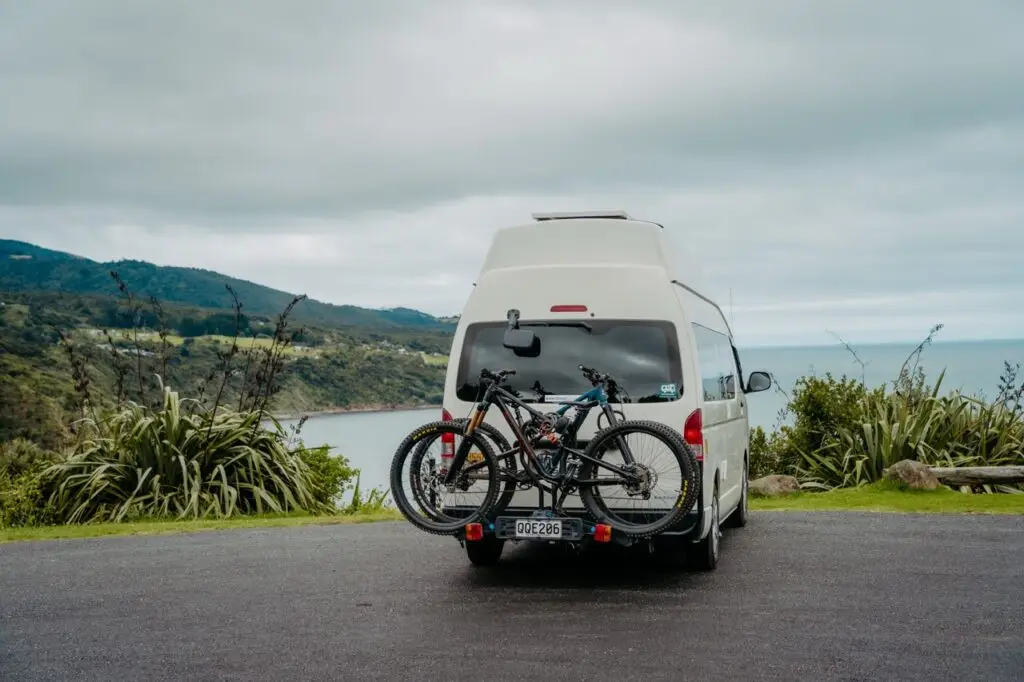
Why a campervan roady with 2 MTB works so well
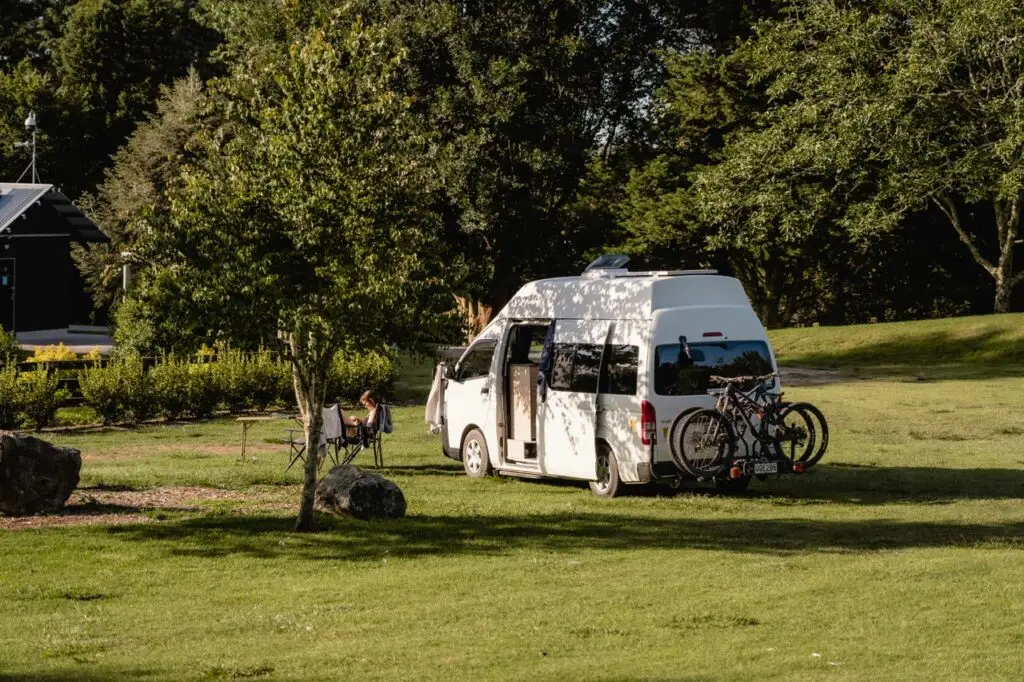
For two riders, a campervan addresses several practical challenges. It accommodates bulky gear, supports early starts, and provides comfort after long, often messy rides. A compact camper serves as a mobile base, eliminating the need to repack for hotels, worry about bike storage, or adhere to strict check-in times.
However, not every campervan setup is suitable for mountain biking. While space is important, layout is even more critical. A van may appear spacious in photos, but it can become cramped once you add helmets, shoes, gear, food, and two bikes. For a four-week trip, prioritise a setup that is practical and comfortable for daily living.
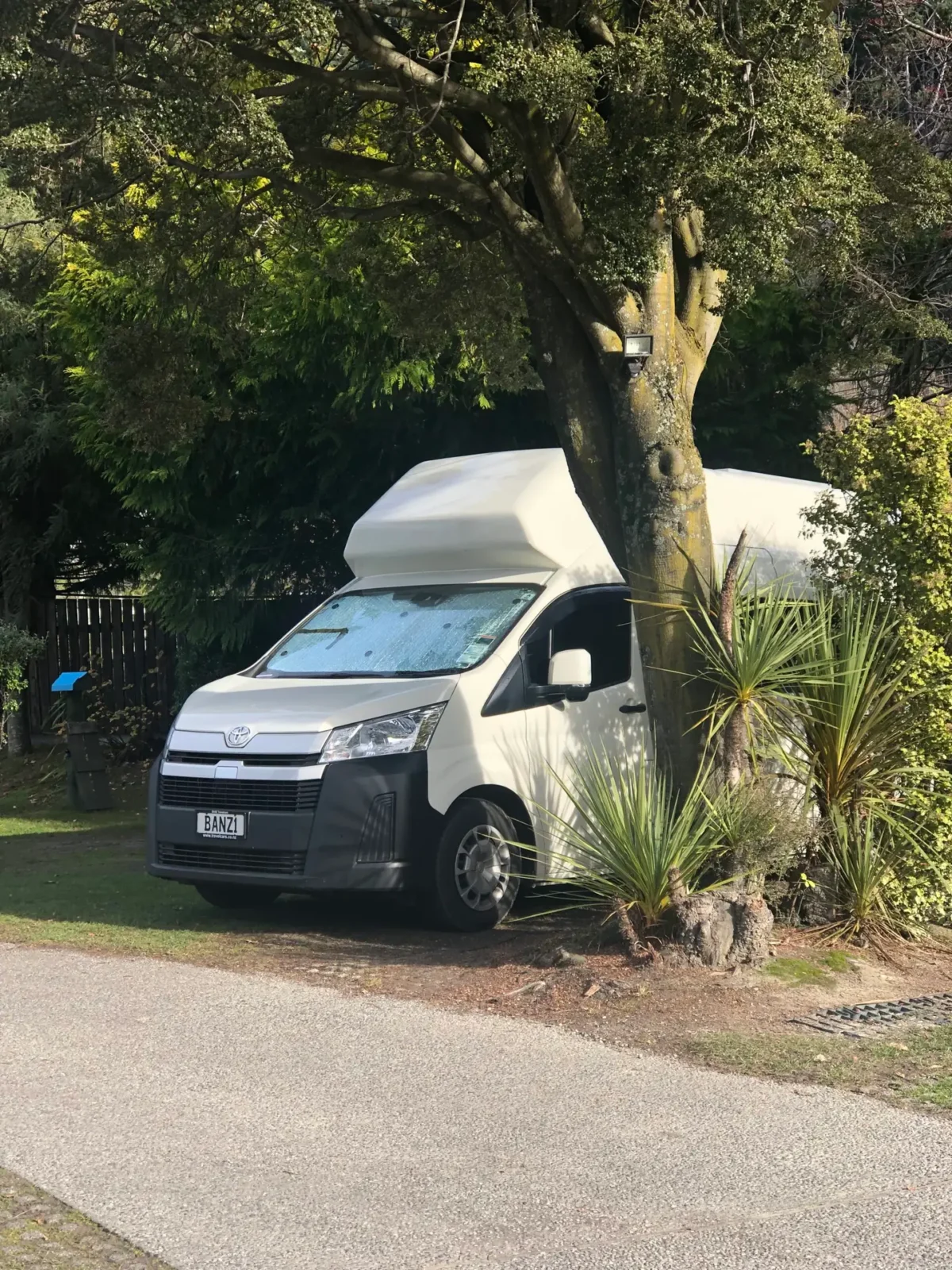
If you are renting, experience is valuable. A smaller, well-designed campervan often suits a riding couple better than a larger, less flexible vehicle. Vans similar in size to a Toyota Hiace are easier to handle on winding roads, more convenient in towns, and less stressful to park at busy trailheads.
What to get right before you leave
Overpacking is the most common mistake on a bike-focused road trip. Four weeks may seem long, leading many to bring gear for every situation, but this quickly creates clutter in a compact space. Bring enough riding gear for wet days and consecutive rides, but avoid excess that leads to constant reorganising.
Pack two quality riding kits per person, one warm layer for cooler conditions, versatile off-bike clothing, and a simple solution for wet gear. Microfibre towels, soft storage bags, and a compact washing line are more useful than extra outfits. Limit the number of shoes, as they take up significant space.
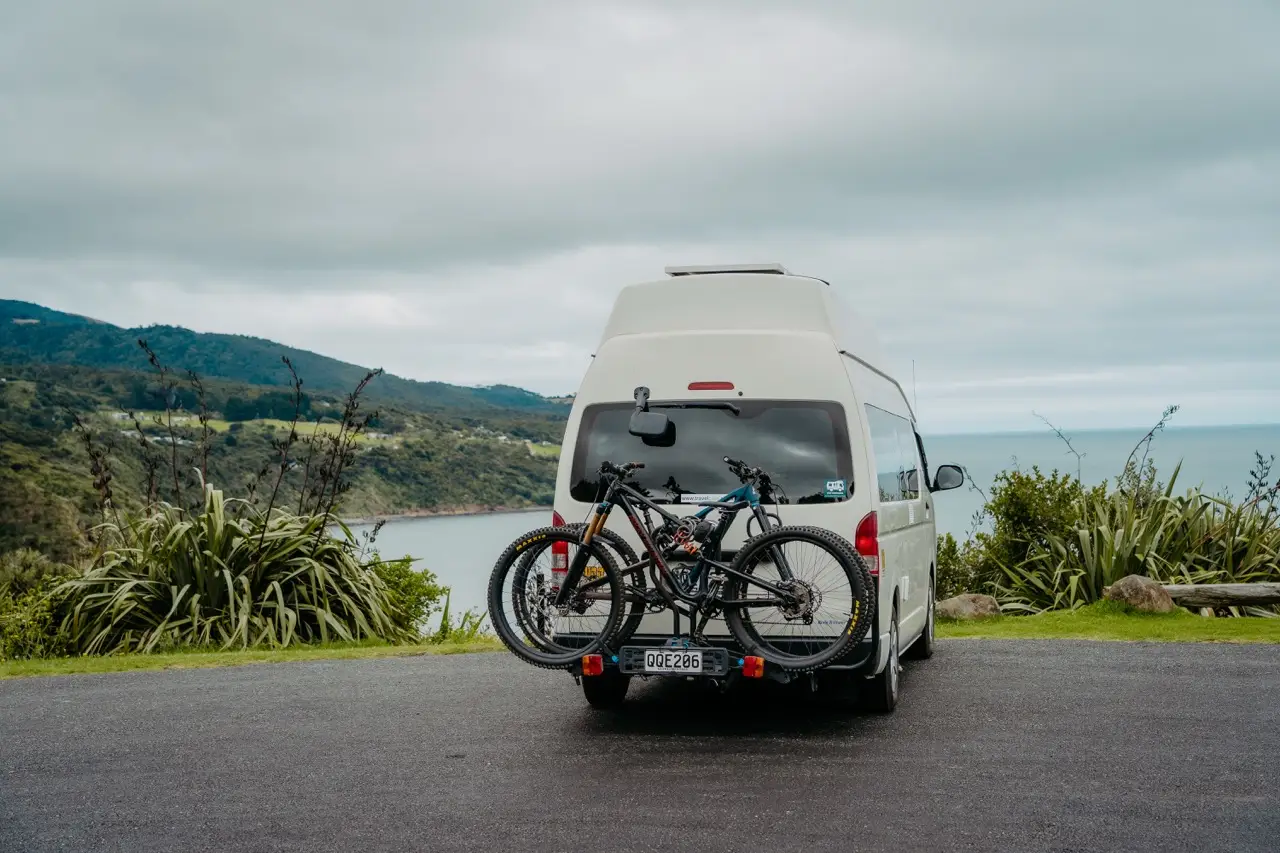
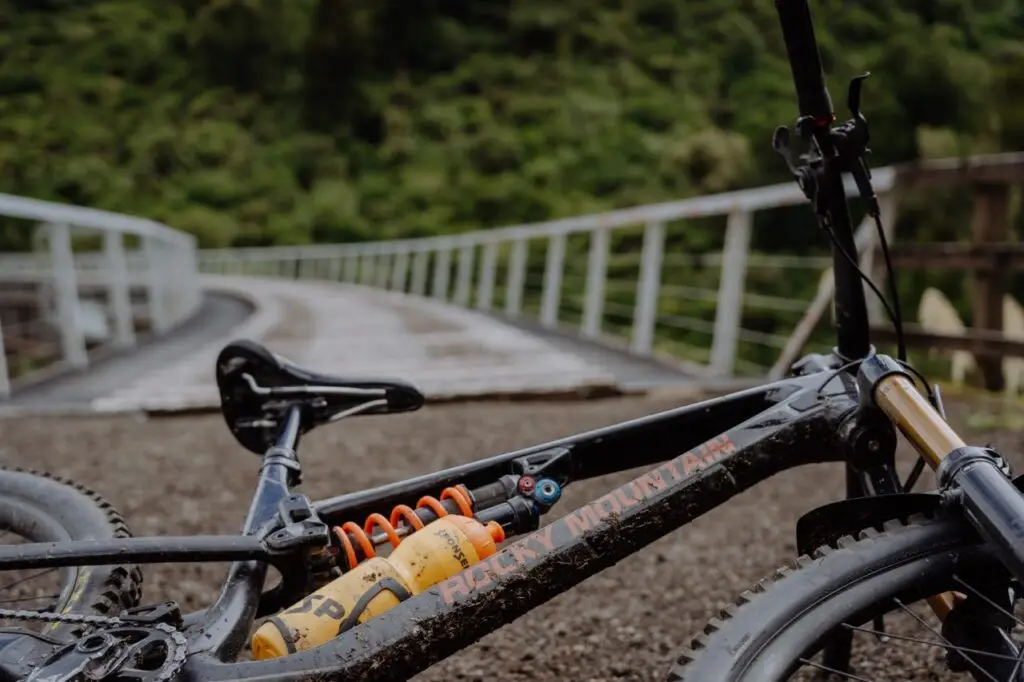
Bike transport is another key consideration. External racks are common and convenient, but assess their security, weather exposure, and ease of loading. For valuable bikes, bring strong locks and plan overnight parking carefully. In rough conditions, anticipate additional cleaning and maintenance.
Consider essential tools and spares. While a full workshop is unnecessary, ensure you have the basics: a spare tube or a tubeless repair kit, chain lube, a mini pump, a multitool, extra brake pads if needed, and a disposable rag. New Zealand’s riding conditions, especially in wet forests, can be tough on drivetrains.
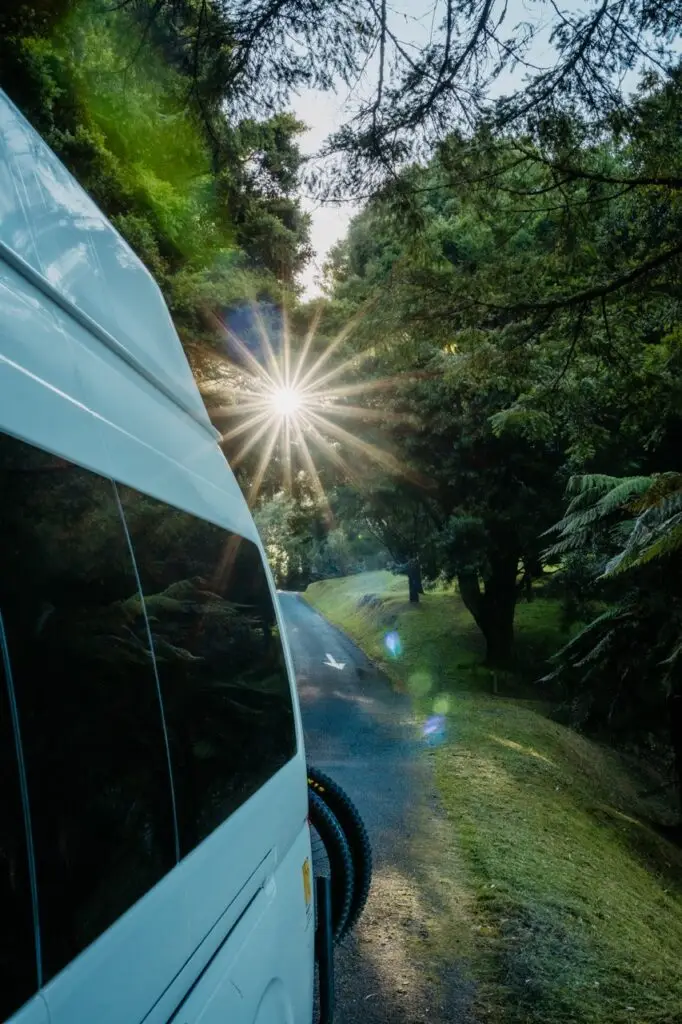
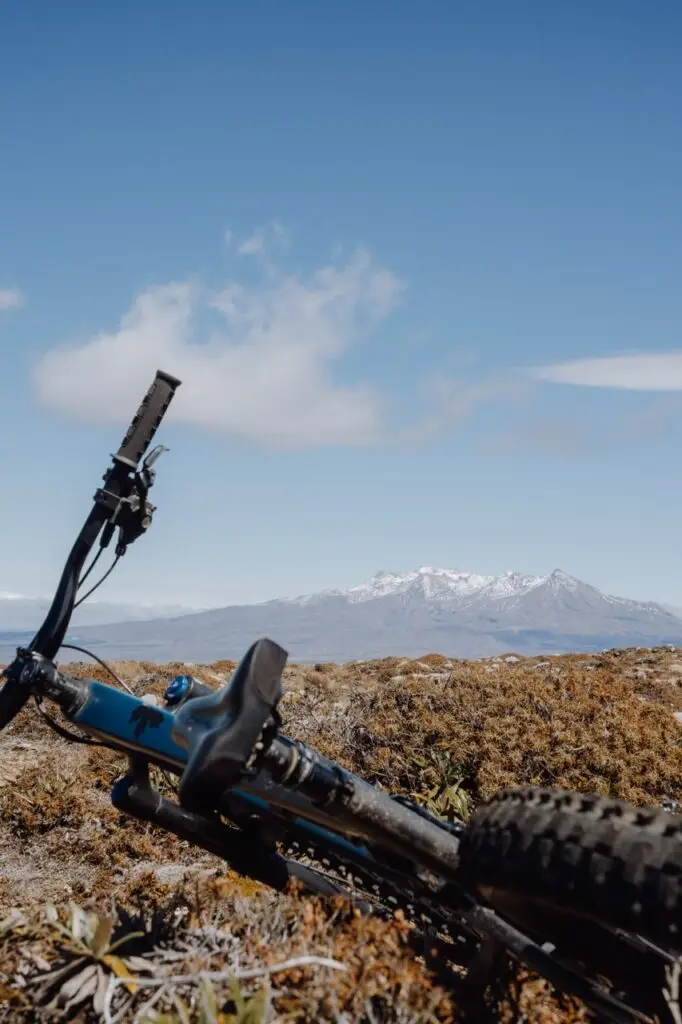
Choosing the right pace for 4 weeks on the North Island
Four weeks allows for thorough travel, but only if you avoid trying to visit every major attraction. The North Island appears compact, but rural driving times are longer than expected. Factoring in errands, weather, trail delays, and scenic stops, overplanning can quickly become exhausting.
A more effective strategy is to divide the month into several riding zones. Rotorua offers world-class trails and variety, Taupo features lakeside and geothermal routes, and the central plateau provides excellent forest tracks near Ohakune and National Park. For variety, consider Wellington’s urban trails or Hawke’s Bay for drier weather and vineyard rides. Plan to stay two to four nights in areas with strong trail networks, using one-night stops only as needed. This approach allows flexibility to repeat trails, rest, or adjust for weather.
Rotorua is a popular base for many riders due to its extensive trail network and consistent quality. It also suits couples with varying abilities, offering plenty of options. However, it should not be your only destination. The North Island offers a rewarding variety, so include time for central plateau trails, local routes, and at least one coastal section focused on scenery.
Living comfortably in a small campervan
A month in a van is not about luxury, but about essential comforts. A good bed, practical storage, heating for cool nights, a fridge suitable for groceries, and sufficient power for devices are more valuable than unnecessary extras.
Walk or crawl through access inside the van is especially beneficial for mountain bikers. In poor weather, the ability to move around indoors becomes increasingly important. Solar panels and dual batteries also provide valuable flexibility between campgrounds and legal freedom camping sites.
Keep cooking expectations realistic. Gourmet meals are unnecessary, but the ability to prepare breakfast before early rides and a hot meal at the end of the day is important. Simple meals are most practical. Restock every few days, keep staples available, and reserve fridge space for convenient ride food.
Daily routines are important. When both travellers know where items are stored, mornings run smoothly. Without organisation, the van feels much smaller. Successful travel in a compact camper relies on consistent routines.
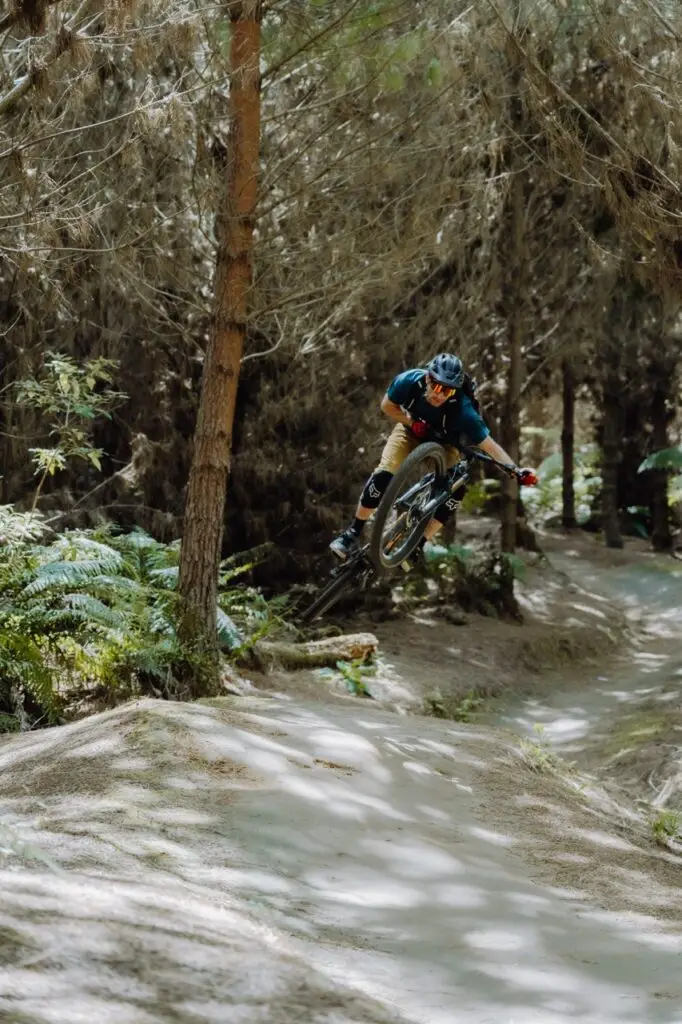
Trail planning without making the trip feel rigid
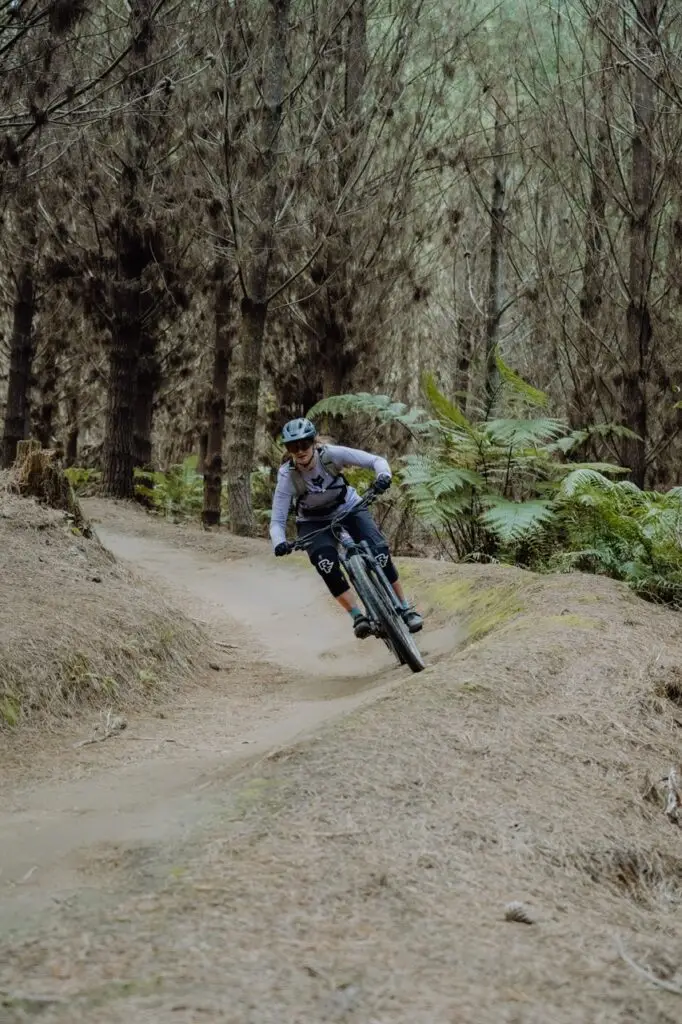
The best mountain bike road trips have structure, not rigid schedules. Select your key riding zones and allow flexibility around them. Weather, energy, and trail conditions can change, so avoid over-scheduling to preserve the freedom that makes campervan travel appealing.
Pair longer ride days with shorter drives or rest periods. A long trail ride followed by several hours of driving may seem manageable initially, but can be exhausting later in the day. Sharing driving duties and being realistic about the cumulative effort over four weeks is important.
If one person prefers more challenging terrain, select a base with diverse trails to ensure both can enjoy the day. The North Island offers several such areas, which are often better for couples than destinations focused on a single expert trail.
Budgeting for the road without getting caught out
A four-week trip can offer good value, but only with comprehensive budgeting. Expenses such as fuel, campsite fees, food, trail shuttles, laundry, coffee stops, bike maintenance, and occasional paid accommodation can accumulate quickly. The van rental fee is just one part of the total cost.
Transparent pricing is important. A straightforward campervan with practical inclusions often provides better value than a seemingly cheaper option with hidden costs. For many travellers, this peace of mind is significant. Companies like BANZ Travelcars are known for clear, reliable options suited to New Zealand road travel, which is essential for a month-long trip.
Flexibility helps reduce costs. Combine campgrounds with legal overnight options, prepare most meals, and minimise unnecessary travel. However, allocate some budget for conveniences that improve the trip, such as a powered site after wet weather, a meal out, or timely bike maintenance.
The trade-offs no one mentions enough
A four-week campervan trip with two mountain bikes on New Zealand’s North Island can be carefree, but there are trade-offs. Compact vans are easier to drive and more economical, but require careful gear management. External bike storage frees up living space but demands greater attention to security. While freedom and spontaneity are advantages, some popular areas still require advance planning, especially during busy periods.
Sharing a small space for a month requires adjustment. If one person prefers an early start and the other enjoys a slower morning, incorporate this into your routine. Small habits become significant in a van. Couples who enjoy these trips most keep things simple, communicate effectively, and remain flexible.
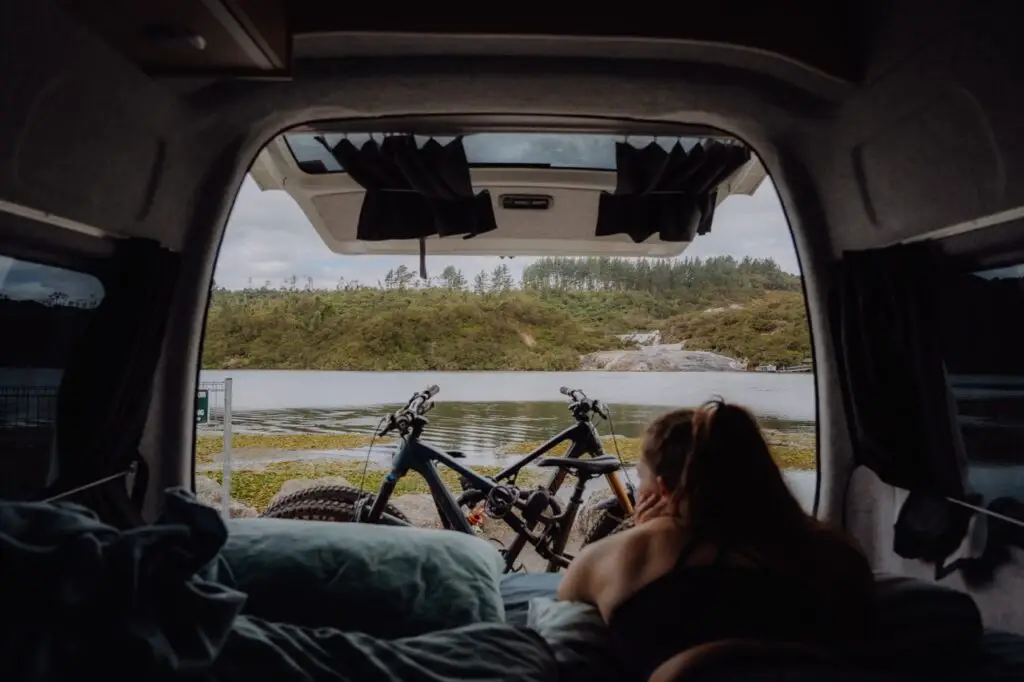
With the right vehicle, thoughtful packing, and a travel pace focused on riding rather than rushing, the North Island offers a rewarding experience. Four weeks is ample time to settle into the journey, establish routines, and enjoy the moments that become true highlights: a quiet breakfast before a ride, muddy bikes at sunset, and the satisfaction of knowing tomorrow’s plan remains flexible.
Photos supplied courtesy of https://www.andrealindaschmid.ch/