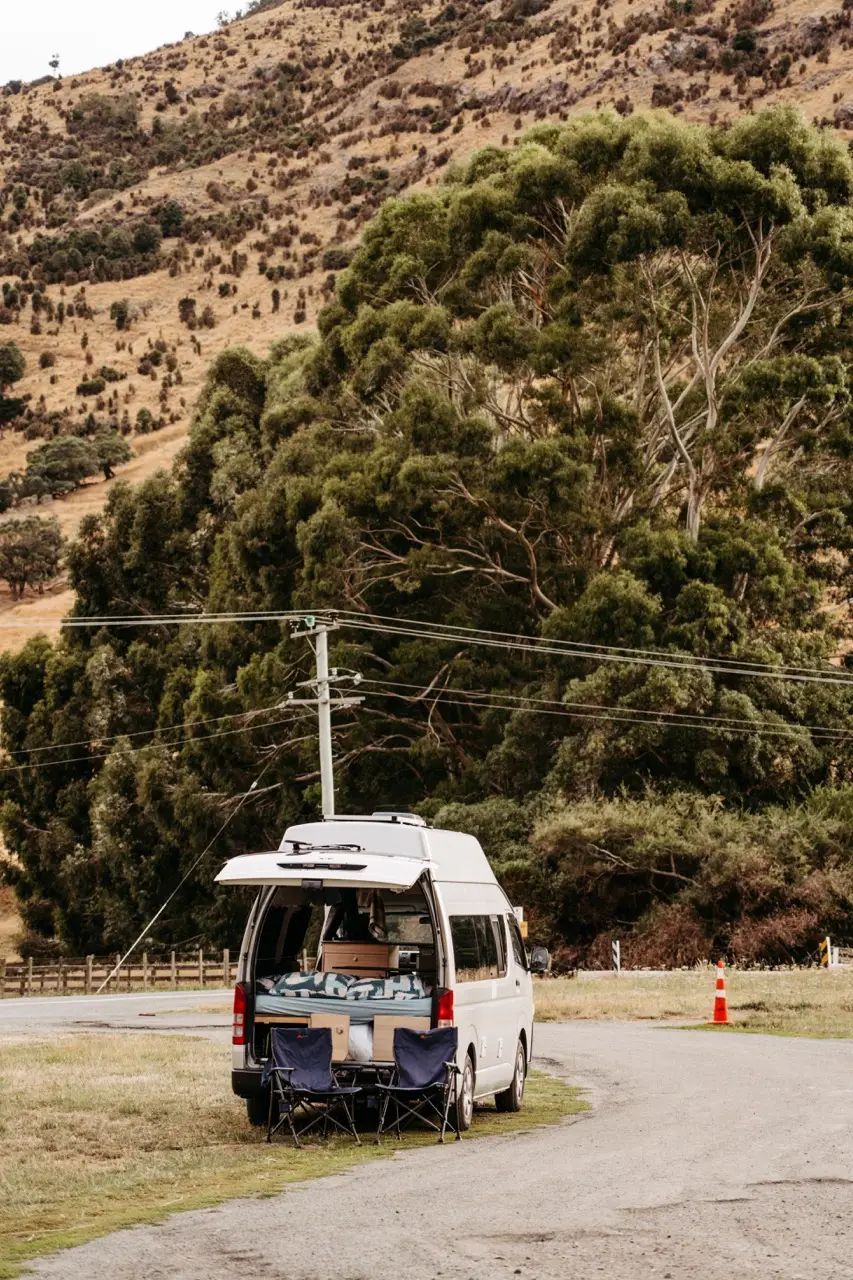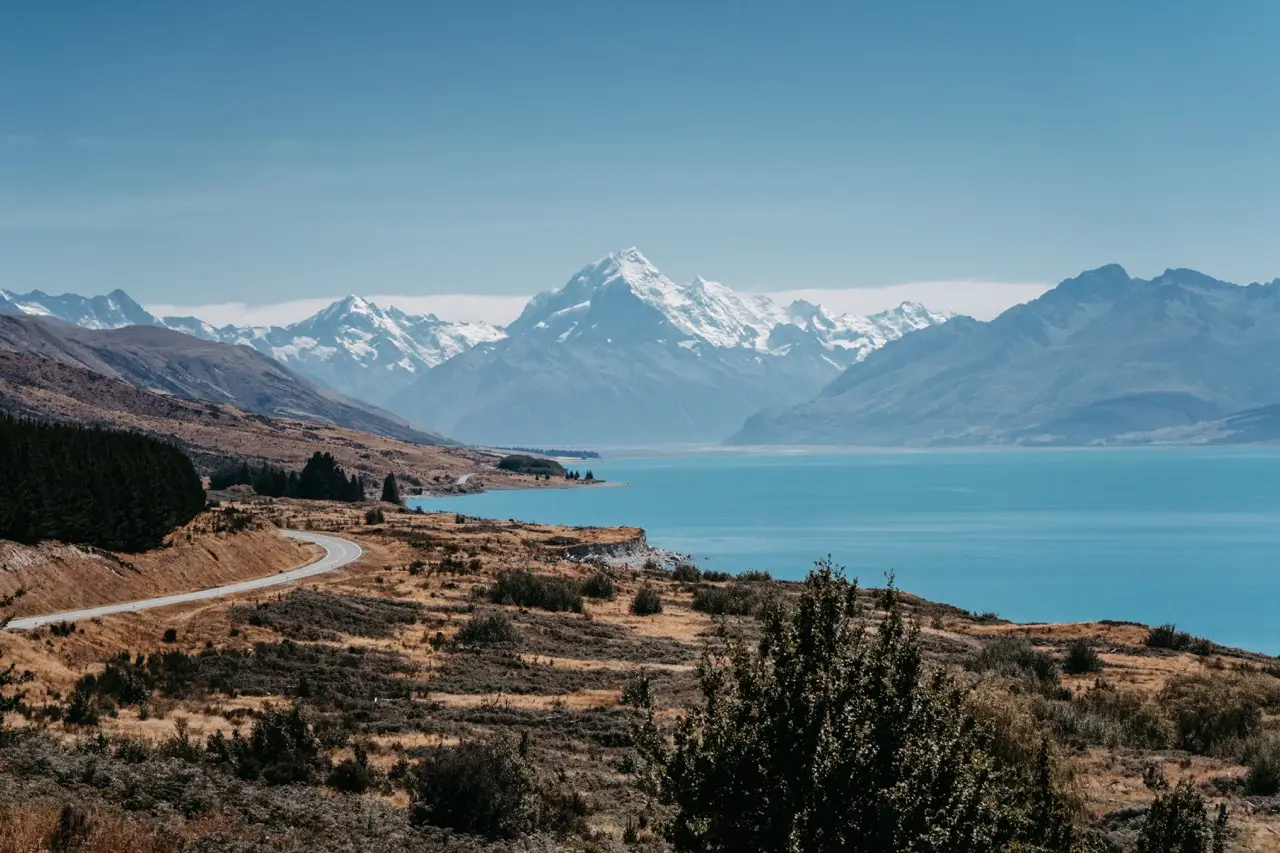
A winter road trip in New Zealand can be amazing one day and challenging the next. You might wake up to a calm, blue morning by a lake, only to find black ice on a shaded road before lunchtime. That’s why it’s important to know how to prepare for winter touring. With a little planning, you’ll have more freedom and make your trip more comfortable, safer, and much more enjoyable.
Winter touring is great for travellers who enjoy quieter roads, clearer mountain views, and better off-season deals. But it does require more from you than a summer trip. Days are shorter, temperatures drop quickly after sunset, and some routes require flexibility. If you’re travelling by campervan, the good news is that winter can be a fantastic time to explore—as long as your vehicle, gear, and plans are ready from the start.
How to prepare for winter touring before you leave
The best winter trips usually start with realistic expectations. New Zealand looks small on a map, but winter driving can take longer than you think. Roads might be wet, icy, foggy, or even closed, especially in the mountains. If you try to fit too much into each day, you might end up tired, arriving after dark, or missing the stops you really wanted to see.
Give yourself more time than you think you’ll need. In winter, this could mean planning shorter drives, adding an extra night in important spots, and keeping one or two days open in your schedule. If the weather changes, having that flexibility will really help.
It’s also important to plan your route carefully. The South Island attracts many winter travellers, but the weather can change quickly in inland and high-country areas. The North Island can also get cold, wet, and frosty in some places, even if it usually feels milder. The best route depends on how confident you feel driving, what scenery you want to see, and how comfortable you are with changing plans as you go.
Pick a campervan that suits winter conditions
Not every vehicle handles winter the same way. A big motorhome might seem nice, but it can be tricky on narrow roads in bad weather or when parking in a small town on a rainy day. For many travellers, a compact, well-equipped campervan is a better choice. It’s easier to drive, simpler to park, and usually more practical for daily travel.
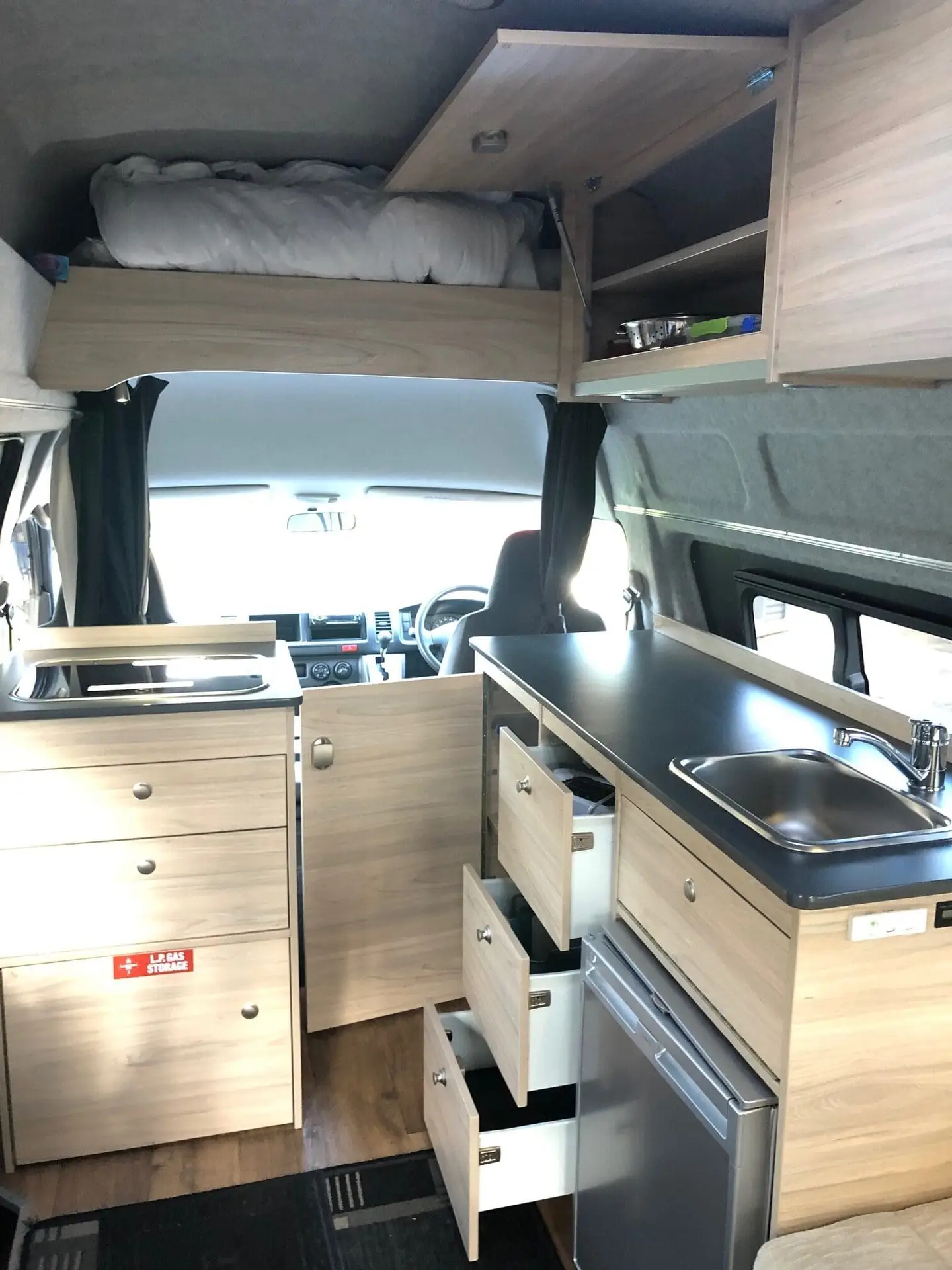
What matters most isn’t the size of your campervan, but the features that keep you warm, safe, and self-sufficient. Good heating makes cold mornings much easier. Look for campervans with reliable heating types, such as diesel or LPG (gas) heaters, which work well off-grid and can warm up a van quickly. Electric heaters are also an option, but they usually require a powered campsite to run for long periods. Make sure your heating system is designed for use inside a campervan and is safe for overnight use. Dual batteries and solar panels help you stay powered without always needing a campground. A real fridge, smart storage, and an interior you can move around in without going outside all make winter travel more comfortable.
An interior walkthrough is really helpful when it’s raining or freezing outside. It might seem like a small thing, but you’ll notice it when you’re changing clothes, making tea, or reaching for something in bad weather. These little practical features are often what you appreciate most in winter.
Pack for warmth, but also for damp
Most people remember the cold but forget about the damp. Winter touring in New Zealand is usually less about heavy snow and more about dealing with wet jackets, muddy shoes, condensation, and changing weather throughout the day.
Pack clothes in layers instead of just bringing one heavy jacket. Thermal tops, fleece or wool layers, a waterproof jacket, warm socks, and good shoes will work better than bulky clothes that are hard to dry. Bring something comfy for evenings in the campervan, and don’t forget a warm hat and gloves for early mornings.
You’ll also be glad to have a few simple extras: a small torch or headlamp for dark mornings, a thermos, quick-dry towels, and something to keep wet gear separate from your dry clothes. If you’re travelling as a couple, staying organised is even more important in a small space. Winter trips are much easier when everything has its place.
Driving in winter is mostly about patience
If you’re wondering how to get ready for winter driving in New Zealand, the main tip is simple: slow down. Winter driving isn’t about fancy techniques. It’s about paying attention to the conditions, leaving more space, braking gently, and not rushing your decisions.
Black ice is one of the biggest dangers, especially in the morning and on shaded roads. Bridges, corners, and places that don’t get much sun can stay slippery even if the rest of the road looks fine. Rain, fog, and low sun can also make it hard to see. In the mountains, snow and ice warnings can completely change your plans.
Whenever you can, try to finish driving before it gets dark. There’s less daylight in winter, and driving at night is more tiring, especially if you don’t know the area. Keep your fuel tank topped up rather than running low, and check conditions before heading into remote areas. Before you set out, look up road alerts and weather updates from reliable sources like the New Zealand Transport Agency (NZTA) and MetService. These sites offer up-to-date warnings about closures, icy patches, or storms, helping you make safer and smarter decisions. It’s much easier to change your plans early than to deal with problems halfway through a long drive.
Plan around daylight and temperature swings
A common winter mistake is planning your days as if sunrise and sunset don’t matter. They really do. You might have fewer hours for sightseeing than you expect, especially if the weather turns bad.
Begin with the places you most want to visit, then plan your day around daylight instead of distance. A three-hour drive in summer can feel much longer in winter if there’s rain, roadworks, or fog. Early afternoon is often the best time for driving and exploring because the roads have warmed up a bit and visibility is usually better than at dawn or dusk.
Evenings get cold quickly, too. If you’re freedom camping or staying somewhere basic, try to arrive while it’s still light so you have time to settle in. Cooking, setting up your bed, and getting warm are all much easier when you’re not doing it in the dark with cold hands.
Stay warm without wasting power
Staying comfortable in winter is about both warmth and routine. Use the warmer part of the day to air out your bedding, charge your devices, and deal with anything damp. Once it gets cold, keep the campervan tidy, so you’re not always opening doors or searching through bags.
Heating makes a big difference, but use it wisely. Keeping a window slightly open while the heat is on can help reduce condensation, which is one of the less fun parts of winter van life. Too much moisture inside can leave your windows wet, bedding damp, and mornings uncomfortable.
Keep your cooking simple and have a few easy meals ready for nights when you don’t want to stand outside or go back out in the cold. Winter trips aren’t the time to make things complicated. Simple routines help your trip feel more relaxed.
Be flexible with alpine routes and weather calls
Some of New Zealand’s best winter scenery is found along roads that require extra care. Mountain passes, ski access roads, and inland highways can be fine one day and risky the next. This doesn’t mean you should avoid them, but you should treat them as weather-dependent, not always a sure thing.
Check weather forecasts and road updates often, and do it just before you leave instead of relying on yesterday’s information. If the conditions look uncertain, waiting a few hours or staying an extra night can be the smarter choice. There’s no reward for sticking to Plan A no matter what.
This is when local advice can be really valuable. A family-run operator with real experience can often give you better tips than a generic checklist, especially if you’re picking up a campervan in Auckland or Christchurch and heading into colder areas. A quick chat before you leave can help you avoid overpacking, misjudging travel times, or choosing the wrong route because of the weather. Helpful local tips are often easy to find at i-SITE visitor centres, campgrounds, or by asking rental desk staff. Taking a few minutes to check in with these local experts can make a big difference to your trip.
Keep safety simple and consistent
Winter safety is rarely about big emergencies. It’s usually about lots of small choices—like leaving later if the road might be icy, stopping for the night instead of pushing on, wearing the right jacket before going out in sleet, or topping up supplies before heading into rural areas.
That’s the mindset to have. Keep your phone charged. Let someone know your plans if you’re heading somewhere remote. Save important emergency numbers on your phone before your trip, including 111 (New Zealand’s emergency services line) and the contact details for local DOC (Department of Conservation) offices. Carrying a basic first aid kit is a smart idea, too—it’s a simple way to be ready for anything unexpected. Keep water, food, and warm clothes easy to reach, not buried under your bags. If the weather gets bad, cut your day short. New Zealand rewards travellers who take it slow and pay attention.
Winter touring has its own rhythm, and that’s part of what makes it special. The roads are often quieter, the scenery is more dramatic, and the experience feels more real. If you prepare well, you don’t lose spontaneity—you gain the confidence to really enjoy your trip.