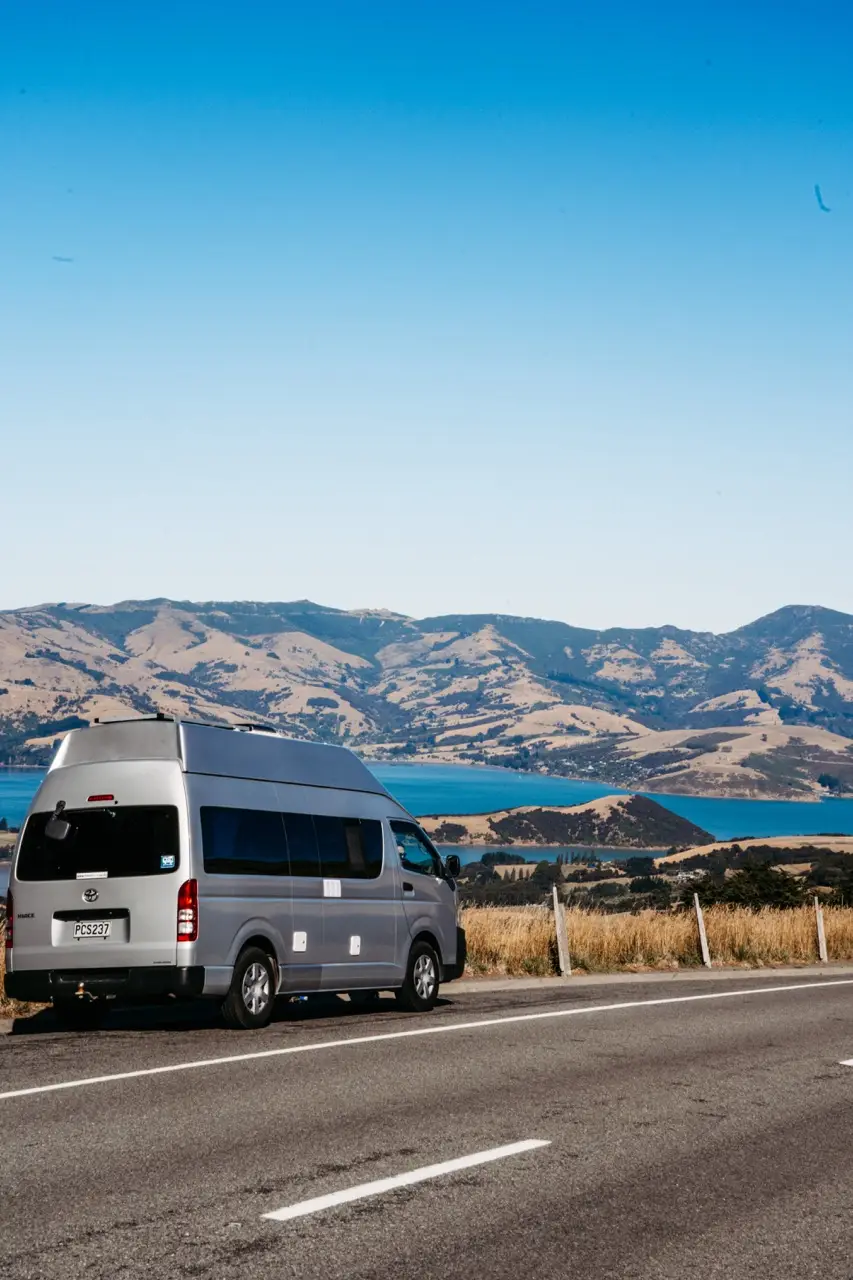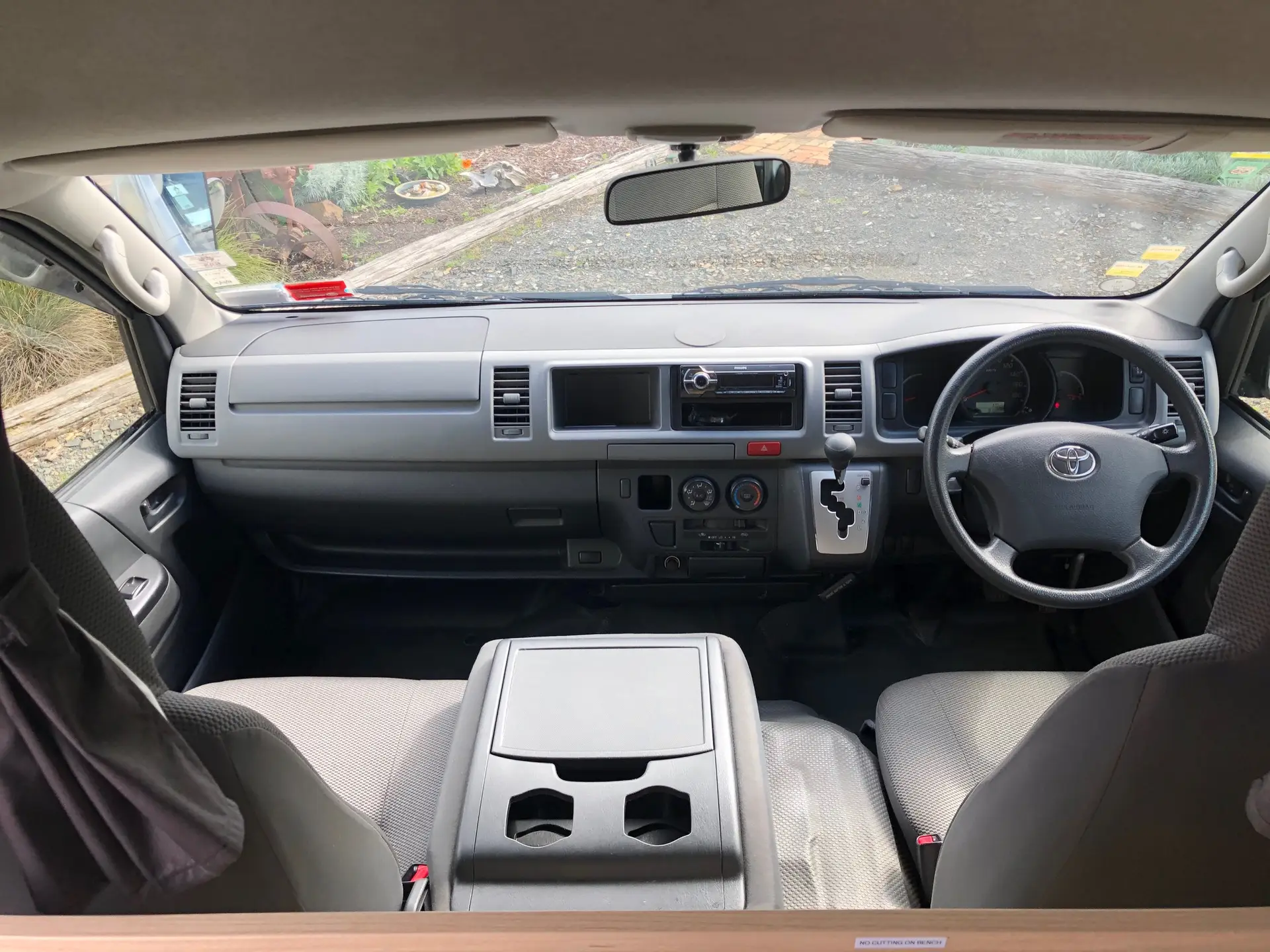
You notice the difference right away on a New Zealand road trip. With one van, you have to think about every hill start, every stop in town, and every winding road. The other lets you relax sooner and enjoy the scenery. When people ask about manual versus automatic campervans, they usually want to know which one will make their trip easier, safer, and more enjoyable in real life—not just in theory.
That’s a good question, because New Zealand roads are both beautiful and challenging. You’ll find long drives, narrow country roads, steep hills, some gravel stretches, and busy city traffic. The best choice depends on how confident you feel, your travel style, and how much focus you want to use while driving.
Manual versus automatic campervan in New Zealand
In most cases, automatic campervans make road trips in New Zealand less stressful and more enjoyable, especially for visitors who are not used to local conditions or left-side driving.
For many travellers, an automatic campervan is the easier choice. It takes some of the pressure off, especially if you’re driving on new roads or getting used to driving on the left. In a campervan, this matters even more than in a small car. You’re driving a bigger vehicle, bringing your home along, and often spending more time on the road than on a typical holiday.
A manual campervan can still work well. Many travellers like having more control, especially on hills or if they drive manual cars every day. If shifting gears feels natural to you, a manual will probably feel comfortable after the first hour or two.
The real difference isn’t just about the mechanics. It’s about how relaxed you feel once you leave the airport, get into traffic, and start your trip.
Why automatic often suits campervan travel better
Automatic vehicles eliminate one of the main distractions while driving. You don’t have to worry about the clutch in traffic, picking the right gear on a hill, or stalling at a busy intersection. That simplicity really helps when you’re already getting used to new road signs, speed limits, and a different driving environment.
This is especially helpful for international visitors. Even experienced drivers can find their first day in New Zealand a bit tiring. If you add rain, hills, a bigger vehicle, and driving on the left, it can get overwhelming fast. An automatic campervan lets you focus more on your position on the road, your mirrors, and keeping a safe distance.
It also makes sharing the driving easier. If one person is comfortable with automatic but not with manual, an automatic means both can take turns. On a long trip, this can make the whole journey more comfortable.
There’s also the simple holiday factor. A campervan trip should feel relaxing, not like you’re always being tested as a driver. For many, automatic just makes the trip start off more smoothly.
Where manual still makes sense
A manual campervan isn’t a bad choice. In some situations, it’s actually the better one.
If you drive a manual car often at home, you might like the direct feel and control. On winding roads or long downhills, some drivers prefer to shift gears themselves rather than let the vehicle decide. This can feel more stable and predictable, especially when the terrain changes.
Manual vehicles can sometimes be cheaper to rent, depending on the company. If saving money is your main goal and you’re already comfortable with a manual, it might be an easy choice.
There’s one important thing to remember. You need to be truly comfortable, not just able to drive a manual in theory. Campervans are heavier than regular cars, and if you haven’t driven a manual in years, this isn’t the best place to relearn.
Hills, towns and long touring days
Driving in New Zealand is always different. One day you’re cruising down an open highway. Next, you’re making your way through a small town, climbing a steep hill, or arriving at a campsite after dark.
This is where choosing between manual and automatic becomes a real, practical decision. Automatics are usually easier in stop-and-go traffic and on roads with lots of speed changes. They’re also less tiring on long days because both your left leg and your mind get more of a break.
Manuals can work well too, but they require more from the driver. On a short drive, that might not be a problem. Over a two- or three-week trip, though, it often matters. Fatigue isn’t just about distance—it’s about how much focus each kilometre takes.
If your itinerary includes plenty of urban driving around pick-up and drop-off, or if you are planning to cover a lot of ground between regions, an automatic often feels like the more forgiving option.
Cost versus comfort
Price is important for most travellers, and that’s understandable. Campervan trips are about freedom, but you still need to stick to a budget.
If a manual is cheaper, the savings might look good at first. But the real question is whether the lower daily rate actually gives you better value. If driving manual adds stress, makes it harder to share the driving, or causes you to avoid certain routes, the cheaper option might not feel like a bargain by the end of your trip.
Comfort matters too. So does feeling confident. And arriving at your destination less tired is important as well.
On the other hand, if you’re very confident driving manual and enjoy it, you might not need to pay extra for an automatic. In that case, the cheaper option could make more sense.
The trade-off is simple: save money upfront, or make driving easier. There’s no single right answer.
Driving confidence matters more than preference
Many people see this as a matter of preference. In reality, it’s more often about confidence.
If you’re unsure about hill starts, have trouble with the clutch under pressure, or haven’t driven manual on the left before, automatic is usually the safer choice. There’s no reward for making your holiday harder than it needs to be.
If you’re totally comfortable with manual and know you’ll stay calm in traffic, on hills, and in wet weather, then manual is still a good option. Calm, capable drivers usually adapt well no matter which transmission they pick.
The key is to be honest with yourself before you book. Many travellers think they’ll feel as comfortable as they do in their own car at home, but driving a campervan is a different experience.
Which suits couples and solo travellers?
For couples, automatic often comes out on top because it makes the trip more flexible. If both people can drive, you can switch when someone gets tired or if the weather changes. That can really help over a few weeks on the road.
For solo travellers, the answer depends more on your own driving habits. If you’re confident and have lots of manual experience, you’ll probably be happy with a manual. If you want the easiest setup, you’ll likely prefer the automatic option.
Smaller campervans, especially practical two-berth models, are already easier to handle than big motorhomes. Add an automatic transmission, and you have a setup that’s usually more beginner-friendly for solo or independent travel. That’s why companies like BANZ Travelcars focus on simple, easy-to-drive vehicles that are still well equipped for real adventures.
So, which should you choose?
If you want the simplest and least stressful option, go with the automatic option. It’s usually best for travellers new to New Zealand roads, anyone getting used to left-side driving, couples who want to share the driving, and people who value comfort over saving a little extra money.
Choose manual if you’re already confident with it, comfortable driving a bigger vehicle, and saving money is more important than making driving easier. Manual can work really well if you’re experienced.
The best campervan is not the one that sounds best on paper. It is the one that lets you relax into the trip, handle the road with confidence and spend more time thinking about where to stop next than what gear you should be in.
If you’re still unsure, choose the option that makes driving feel easier. New Zealand already gives you plenty to think about: mountain passes, changing weather, hidden beaches, and whether to stop for one more photo. Your campervan should help make that freedom simple. And remember, trust your instincts, and if you have questions, ask your rental company for advice—most are happy to share tips based on your route and experience. No matter what you choose, you’ll be set for an unforgettable road trip.