Many travellers are surprised to find that bigger is not always better when hiring a campervan in New Zealand. While a large motorhome might look great in photos, it can be tricky to handle in small coastal towns, near trailheads, or when parking at holiday parks. In these situations, the size of your vehicle really matters.
For many people, especially couples and solo travellers, the best trips start with choosing a van that feels easy right from the beginning. It should be comfortable to live in, simple to drive, fuel-efficient, and suitable for New Zealand roads. The right campervan should make your travels more flexible, not more stressful.
Why campervan hire in New Zealand suits independent travel
New Zealand is perfect for road trips. The distances are manageable, the scenery changes often, and many of the best spots are found between the main destinations. With your own vehicle, you can stay longer where you like, leave early if the weather changes, and take scenic routes without worrying about strict check-in times.
This freedom is especially important if you enjoy travelling at your own pace. You could spend a night by the beach, then drive inland for mountain views, and maybe stop at a small town you hadn’t planned to visit. With a campervan, the journey itself becomes part of the holiday, not just the time between destinations.
Having a campervan also helps you manage your budget. You can cook some meals in the van, bring your own gear, and avoid constantly switching hotels, which makes longer trips easier. Still, value isn’t just about the daily rental price. The real costs include fuel, insurance, campsite fees, and the question of whether the van actually fits your travel style.
Choosing the right campervan hire in New Zealand
One of the biggest mistakes is choosing a van just because it’s cheap. A low daily rate might seem appealing until you find out the van is older, doesn’t have heating, has little storage, or is hard to drive. On the other hand, paying extra for a large vehicle you don’t need can eat up your budget without providing any additional comfort.
For most couples or two-person trips, a compact or mid-sized campervan is usually the best choice. It offers enough space to sleep, cook, and store your things, but is still easy to park in cities, fill up at petrol stations, and drive on narrow roads. In New Zealand, where you might travel through cities, mountains, and countryside in one week, this balance is very valuable.
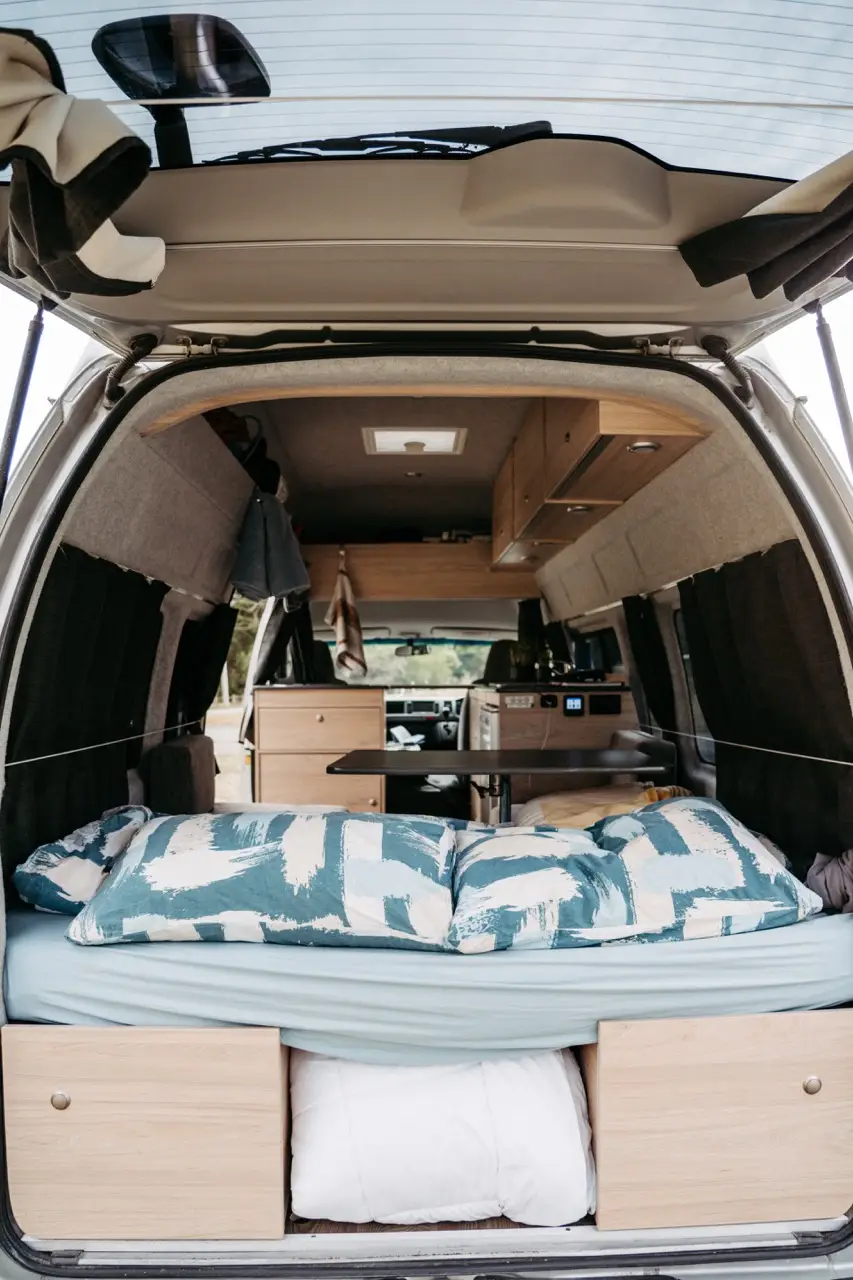
Toyota Hiace-style campervans are popular for a reason. They’re familiar, practical, and work well on New Zealand roads. A well-converted van can give you a real bed, seating, a fridge, sink, storage, and good power systems, all without feeling too big or hard to handle.
What actually matters inside the van
Photos can sometimes be misleading. A campervan might look neat online, but what really counts is how well it works after a few days on the road. The layout is more important than fancy finishes.
Having an interior you can walk through is a big plus, especially when the weather is bad. Being able to move from the driver’s seat to the living area without going outside is convenient and feels safer. A comfortable bed is important too, since good sleep makes road trips much better. If the bed is hard to set up or too small for two adults, it can quickly become frustrating.
It’s also important to check the van’s power systems. Features like solar panels, dual batteries, and good charging options make it easier to travel off-grid and mean you don’t have to stay at powered sites every night. A real fridge, good lighting, and easy charging for your devices aren’t just nice extras—they’re part of everyday comfort on a longer trip.
Heating is important too. Even when it’s not winter, nights can get cold in many parts of New Zealand. If you’re travelling through mountain areas or during the off-season, having a heated van can turn a cold night into a comfortable one.
Cleanliness and maintenance might not be the most exciting topics, but they’re just as important. A well-maintained van feels better to travel in and usually means the rental company takes care of the details you can’t see, too.
Freedom camping, with realistic expectations
Many travellers choose to hire a campervan in New Zealand to try freedom camping. It can be a great part of the trip, but it’s important to know what it actually involves.
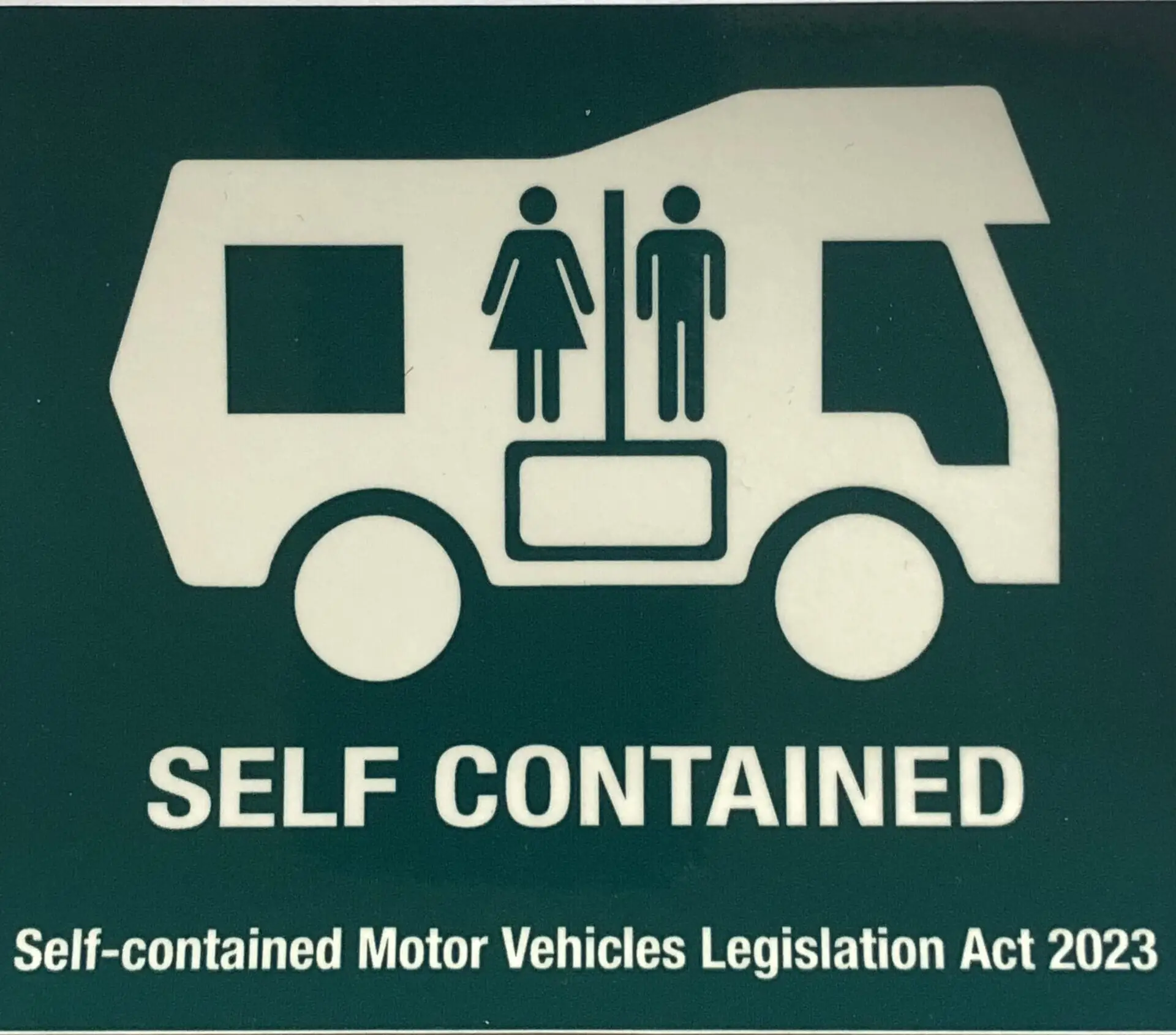
Not all vehicles are suitable for freedom camping, and not every place allows it. Local rules can be different, and some areas are stricter than others. Most freedom camping sites require your van to be certified as self-contained, which means it must have a toilet, fresh and wastewater storage, and a certificate displayed. Always check current rules for each region you visit—council websites or the free CamperMate app are good resources for local regulations. Having a campervan with the right features gives you more options, but you still need to plan responsibly to avoid fines and protect the areas you visit.
It’s best to see freedom camping as just one part of your trip, not the whole plan. Some nights are perfect for scenic spots, while after a long drive or before an early start, a holiday park or campground might be easier. The best trips usually include a mix of both.
The value of personal service
Many people underestimate this part of the booking process. When you arrive in a new country, maybe after a long flight, it makes a big difference whether you pick up your keys from a large rental desk or from someone who really knows the vehicles and the local roads.
Clear pickup instructions, a good handover, practical driving tips, and support during your trip all make a difference. If something goes wrong or you need help understanding how something works, quick, helpful support can save you a lot of stress.
This is why many travellers choose a specialist company instead of a big rental chain. A family-run business like BANZ Travelcars usually cares more about your overall travel experience, not just about renting out vehicles. You can often notice the difference in how well the vans are prepared and how clearly things are explained.
Budget, but look past the headline price
Travelling by campervan can be affordable, but the lowest price isn’t always the best deal. It’s important to check what’s included and what extra costs might come up later.
Clear pricing is important. Check if things like bedding, kitchen equipment, airport or station pickup, heating, insurance, and extra driver fees are clearly listed or hidden in the fine print. With insurance, most companies will offer a basic policy that covers major accidents, but this can come with a high excess (the amount you pay if there’s damage). Many travellers reduce their risk by paying extra for excess reduction or full cover, which lowers the potential costs if something goes wrong. Understanding your insurance options upfront helps you avoid surprises and choose the level of coverage that suits your comfort. Hidden costs can make a big difference.
Don’t forget about fuel economy. A smaller, well-designed campervan can save you a lot of money compared to a heavier motorhome, especially on longer trips. If you plan to visit both islands or spend weeks on the road, those savings really add up.
Who should choose a small-format campervan
If you’re travelling as a couple or solo and want lots of flexibility, a smaller campervan is usually the best choice. It’s great for people who want to move often, park easily, and keep costs down while still having all the essentials.
A smaller van might not be right if you need lots of standing room, are travelling with kids, or want an apartment-like setup for long stays. That’s the trade-off. Smaller vans are easier to drive and more efficient, while bigger motorhomes give you more space. The best choice depends on how you want to spend your trip, not just how the van looks in photos.
A better way to plan your trip
Before booking, consider your route, the time of year, and your travel style. Are you looking for remote scenery, daily movement, or a mix of cities and nature? Do you want easy driving, the ability to go off-grid, or extra indoor space for rainy days?
If you’re looking for inspiration, a few popular New Zealand routes include the South Island’s Queenstown to Milford Sound drive, which takes you through dramatic mountains, mirror lakes, and iconic Fiordland scenery. In the North Island, the journey from Auckland to Rotorua takes you through volcanic landscapes, geothermal wonders, and classic lake views. Many travellers also enjoy the loop around the Coromandel Peninsula or driving the stunning coastal roads near Kaikoura. Picking a classic route or adding a few must-see stops can help you start shaping your adventure.
Once you know what you want, choosing the right vehicle is much easier. New Zealand is great for travellers who stay flexible, and a practical, well-prepared campervan helps you enjoy that freedom without extra hassle.
A great road trip isn’t about having the biggest van in the car park. It’s about feeling confident when you pick up the keys, staying comfortable when the weather changes, and having the freedom to explore when you find somewhere special.