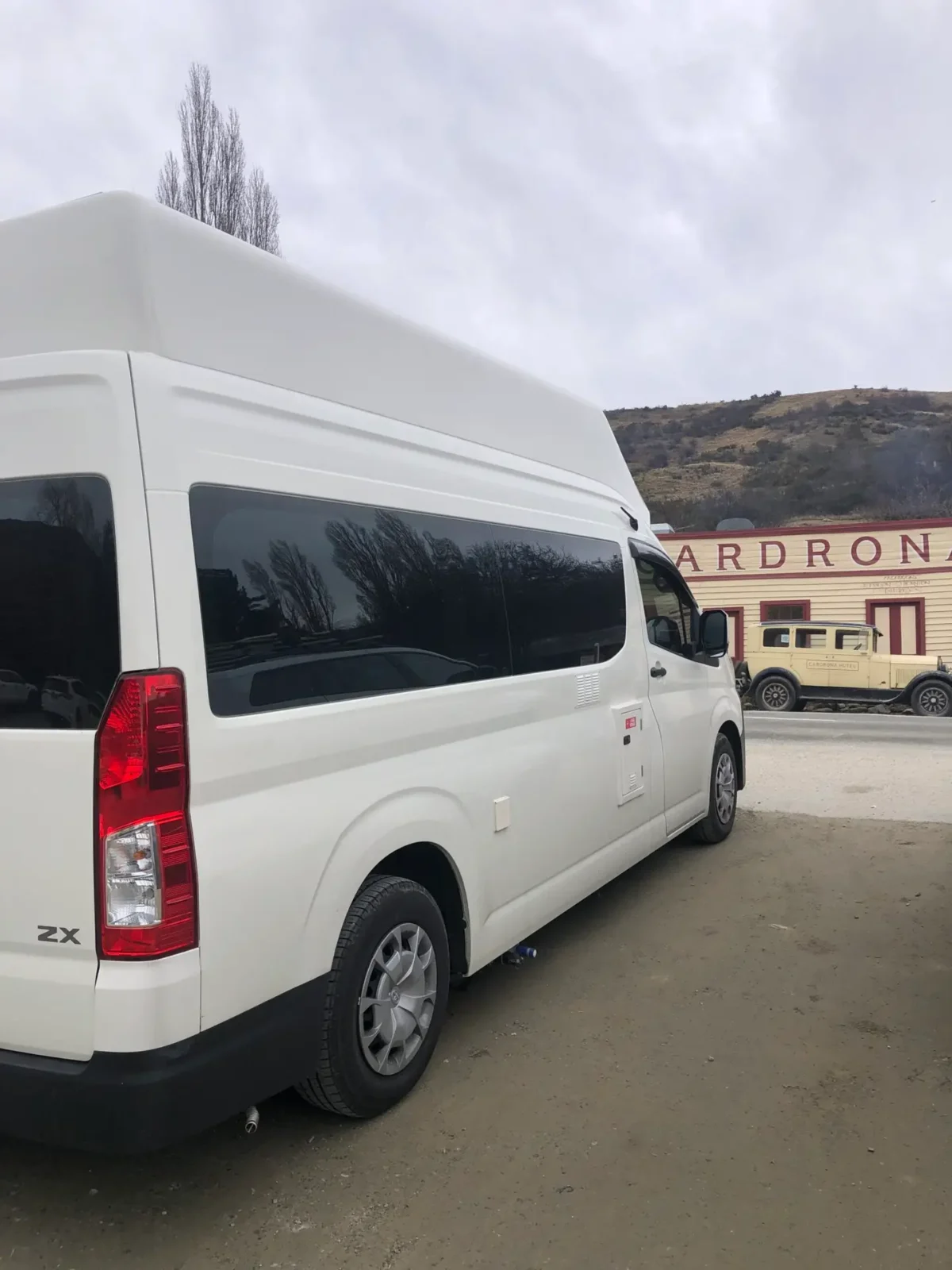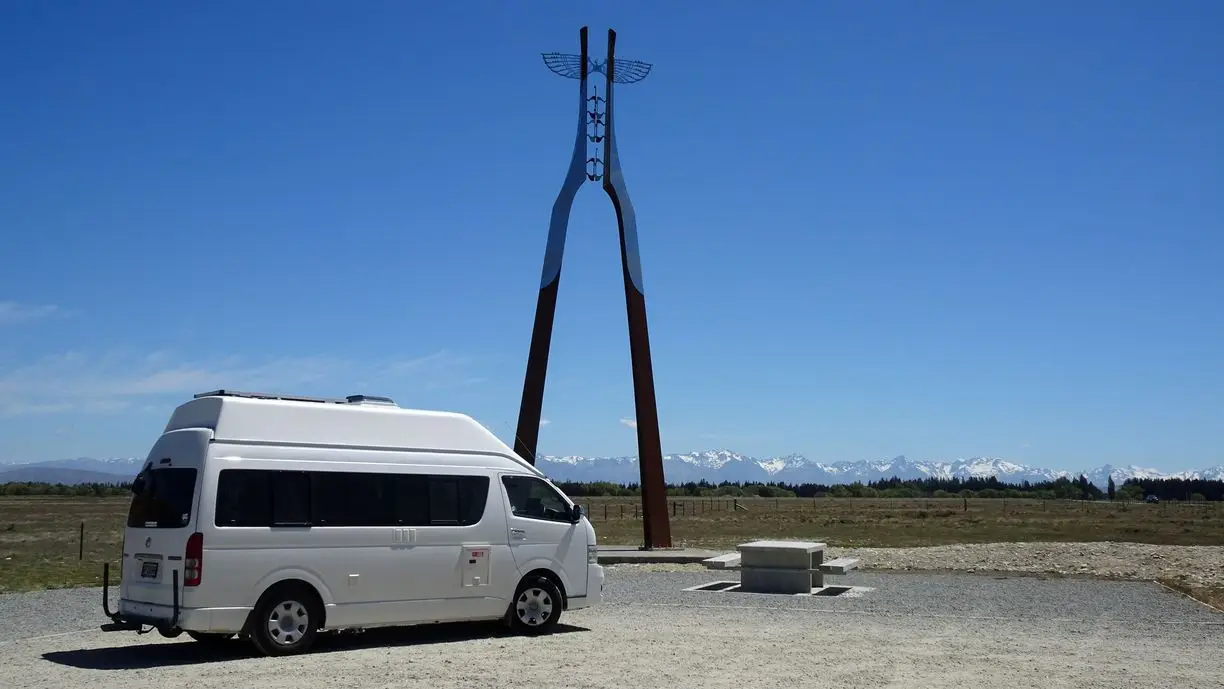
A good New Zealand road trip isn’t really about getting from point A to point B as quickly as possible. The very best scenic campervan trips are the ones where you’ve got time to just stop off at a roadside viewing spot or do a short bush walk. You might end up swimming before dinner, or just spend an unplanned night in some quiet little town. With a small campervan you’re actually on the journey, the journey is the holiday.
New Zealand is absolutely the country for this sort of travel but its roads are very much a case of planning it realistically. Distances can appear quite short on the map and yet the journey will take far longer. The hills are winding, there are single lane bridges and there are coastlines that are absolutely photogenic. Pick fewer places and allow yourself plenty of driving time and you’ll see a great deal more.
Planning scenic campervan drives that feel unhurried
For the vast majority of people, two to four hours of driving per day is a perfectly reasonable target. That may seem like a small amount of time but it allows for safe stops, meals and time to get settled at your campsite. It also gives you the time to actually enjoy the reason you’ve got a campervan in the first place. A transfer day between regions may well require a longer drive, but don’t build every day around that.
A smaller campervan is ideal for the scenic routes of NZ. It’s far easier to park at lookouts and in town than a large motorhome and it’s far easier to drive on the narrow, winding roads. That said, steep and remote roads are by no means easy. You do need to slow right down before any corner and use low gears on long descents. Allow local traffic to pass at the safe pull-over bays. Driving on the left will take a day or two to get used to and you do need to be very careful at roundabouts and one-lane bridges.
Weather should be the driver of your route, not the thing that spoils it. The West Coast is wet all year round. Alpine conditions can change at a moment’s notice and winter weather can affect the higher roads. Check the local road and weather conditions every morning. Keep your fuel tank full in the rural areas. Have a flexible alternative if cloud, wind or rain make a longer drive less than desirable.
North Island scenic campervan drives
Auckland to the Coromandel Peninsula
The Coromandel is a pretty good introduction to campervan travel if you’re just picking up your campervan in Auckland. You could easily spend several nights on the peninsula rather than making it a quick beach stop. The route east takes you from the city motorway through rolling farmland and native forest. Beyond that it’s a coastline full of bays, which is perfect if you’re after a more leisurely pace.
Base yourself in Whitianga, Hahei or Tairua (depending on the season and campsite availability). Cathedral Cove is a classic walk and Hot Water Beach is a great addition if you can time it to coincide with low tide. The coastal roads are quite narrow in places so drive with care. Don’t feel you have to do it all in one day. It’s the sort of route that’s ideal for a couple who just want some beaches, some easy walks and some relaxed evenings. There’s no need to be off the grid at all.
Rotorua to Taupō via geothermal country
This isn’t the longest drive in NZ but it’s very much more than a drive of manageable length. Rotorua has geothermal country, redwoods and a lakeside. It’s a great stop before you carry on south to Taupō. There’s geothermal areas, some short walks and plenty of views across the central plateau.
Taupō is well worth more than just an overnight stop. You can walk around the lake or go to Huka Falls. When the conditions are right you can use the town as a base for a day trip into Tongariro National Park. In the colder months it can be quite crisp and clear. Pack warm layers and always check the road conditions before you go through the higher areas. A heated campervan is a godsend in those cool central North Island evenings.
The Forgotten World Highway
Want some quiet roads and a bit of country character? Try the Forgotten World Highway from Stratford to Taumarunui. It’s a very rewarding detour, taking you through farmland, bushed hills and a number of small settlements. There are sections of it that really do seem to be off the tourist track.
Take this drive slowly and in daylight. The road surfaces are all over the place, services are sparse and mobile coverage is very patchy. Fill up before you go. Take food and water with you and check for any current access restrictions. This is really more suited to the confident, unhurried traveller than anyone on a tight itinerary.
South Island scenic campervan drives
Christchurch to Aoraki Mount Cook and Wānaka
On the way from Christchurch up to Aoraki / Mount Cook the landscape changes almost overnight. The Canterbury Plains are gone and you’re into turquoise lakes, mountain ranges and vast expanses of sky. Lake Tekapo is a very popular first stop. From there you just continue at a relaxed pace through the Mackenzie Country. Don’t rush to get to the various viewpoints.
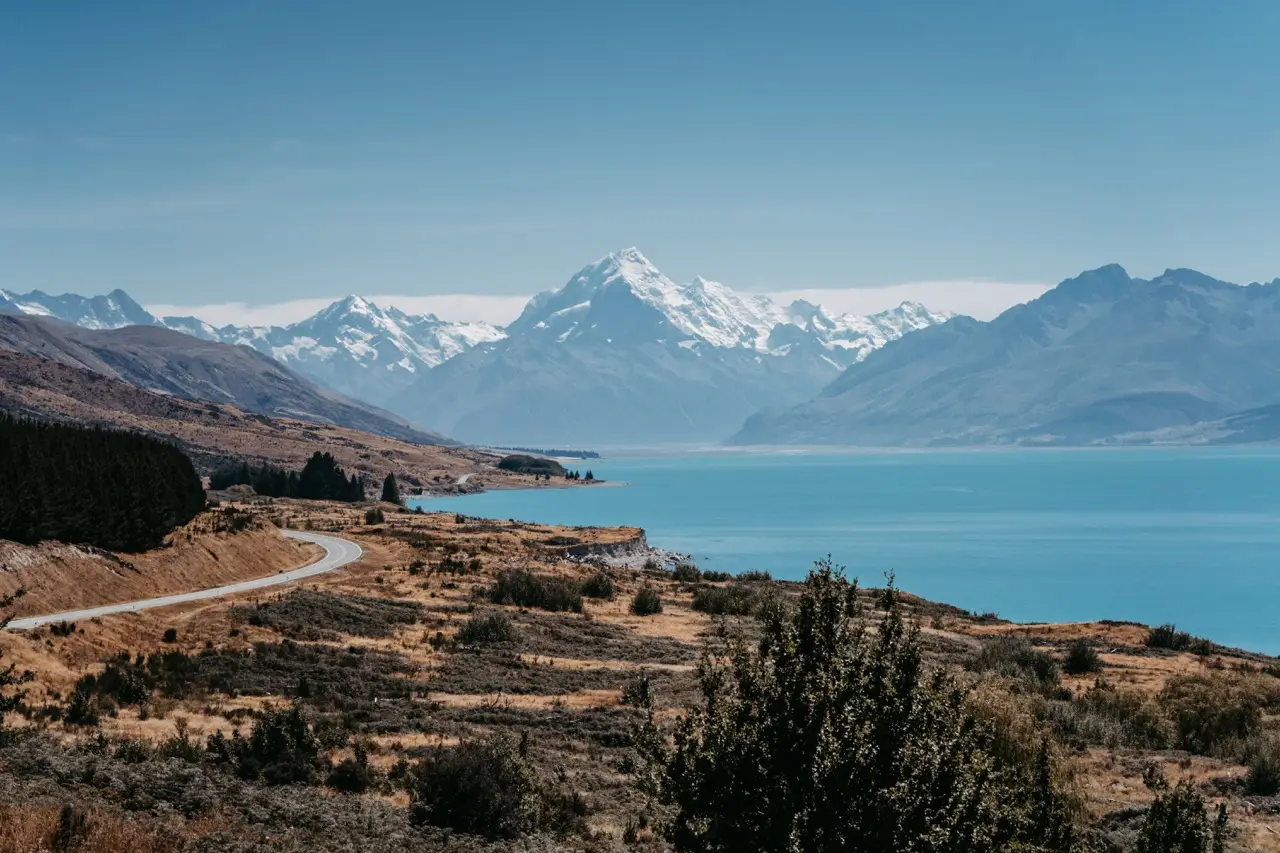
The road into Aoraki Mount Cook Village runs down Lake Pukaki whose water is often quite striking in its milky blue hue even on a dull day. Take the time to walk around once you get there. Be prepared for the alpine weather which can be fickle. From there you can continue via Lindis Pass to Wānaka if the conditions permit. It’s a great route. In winter you need to be particularly mindful of ice, snow and road closures.
The West Coast from Hokitika to Haast
The West Coast is quite different from the rest of the South Island – wetter, greener and far more dramatic. You go from Hokitika south through the rainforest and past the lakes. In some places the Tasman Sea is just over the hill. Franz Josef and Fox Glacier are the obvious stops. The real fun is in the places in between.
The drive south of the glaciers towards Haast is absolutely gorgeous. The forest is right up against the road and there are plenty of opportunities for short walks. Rain is part of the experience. Keep your waterproofs close to the door of the campervan rather than at the bottom of a bag. If it turns wet and miserable then just take shorter walks and have a warm meal. It’s all about enjoying the ever changing moods of the coast rather than trying to get the perfect photo.
Queenstown to Glenorchy
Queenstown to Glenorchy is about 45 minutes each way (no stops). Perfect for a slower day. The road runs down the length of Lake Wakatipu through the steep mountains. Almost every bend has another reason to pull over. If you can, start early (especially in summer) as the car parks and the popular walks get very busy.
Glenorchy is small and quite relaxed, with access to a number of walks and some of the most memorable mountain scenery in the region. You can of course head back to Queenstown for the night or carry on with your wider Central Otago route depending on where you’re planning to be. The point is don’t treat it as a drive to just race through. It’s short enough to properly enjoy.
Make overnight stops part of the journey
Where you sleep has a bearing on how each drive feels. A holiday park will have showers, laundry, powered sites and an easy way to recharge after a couple of days on the road. They’re often the sensible option if you need to restock, dry your gear and have access to mains power. Self contained freedom camping can be a more remote overnight option but only in the appropriate locations and only where your vehicle and the local rules permit it.
Never assume that a beautiful roadside area is in fact legal for an overnight stay. The rules are set by the council and/or land manager and can vary from place to place and from season to season. Use the approved sites, get there early if there are any restrictions on the number of vehicles, and leave no trace. Take your rubbish with you, use the facilities properly and keep the noise down after dark. These are the little things that go a long way to protecting the access that is such a key part of the campervan experience in NZ.
A few little routines go a long way to making life on the road easier: buy your groceries prior to entering remote areas, refill your water as often as you can and check your battery level before you go and settle in somewhere with no power. Solar and dual battery systems are of course a help but their performance is entirely dependent on the amount of sun you get, your power consumption and how long you’re going to be sitting there. A bit of planning means you can enjoy the view without having to worry about the next recharge.
Choose the route that suits your travel style
There is no such thing as the one best New Zealand itinerary. A two week trip could be far better spent properly exploring one island rather than trying to do both. A longer holiday can of course easily incorporate both islands with plenty of time to account for the weather and to take rest days. Beach goers will probably be happiest in Northland, the Coromandel and Abel Tasman. Mountain folk will likely want to build their route around the Mackenzie Country, Wānaka and Fiordland. Those after quieter roads may prefer Taranaki, the East Cape or Southland.
The most memorable scenic campervan drives are invariably the ones you didn’t plan down to the minute. Leave some space between your bookings, get the local advice on conditions and the best bits, find a campervan that’s comfortable enough that an ordinary roadside evening doesn’t just pass you by but becomes part of the experience. With a bit of practical planning and a flexible approach, the roads of NZ can easily turn a fairly straightforward drive into the one you’ll remember.