Landing in Auckland after a long flight, the last thing most travellers want is a complicated handover, a vehicle that feels too big to handle, or surprise costs that appear once the trip has started. That is why Auckland New Zealand campervan rentals are not all the same. The right one can make your road trip feel easy from day one. The wrong one can turn simple travel days into constant planning around size, power, parking and budget.
For many people, Auckland is the natural place to begin. It gives you quick access to the upper North Island, but it is also a practical arrival point if you are heading further south over time. Starting well matters. A campervan should suit New Zealand roads, your travel style, and the kind of stops you actually want to make – not just look good in photos.
What matters most with Auckland New Zealand campervan rentals
A common mistake is thinking that bigger is always better. That’s usually not the case. Road trips in New Zealand are about moving around, stopping at beaches and lookouts, exploring small towns, and feeling comfortable on winding roads—not staying in one place for a week.
This is why a compact, well-designed campervan often works better than a large motorhome. Smaller vans are easier to park, simpler to drive, and more flexible if you want to stay on the move. If you’re traveling as a couple or alone, you probably don’t need the extra size, higher fuel costs, or the stress of handling a vehicle that’s too big for local roads.
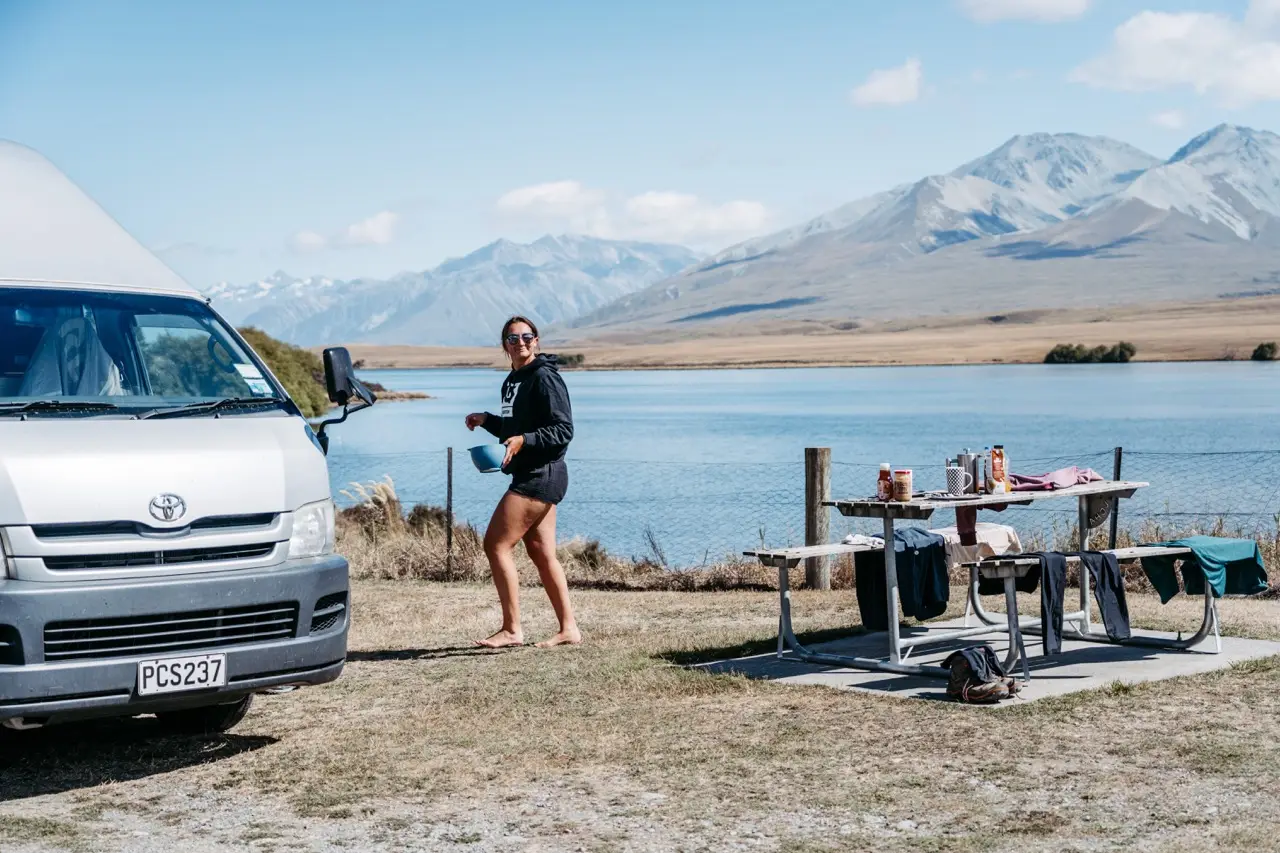
Value isn’t just about the daily price. A cheap rental can end up costing more if it doesn’t have the right features. Things like heating, enough fridge space, a good dual battery system, solar panels, a comfortable bed, and smart storage all make a difference. Imagine you park up for a couple of days beside Lake Pukaki—if your van has a strong dual-battery and solar setup, you can run your fridge and lights, and charge your phone without plugging in or worrying about flat batteries. You skip paying campground hookup fees, eat from your own fridge, and enjoy your own schedule. These are the features that affect how often you need to plug in, buy ice, eat out, or pay for campsites with extra facilities. A good campervan helps you save money by letting you travel more independently.
Why vehicle size changes the whole trip
Many travellers think they need as much space as possible. But once they start driving in New Zealand, they realise it’s more important to feel confident behind the wheel than to have extra floor space. Narrow roads, gravel detours, supermarket parking lots, and scenic side roads are all easier to handle in a smaller van.
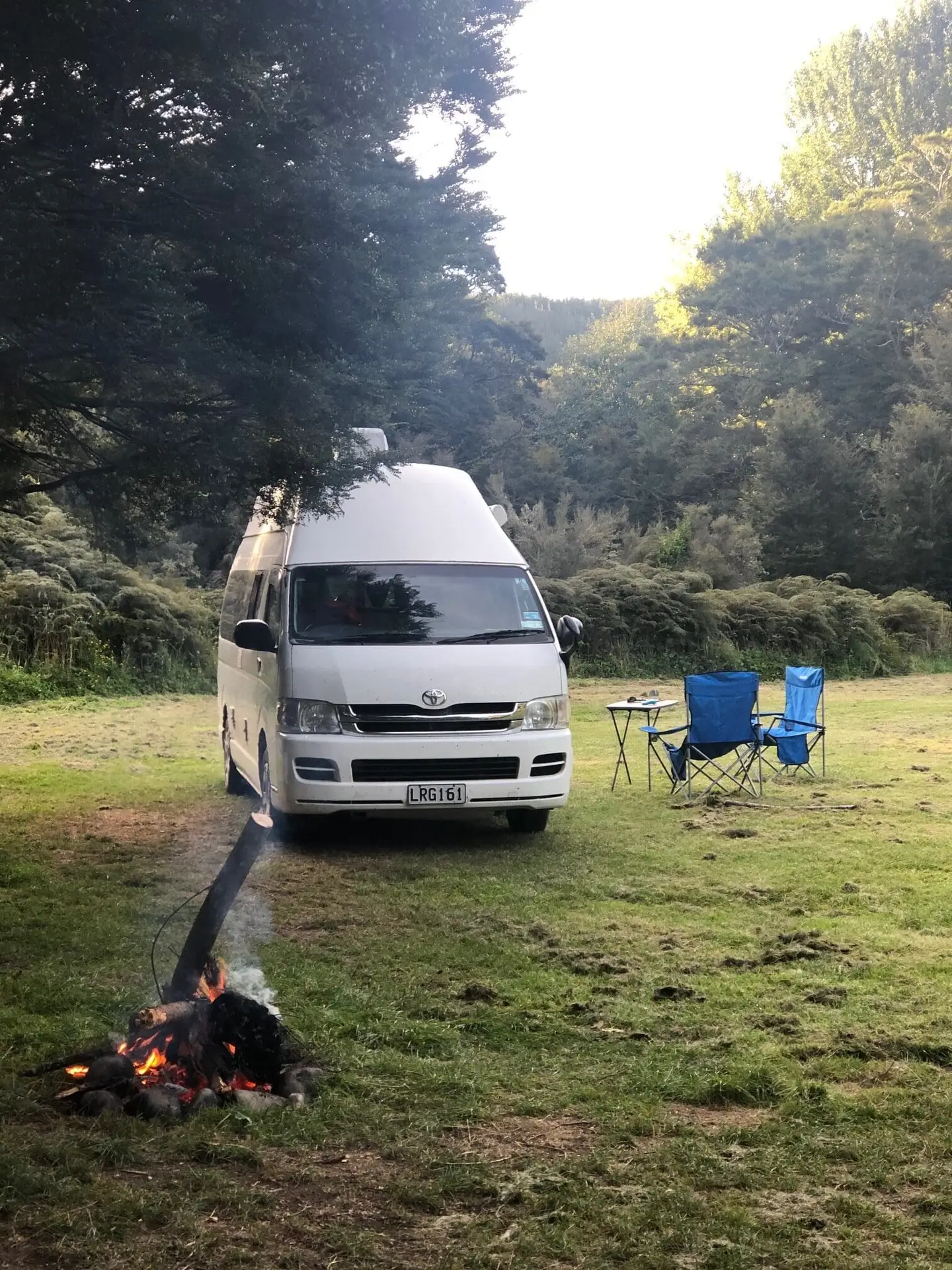
A two-person campervan is often just right. You get enough space and equipment to be comfortable, but you don’t lose the ability to drive and park easily. Walkthrough interiors are especially handy because they make daily life simpler. When the weather is bad, being able to move between the cab and living area without going outside makes a big difference, especially on longer trips.
Of course, there are trade-offs. If you have a lot of gear, are traveling with a child, or plan to stay in one place for a long time, you might want more space inside. The important thing is to be honest about your travel style. For most independent travelers, it’s better to have a van that’s easy to use every day than one that’s only spacious when parked.
The features worth paying attention to
Spec sheets don’t always show what life on the road is really like. Some features might sound technical, but they make a big difference once you’re actually traveling.
A dual battery system is a good example. It lets you run essentials without draining the main battery, so you have more freedom when you’re not plugged in. Solar panels are also valuable, especially if you want to stay off-grid for more than a night. If you plan to do freedom camping, these features are more important than cosmetic extras.
Heating is another feature people often overlook until they face a cold evening.
New Zealand can get chilly even outside of winter, especially in the central plateau, the South Island, or along the coast after sunset.
A van with good heating is much more comfortable, and comfort really affects how much you enjoy your trip.
Fridge size, bed setup, and storage matter just as much. If the fridge is too small, you’ll be shopping all the time. If the bed is hard to set up every night, you’ll notice right away. If there’s nowhere to put your bags and food, the van will feel messy after a few days. Good design isn’t about looks—it just makes travel easier.
Transparent pricing matters more than the headline rate
When comparing Auckland New Zealand campervan rentals, the advertised daily price is just the starting point. The better question is what that price includes. Airport or station pickup, kitchen gear, bedding, insurance options, heating, roadside support, and extra driver charges can significantly affect the real cost. It’s also important to watch for common extra charges that may not be obvious at first, such as one-way drop-off fees, cleaning charges at the end of your trip, mileage or kilometre limits, bond or security deposits, and fees for late returns or extra equipment. Knowing about these typical hidden fees lets you ask the right questions and budget more accurately. This is where smaller, owner-led operators often stand out. They explain what is included more clearly by focusing on the entire travel experience, not just moving units through a depot. That can make budgeting easier, especially if you travel internationally and do not want surprises after arrival.
Think about how easy the van is to use. A cheaper van that’s old, badly designed, or uses a lot of fuel might not be such a good deal after all. Reliable maintenance, a clean interior, and a proper handover all add value. It’s also important to be able to ask questions and get clear answers from someone who really knows the vehicles.
Personal service is not a small thing
If you’ve never driven in New Zealand before, local advice can be just as helpful as the van itself. For example, remember that driving is on the left-hand side of the road here. Be ready for many narrow bridges that require you to give way to oncoming traffic if they arrive first. Speed limits can change quickly, especially when entering small towns, so keep a close eye on the signs. A good walkthrough, practical camping tips, pickup help, and support during your trip all make things easier. It’s easy to overlook these details when booking, but they really matter if your plans change or something feels new.
Family-run companies often have an edge here because their service is more personal. You’re less likely to feel like just a booking number and more likely to get advice from people with real road experience. For many visitors, especially those coming for the first time, that kind of support makes self-drive travel feel much more doable.
BANZ Travelcars is known for hands-on support, practical vehicles, clear communication, and service that feels personal rather than scripted. For travelers who want both confidence and convenience, this approach really makes a difference.
How to choose the right campervan for your trip
Begin by planning your route, not just looking at vehicle photos. If you want to move often, visit both islands, or stop in small towns and scenic places, a compact campervan is usually the best choice. If you’re planning to explore both the North and South Islands, keep in mind that you’ll need to take an inter-island ferry between Wellington and Picton. It’s a good idea to book your ferry tickets in advance, especially during busy seasons, to secure your preferred travel times. If your trip is slower and you’ll stay at powered sites more often, you might prefer extra space.
Next, consider the season. Summer means more daylight and easier conditions, but it’s also busier. The shoulder seasons are great for quieter travel and better value, though you’ll really appreciate heating and weather-ready gear. In winter, comfort features are a must.
Then, think about what daily life in the van will be like. Can you cook easily? Is there enough storage for your clothes and food? Will you feel comfortable driving it in towns and on highways? If you can answer yes, you’ve probably found a better fit than a bigger van that just adds hassle.
Finally, notice how the company communicates before you book. Clear answers, simple pricing, and honest advice are all good signs. If things feel unclear when you ask questions, they probably won’t get better later.
A good Auckland pickup sets the tone
There’s a reason so many road trips start in Auckland. It’s well connected for international arrivals, and starting in the north gives you lots of options. You can ease into van travel with shorter first days, head to Northland and the Bay of Plenty, or start a longer trip south at your own pace.
Convenience only matters if the pickup process goes smoothly. After a flight, simple logistics are important. Clear handover instructions, realistic timing, and help with airport or station pickup can make your first day feel easy instead of rushed. This small detail can really affect how confident you feel as you start your trip.
The best campervan rental isn’t the one with the biggest promises. It’s the one that fits the roads, matches your budget, and keeps life comfortable and simple while you’re traveling. If you choose that, Auckland can be the start of a trip that’s flexible, affordable, and truly your own from the moment you turn the key.