Pulling into a quiet lakeside reserve and waking up with no one outside your window sounds ideal. But that feeling can change quickly if your van is not approved to stay there. That is why so many travellers search for green sticker campervan rentals NZ. They want a van that gives them real freedom, not confusion at the gate or a fine on the windscreen.
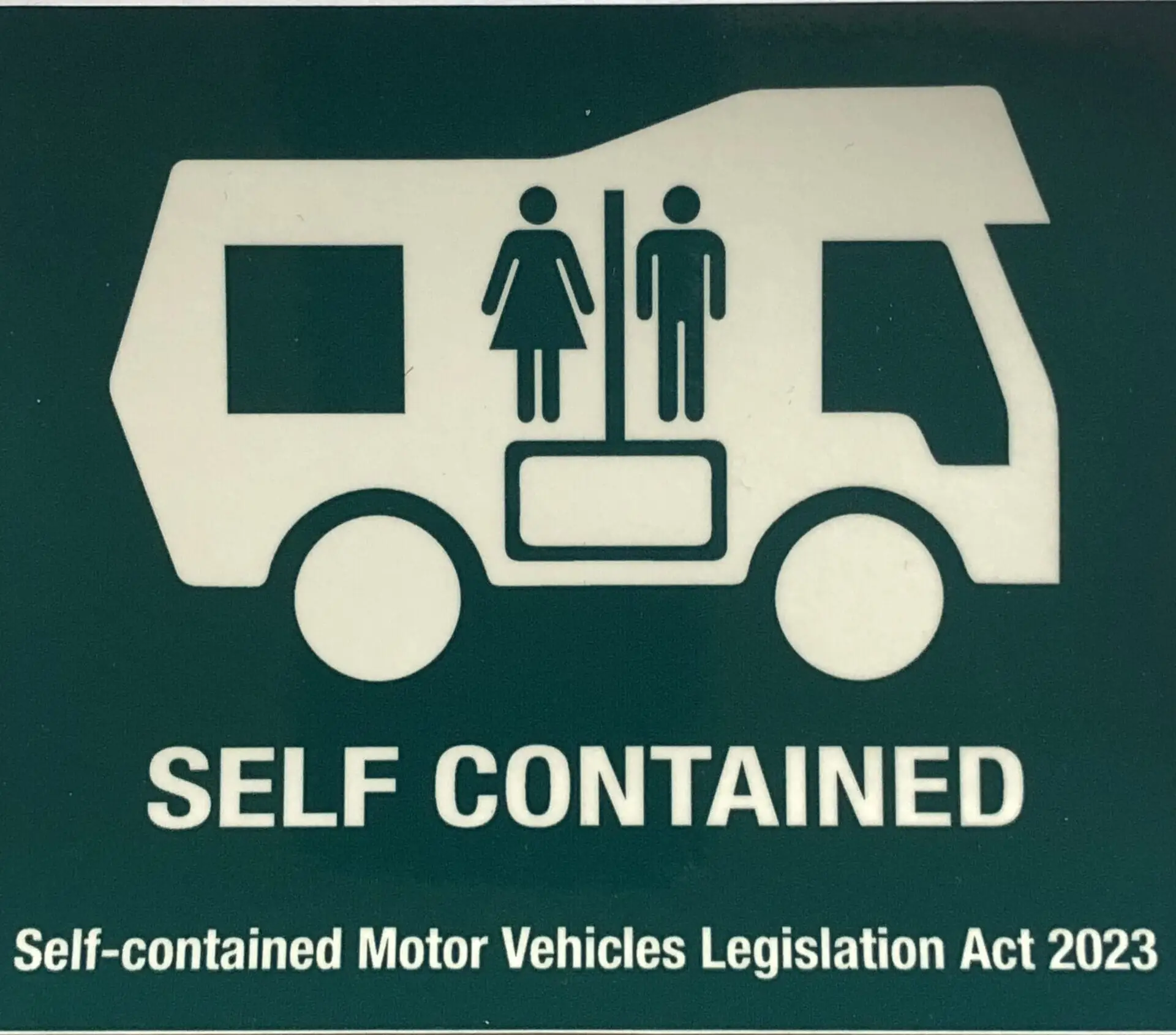
The sticker is only one part of the picture. In New Zealand, what really matters is whether the campervan meets current self-containment rules, how it is certified, and whether your overnight spot accepts that type of vehicle. To be certified as self-contained, a campervan must have approved water and waste storage, a fixed sink, a fixed toilet, and meet current New Zealand standards. An authorised person then inspects the van. If it passes, it receives a warrant and a certification sticker to display. If you are comparing rental vans, always ask to see the current certification document and check that the sticker is up to date. It is one of the most useful things to confirm before you book.
What green sticker campervan rentals in NZ usually mean
When people talk about a green sticker on a campervan in New Zealand, they usually mean self-containment certification under the newer system. Put simply, the sticker shows that the vehicle has been certified as self-contained. It can support basic onboard living needs for a set period.
That matters because many freedom camping areas only allow certified self-contained vehicles. If your van is not certified, your overnight options can shrink fast, especially in popular regions during peak travel periods.
But there is one important detail to remember. A sticker is not a pass to park anywhere. Local council rules still apply, and each area sets its own conditions. Some places allow only certified self-contained vehicles. Some have designated spaces. Others do not allow overnight stays at all. The best way to check current rules is to visit the relevant council websites or use official council apps. These show current freedom camping locations and restrictions. Taking a few minutes to check before you travel helps you plan with confidence and avoid unexpected fines. The real value of a properly certified campervan is flexibility, not unlimited access.
Why the sticker matters less than the actual setup
A smart traveller looks beyond the colour of the label. The better question is whether the campervan is truly set up for independent travel.
A properly set-up self-contained van should have practical essentials built in. That usually means freshwater storage, wastewater storage, a sink, a toilet, and enough onboard systems to let you travel comfortably without relying on campsite facilities every night. If those features feel like an afterthought, your road trip can become harder than expected.
This is where smaller campervans can work better than many first-time renters expect. A well-designed two-person van can meet self-containment requirements while being easier to drive and park. It is also usually more fuel-efficient than a larger motorhome. For couples and solo travellers, that balance often makes more sense than paying extra for space they do not need.
What to check before booking a green sticker campervan rental in NZ
If you are comparing options, ask how the van is certified and whether that certification is current. It sounds obvious, but it is worth checking directly. Rules have changed over time, and not every older vehicle marketed for freedom camping will match what travellers now expect.
Next, look at the layout. Where is the toilet stored, and is it realistic to use? How easy is it to access the sink and water system? Is there enough storage for food, luggage, and bedding without turning the living area into a mess every day? A campervan can meet compliance requirements on paper and still feel awkward to live in.
Also check power and maintenance
Power matters too. If you want to spend time away from powered sites, solar charging and a dual battery system can make a real difference. Heating also matters, especially if you are travelling in the South Island during the shoulder seasons or winter. Freedom camping sounds romantic at first. But that feeling can fade fast if you are cold, damp, and trying to charge your phone from a weak battery.
You should also ask about age, maintenance, and handover support. A clean, well-maintained van with a proper walkthrough at pickup is often worth more than a newer-looking vehicle with little guidance. A good handover should show you how to use the water supply, toilet, heating, and power setup. It should also cover safety basics, including gas or electrical appliances, essential equipment, emergency contacts, and what to do if something goes wrong. When you land in a new country and drive on unfamiliar roads, clear hands-on advice at the start can save stress and help you feel confident in your campervan.
Green sticker campervan rentals in NZ and freedom camping rules
This is where many travellers get caught out. Certified self-containment gives you more options, but it does not replace local research.
Freedom camping in New Zealand is controlled by national legislation and local council bylaws. One town may welcome certified vehicles in specific bays, while another may ban overnight parking on most public land. Signs on site matter. Council apps and local information matter. Common sense matters too.
It also depends on the kind of trip you want. If you are planning a fast-paced route between holiday parks, the self-containment label may not affect your trip much. But if you want a flexible itinerary with scenic overnight stops, it becomes much more important. Travellers who like to change plans as they go usually get the most value from a fully equipped self-contained van.
The trade-off between budget and genuine flexibility
Budget matters to almost everyone hiring a campervan. It can be tempting to book the cheapest option that looks close enough. Sometimes that works. Other times, you pay later through higher campsite fees, route limits, or daily inconvenience.
A cheaper van without the right onboard features may push you to stay in paid accommodation more often. It can also mean less privacy, fewer spontaneous stops, and more time spent sorting out basics like charging devices, finding toilets, or washing up. Those costs are not always obvious on the booking page.
At the same time, the biggest or most luxurious vehicle is not always better. Large motorhomes can be great for some trips, but they are not ideal for everyone. They cost more, use more fuel, and can feel cumbersome on narrow roads or in town centres. Many travellers are happier in a compact van because it is easier to live with every day.
That is why the sweet spot for many couples and independent travellers is a smaller self-contained campervan with a practical interior, reliable systems, and clear pricing. You get capability without unnecessary bulk.
How to tell if a rental company understands real road travel
Photos and feature lists only tell part of the story. A better sign is whether the company explains clearly how the van works in real travel conditions.
Do they explain the sleeping setup, heating, fridge space, and power use in a practical way? Do they understand airport arrivals, road conditions, luggage storage, and the difference between a van that looks good online and one that works well for two weeks on the road? That level of detail usually comes from experience, not marketing spin.
A family-run operator with years of hands-on rental experience often brings something large fleet brands cannot: direct advice, realistic answers, and personal support. For many visitors, especially those new to New Zealand, that reassurance is a big part of the value. It is one reason travellers often prefer specialists such as BANZ Travelcars when they want an affordable self-drive setup with real freedom camping capability.
When a green sticker campervan is the right choice
If your ideal trip includes lakes, coastlines, mountain towns, and the freedom to adjust your route as you go, a certified self-contained van is usually the right choice. It gives you more legal overnight options and supports a more independent travel style.
That is especially useful for longer trips, shoulder-season travel, and travellers who do not want to lock every night into a fixed booking plan. It also suits people who value privacy and simplicity. Having your bed, kitchen basics, and living space with you changes the rhythm of a road trip for the better.
If you know you will mostly stay at commercial campgrounds and want extra interior space above all else, certification may be less important than layout and comfort. That is the nuance worth remembering. The best van is not the one with the loudest feature list. It is the one that fits the way you actually travel.
Before you book, look past the sticker and picture your day-to-day life on the road. Where will you sleep? How will you cook? What happens when the weather turns? Will the van make those things easier or harder? Get that part right, and New Zealand opens up in the way people hope it will.