A camper that seems comfortable for a few nights can feel very different after three or more weeks. The real challenge in choosing a long-stay camper is not just picking one that looks good in photos, but finding a vehicle you will still enjoy living in after rainy days, laundry runs, supermarket stops, and long drives.For most
travellers in New Zealand, the best option is not the biggest van or the lowest daily rate. It is the camper that matches how you really travel. If you want flexibility, reasonable costs, and the freedom to visit smaller places without struggling to park a large motorhome or navigate winding coastal roads, the details matter more than the brochure highlights.
How to choose long stay camper hire for real travel
Begin by thinking about how long your trip will be, your travel style, and how many people will be joining you.
A long-stay camper needs to work both as transport and as a comfortable place to live. This balance is especially important in New Zealand, where one trip can include city driving, mountain roads, remote campsites, and a week of changing weather.
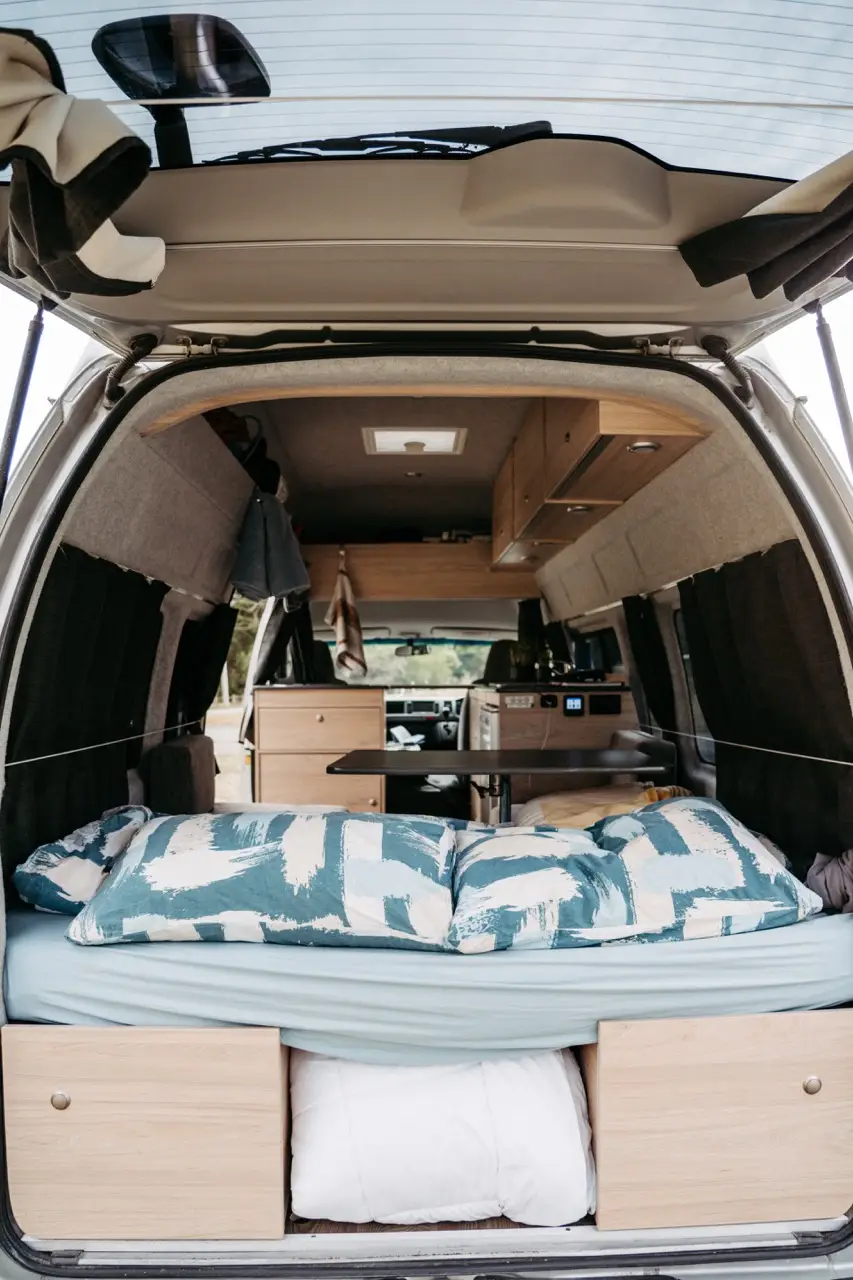
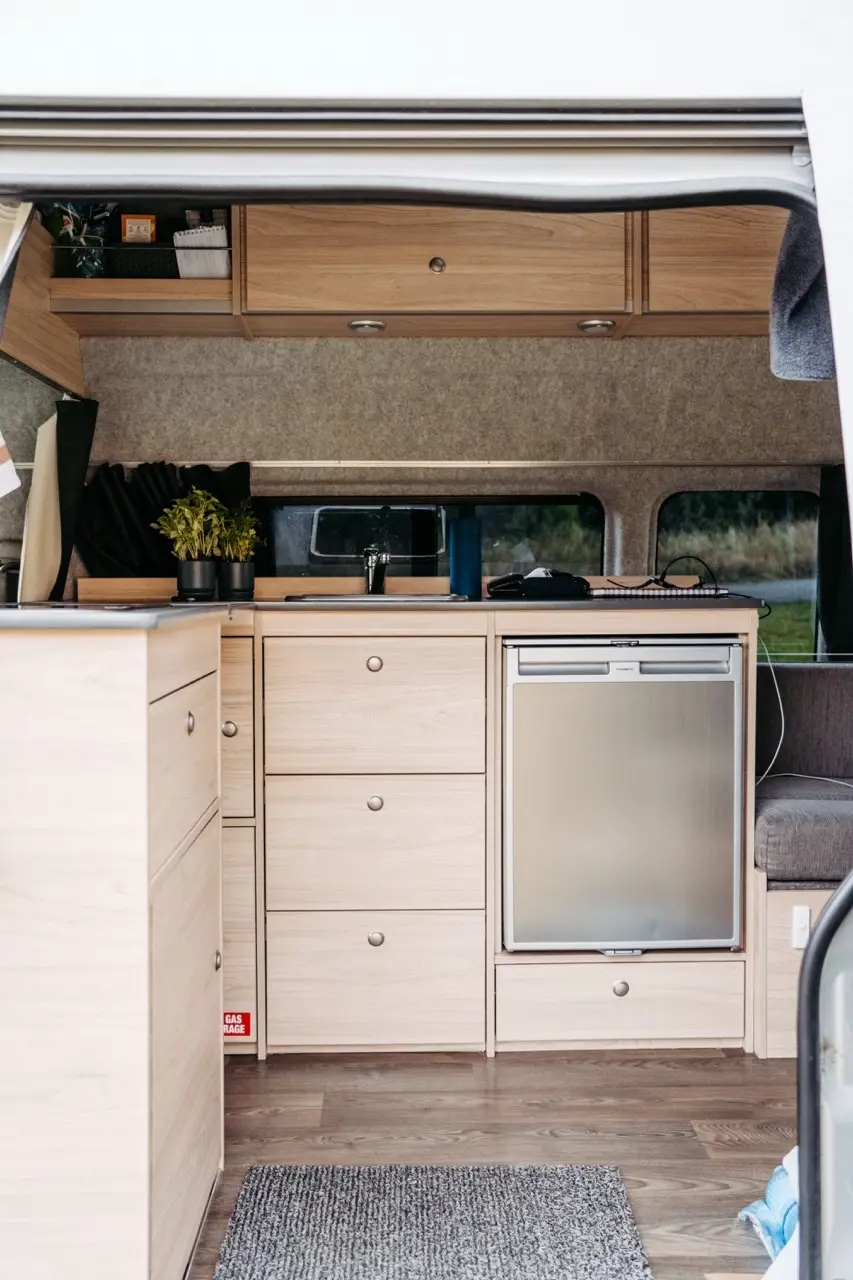
If you are travelling alone or as a couple, a compact camper often makes more sense than a big motorhome. It is easier to drive and park, and it usually uses less fuel. Over several weeks, that convenience really adds up. You spend less time managing the vehicle and more time enjoying your trip.But compact does not have to mean cramped. The right small camper gives you enough space to cook, sleep, store your gear, and move around without having to rearrange everything at every stop. Walkthrough interiors, smart layouts, and good storage make a bigger difference on a long trip than just having a longer vehicle.
Think beyond the nightly rate
A low advertised price can be misleading if the camper lacks the features you need for a long trip. Real value comes from looking at the whole package: fuel economy, included equipment, power setup, heating, insurance terms, and whether you will have to pay extra for basic items.For example, a cheaper van without solar, a good fridge, or enough battery power might mean you have to stay in paid holiday parks more often than you expected. That can quickly change your budget. The same is true for hidden extras like bedding, kitchen gear, airport transfers, or extra driver fees.Clear pricing is even more important for long bookings because small daily extras can add up to a significant amount over several weeks. Before you compare prices, check what is included and what you would need to arrange yourself.
Size matters, but not always in the way people think
Many first-time renters think that bigger is always better for a long trip. Sometimes that is true. If you need a fixed toilet and shower, or you are traveling with more than two people, you might need more space. But for many independent travelers, a well-designed two-person camper is just right.A smaller camper is usually less stressful to drive on unfamiliar roads. This is important in New Zealand, where the weather can change quickly and some of the best spots are reached by roads that require confident driving. It is also easier to go into town for groceries, find parking near beaches or trailheads, and keep your trip flexible.The real question is not,
“What is the biggest van I can afford?” It is, “What size will let me travel comfortably without making every driving day harder than it needs to be?”
The layout often matters more than the footprint
When you compare vans, pay close attention to how the living area works. Can you move from the front seats to the back without going outside? Is the bed easy to set up? Can one person make a cup of tea while the other sorts clothes or checks the map? Is there space for luggage without having to pile everything on the bed during the day?These are not minor details on a long trip. They shape your daily routine. A practical layout saves time, reduces frustration, and makes bad-weather days much easier.
Choose a camper built for independence
One of the best things about
camper travel in New Zealand is the flexibility it gives you. You can change your plans, stay longer in places you enjoy, and avoid rushing from one booking to another. But this flexibility depends on having a van that is properly set up for independent travel.A long-stay camper should ideally have solar panels, a dual-battery system, a reliable fridge, and enough power for lights, charging devices, and daily living. Heating is also important, especially outside the peak summer months. Even travelers expecting mild weather are often surprised by cold nights in parts of the South Island and inland areas.
Self-containment rules and camping regulations can also affect where you can stay, so it is important to know what your vehicle is certified for and how it aligns with your plans. The goal is not to get every possible feature, but to make sure the van supports the kind of trip you want.Comfort is practical, not luxurious
On a short trip, you can deal with a few inconveniences. On a month-long road trip, comfort is part of good planning. A decent mattress, comfortable seating, good ventilation, and practical kitchen storage are not luxury extras. They are what make long travel enjoyable instead of exhausting.The same goes for cleanliness and maintenance. A long hire puts more strain on every part of the vehicle, from the fridge to the power supply to the door latches. Renting from an experienced company with a good reputation for maintenance can save you a lot of trouble. Personal handovers and clear instructions are especially helpful if this is your first camper trip in New Zealand.That is one reason many travellers prefer an owner-run company over a large rental fleet. You are more likely to get a proper walkthrough, clear answers, and support from people who know the vehicles well.
Ask the questions that reveal the true fit
When choosing between options, ask practical questions rather than general ones. “Is it comfortable?” is too broad to be helpful. Better questions include: How much storage is available for two people travelling for 4 weeks? How long does the house battery last? Is the fridge compressor-powered? How does the heating work? What happens if I have a problem on the road?It also helps to ask how the van handles everyday situations. Is it easy to drive in towns? Can it handle long distances comfortably? Does the bed need to be made up every night, or can it stay ready? Is the table quick and stable to set up, or is it fiddly and annoying? You want to picture daily life, not just compare features.
Support matters more on a long booking
Even with a well-maintained camper, problems can come up during a long trip. Knowing you can call someone and get real help is important, especially if you have come from overseas and are still getting used to the vehicle.
This is where good service really matters. Pickup support, a thorough handover, and quick communication are not just nice extras. They reduce stress and help you settle into your trip faster. For travellers arriving in Auckland or Christchurch after a long flight, that reassurance makes a big difference.Match the camper to New Zealand, not just to your wishlist
New Zealand rewards travellers who stay flexible. Roads can be narrow, the weather can change quickly, and some of the best stops are the ones you did not plan ahead. A camper for a long stay should support this way of travelling.That usually means picking something easy to drive, affordable to run, and set up for a few nights of self-sufficient travel when needed. You might give up the idea of a big onboard bathroom for better fuel economy and easier driving. Or you might pay a bit more for a newer, better-equipped van because it will make a six-week trip much easier.There is no one perfect answer. The right camper depends on whether you value space, mobility, off-grid ability, budget, or simplicity most. But if you focus on layout, real comfort, clear costs, and reliable support, you will make a much better choice than if you pick based on looks alone.A long road trip should feel freeing, not complicated. Choose the camper that fits your travel style, and the vehicle becomes part of the adventure rather than something you have to manage every day.