Imagine parking by a lake, cooking dinner in your van, and spending the night without needing to stay in a holiday park. In New Zealand, whether you can do this often depends on one key question: what is a self-contained campervan?
A self-contained campervan is set up so you can handle daily needs like sleeping, cooking, and cleaning without using public toilets or campground kitchens. It lets you manage wastewater responsibly while you travel. This is important if you want more freedom on the road, especially for freedom camping.
What is a self-contained campervan in New Zealand?
A self-contained campervan is more than just a van with a bed. It must be set up for independent use and meet New Zealand’s self-containment rules. This usually means it has fixed or properly installed fresh water, wastewater storage, and a toilet, with enough capacity for everyone travelling in the van.
This is where many travellers get confused. A standard campervan might seem fully equipped with cooking gear, a fridge, storage, and a comfortable bed. But if it doesn’t meet the self-containment standard, it may not count as self-contained, which can limit where you’re allowed to stay.
Requirements can change as rules are updated, so it’s always smart to check the latest information before you travel. The main idea stays the same: a self-contained campervan lets you travel responsibly without leaving a mess or relying on local facilities.
Why self-containment matters
For most travellers, the main reason is freedom. A self-contained van gives you more options for overnight stops, especially in places where only certified vehicles are allowed to freedom camp. It also makes your trip feel more relaxed since you’re not as tied to campground bookings or shared facilities.
There’s also a practical side. New Zealand has beautiful remote spots, but not all of them have toilets or kitchens nearby. With a well-equipped van, you can stop where it suits your route and comfort, instead of always looking for the next powered site.
Still, having a self-contained van doesn’t mean you can park anywhere. Local council rules apply, and restrictions vary by region. Some places only allow freedom camping in certain areas, while others don’t allow it at all. A self-contained campervan gives you more options, but you still need to camp legally and respectfully.
What features does a self-contained campervan usually have?
Self-containment means you can live in your van for a short time without outside help. This usually includes fresh water, a sink, wastewater storage, and a toilet. Many vans also have a fridge, cooking gear, storage, and a second battery or solar panels, but these extras aren’t required for certification.
A good self-contained campervan should make daily routines simple. Fresh water should be readily accessible. Wastewater should go into a tank, not onto the ground. The toilet should be easy to use, not hidden under bags or forgotten. These basics matter more than fancy extras when you’re on the road for days or weeks.
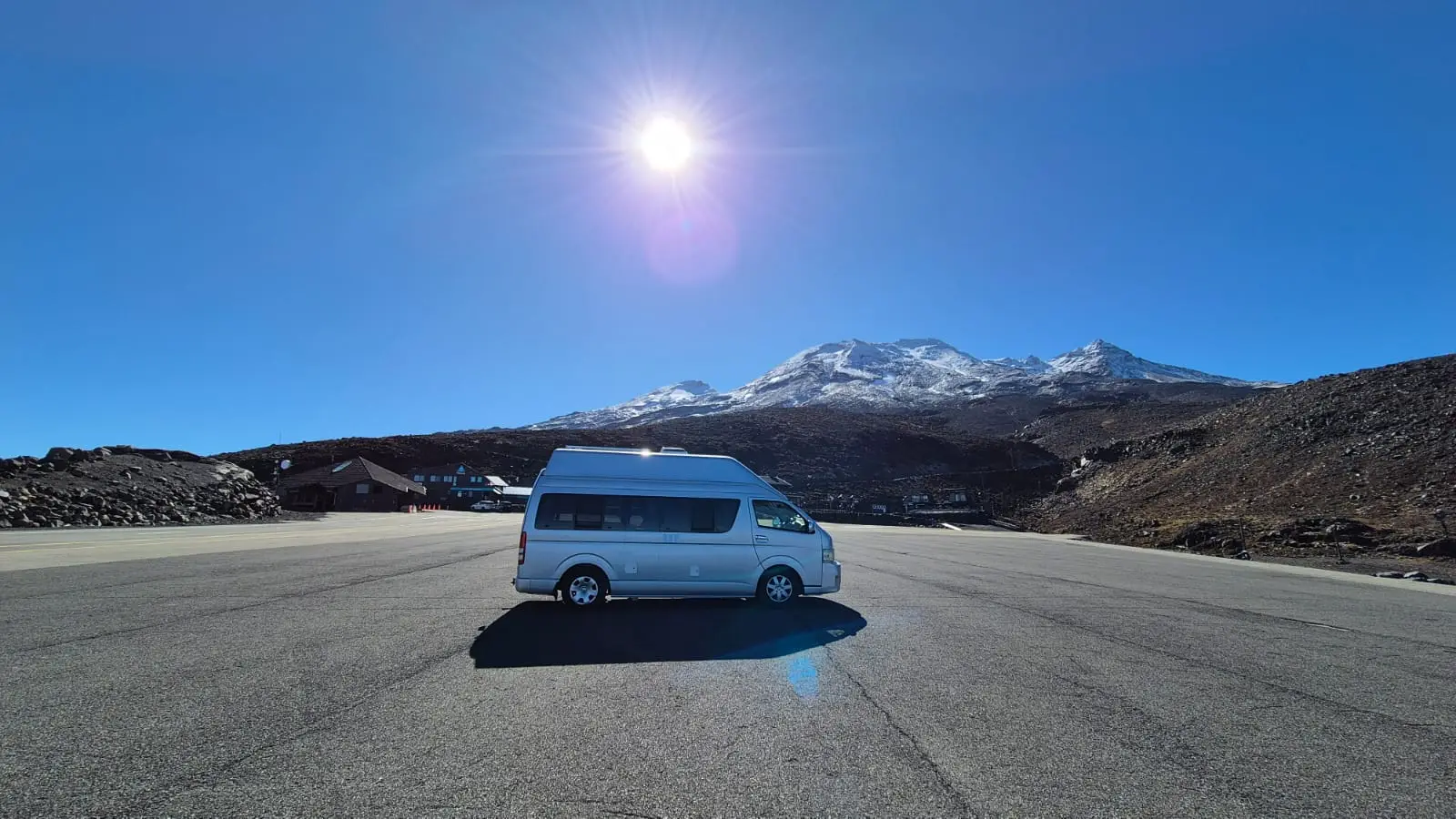
Layout is important too. In smaller two-person campervans, space needs to be used well. A good design means the bed is easy to set up, storage makes sense, and you can move around without having to climb over things. That’s why smaller Hiace-style campervans are popular: they balance easy driving with practical living better than many first-time travellers expect.
Self-contained campervan vs standard campervan
This difference matters. A standard campervan can be great for road trips if you mostly stay in campgrounds or holiday parks. It still gives you a bed, fridge, cooker, heating, and good storage. For some travellers, that’s all they need.
A self-contained campervan gives you more independence. It’s set up for responsible off-grid overnight stays where allowed. If you like flexibility, last-minute changes, or longer drives between towns, self-containment can really help.
The trade-off is that certified self-contained vans often have more built-in equipment, which can affect space, layout, and price. For some travellers, the extra freedom is worth it. For others, especially on short trips with regular campground stops, it might not be needed. It all depends on your travel style.
How does certification work?
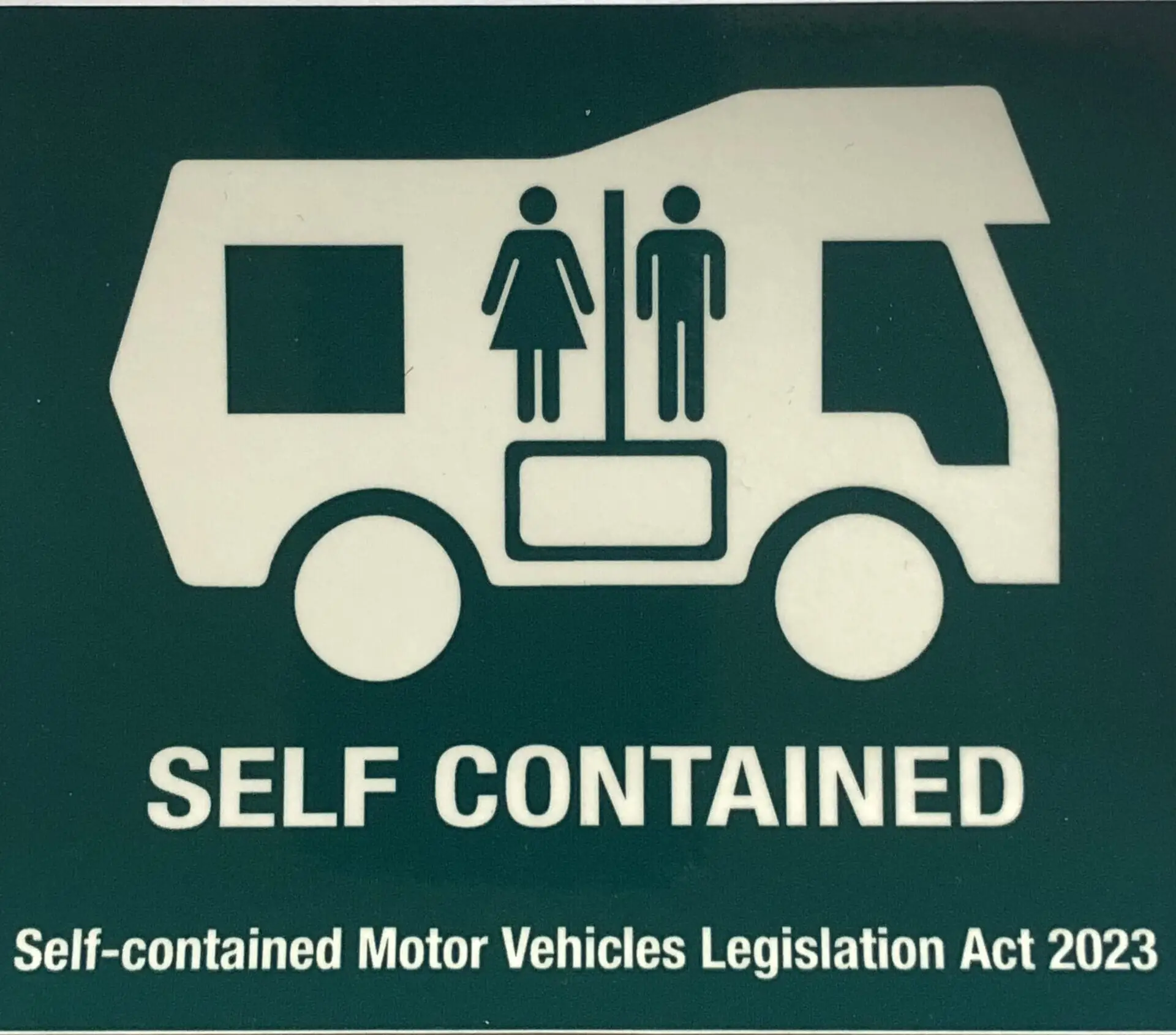
When people ask what a self-contained campervan is, they often mean, how do I know if a van is officially self-contained? The answer is certification. In New Zealand, a vehicle must meet current self-containment rules and hold the appropriate certification to be recognised as self-contained.
Don’t just assume a van is certified. If you’re renting a campervan, ask directly if it’s certified self-contained under the current rules. Don’t rely on phrases like suitable for freedom camping or fully equipped for off-grid travel. These sound good, but they aren’t the same as certification.
It’s also smart to ask what the van’s systems include. How much fresh water does it carry? How is wastewater stored? What kind of toilet is there? Is the layout practical for everyone travelling? A good rental company should be clear about these details.
Is a self-contained campervan worth it?
For many visitors, the answer is yes. If you want to travel at your own pace, avoid overplanning, and have more choices for overnight stops, a self-contained van can be great value. It makes your trip more flexible and can mean you don’t need paid accommodation every night.
But it’s not the best choice for everyone. If you like staying at campgrounds with showers, shared kitchens, and powered sites, you might not use the self-containment features much. Also, if you’re only travelling for a few days on busy tourist routes, you may not need the extra features.
The best fit is often travellers who want comfort and independence without having to rent a big motorhome. A smaller self-contained campervan is easier to drive and park, uses less petrol, and is still good for longer trips. For couples and solo travellers, this balance can make the whole trip simpler.
What to check before you book
If self-containment is important to you, ask practical questions before you book. Check if the campervan is certified self-contained. Ask how the toilet is stored and used, if wastewater is collected onboard, and how easy the van is to live in every day. A van can meet the rules but still feel awkward if the layout isn’t well designed.
Think about the roads and towns you’ll visit. New Zealand road trips often mean winding roads, tight parking, and lots of stops for groceries, walks, and views. Bigger isn’t always better. Many travellers find a compact self-contained campervan gives them freedom without the stress of driving a large vehicle.
If you’re flying into Auckland or Christchurch and starting your road trip right away, pick a rental company that offers clear instructions and real support. A good walkthrough at the start can save you confusion later, especially with water systems, power, and the toilet.
The real meaning of self-containment
At its best, self-containment isn’t just about a sticker or certificate. It’s about travelling with more independence while respecting the places you visit. New Zealand rewards this kind of travel. You can wake up by the beach, stop for a bushwalk, or take the scenic route without being tied to a strict plan.
A self-contained campervan lets you do all this more comfortably and responsibly. When the van is well-designed, easy to drive, and supported by people who understand road travel, it can turn a good trip into an easier one.
If you plan to spend real time on the road, pick a van that fits your travel style, not just one that looks good in photos. That choice can shape your whole trip.